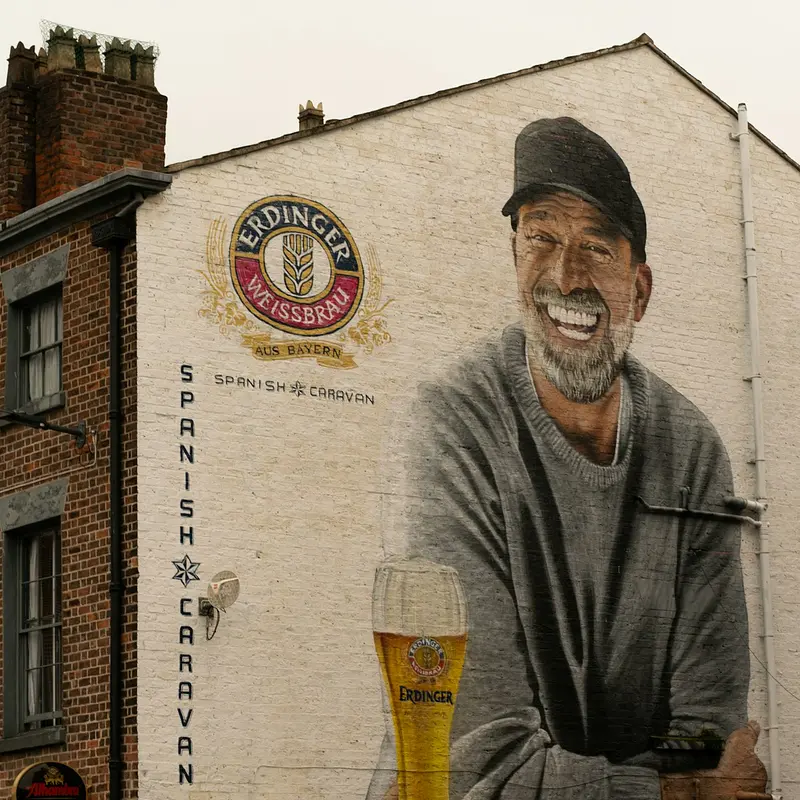
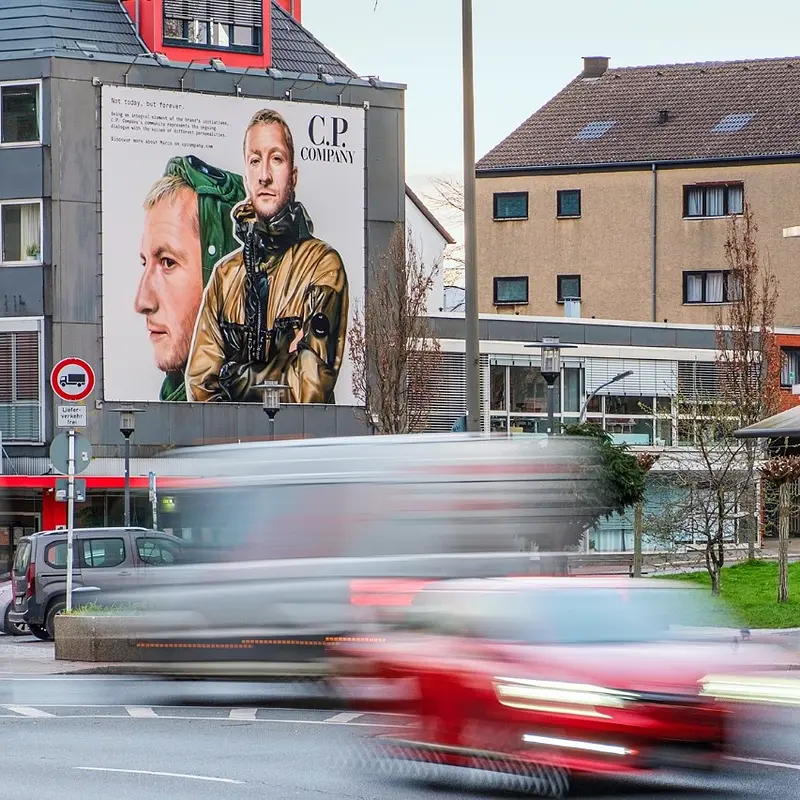
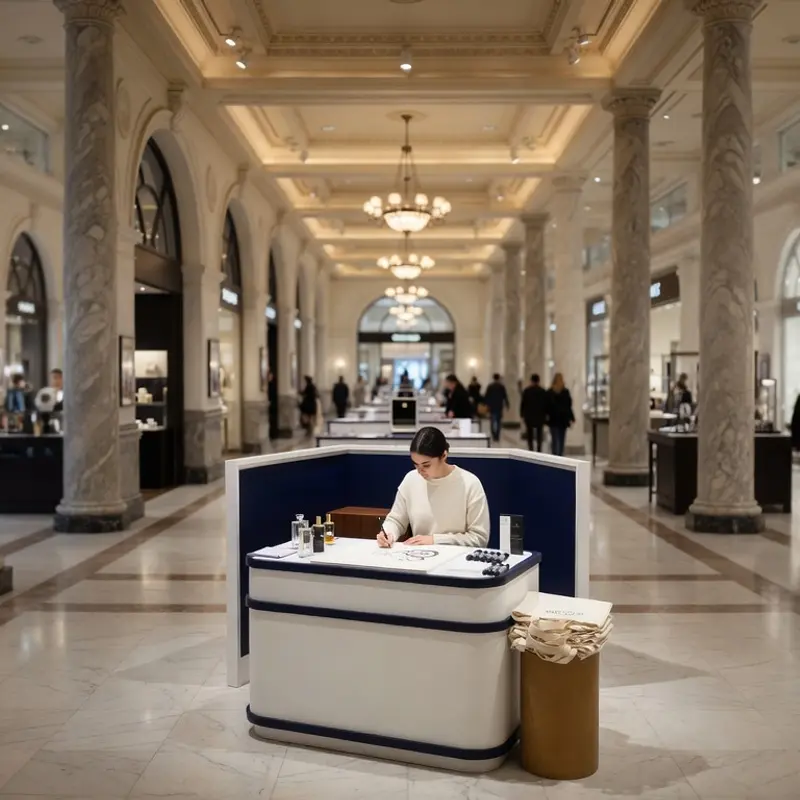
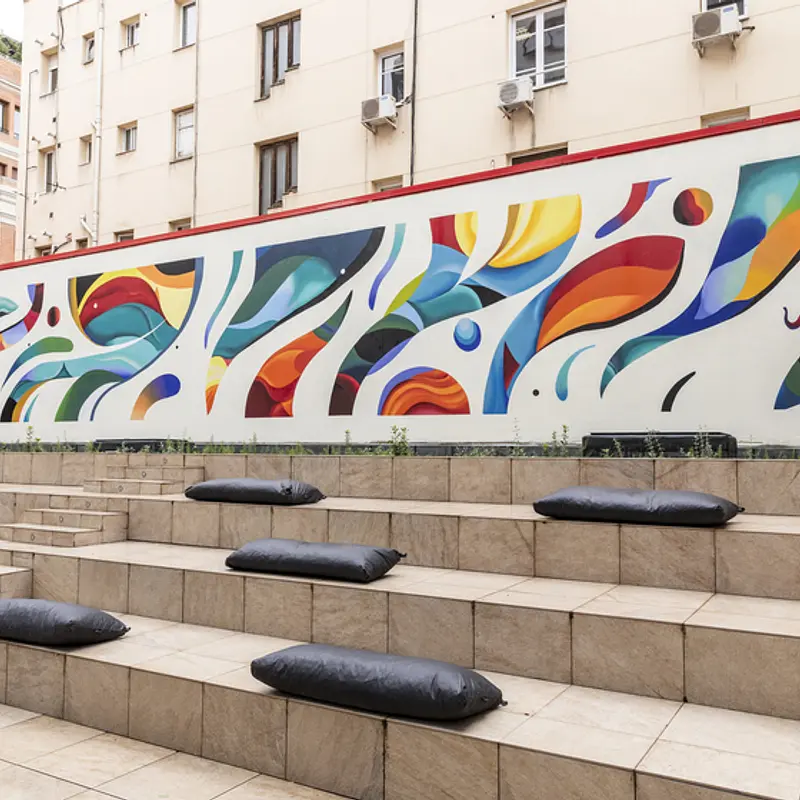
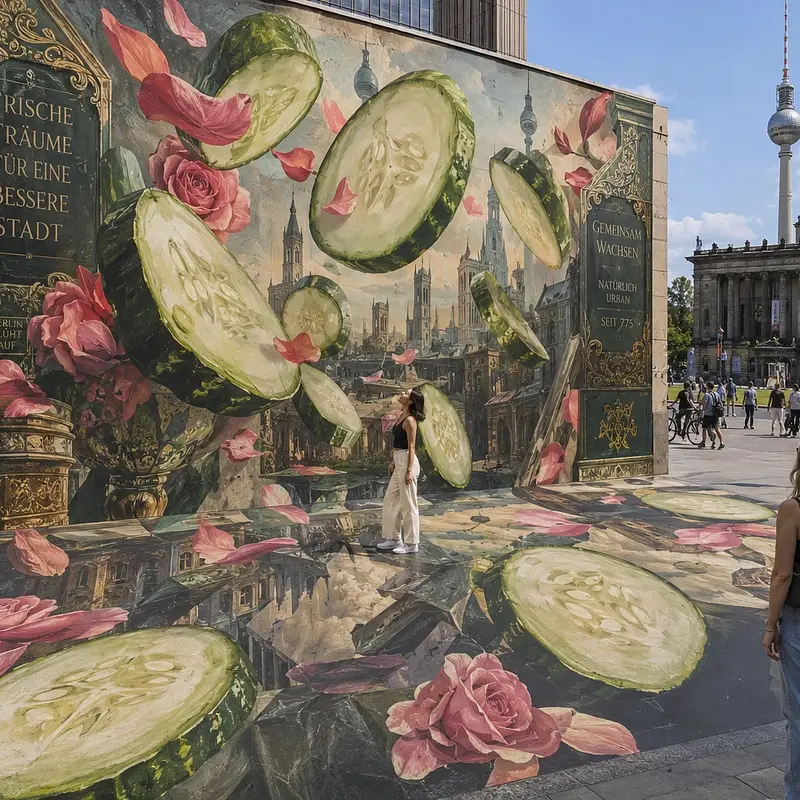
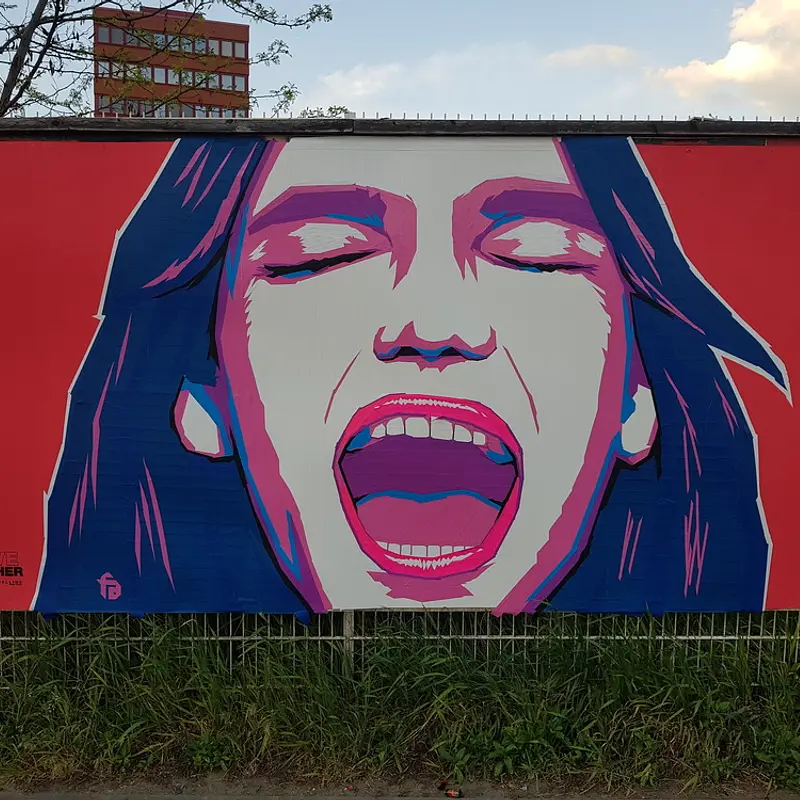
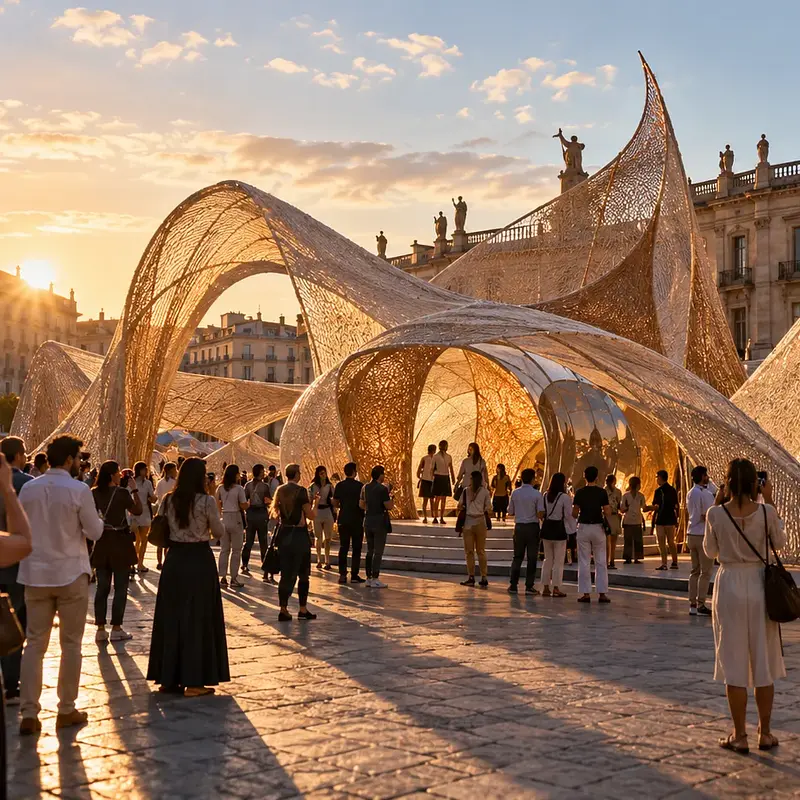
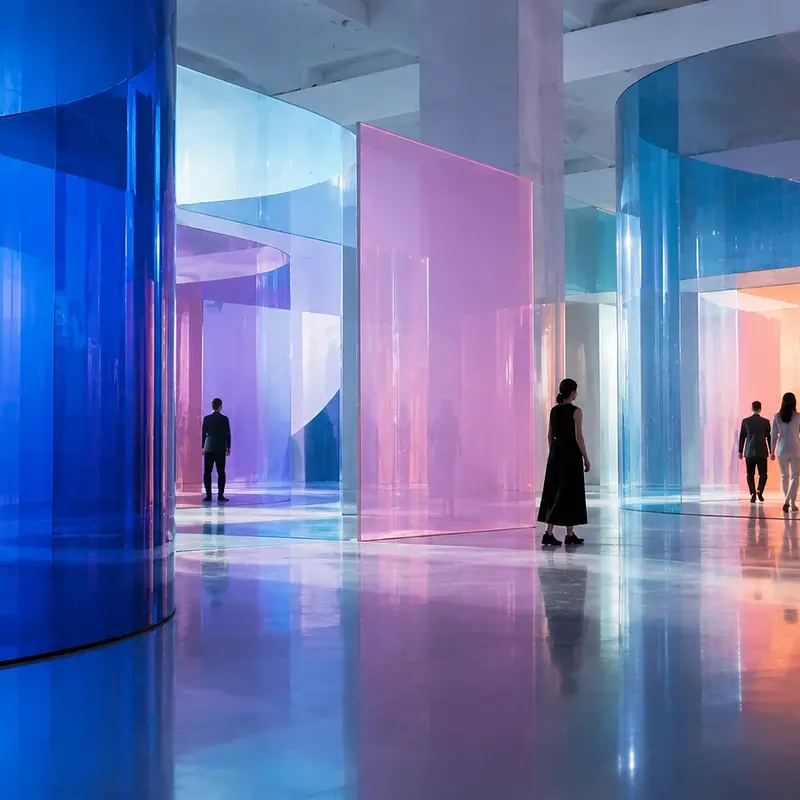
Branded art installations are one of the most powerful touchpoints a brand can invest in — building cultural authority that paid media cannot replicate.
There is a category of brand investment that doesn't behave like advertising. It doesn't interrupt. It doesn't ask for attention. People walk toward it, photograph it, share it, and return to it — sometimes for years after the brief has closed and the agency has moved on to the next campaign.
Branded art installations operate on different terms than most marketing. And for the brands that understand this, they represent one of the most strategically powerful touchpoints available today.
This is not about decoration. It's not about commissioning something beautiful to hang near the entrance of a flagship store. At their most effective, branded art installations are cultural statements — three-dimensional expressions of what a company actually believes, made physical and placed in the world where audiences can experience them on their own terms.
The question worth asking isn't should we do an installation? It's do we have something worth saying, and are we willing to say it at scale?
A branded art installation in public space earns its presence by becoming part of the environment — not imposing on it.
Why Branded Art Installations Work Differently Than Other Touchpoints
Most brand touchpoints are interruptive by design. A billboard competes for a glance. A digital ad fights for half a second of attention before the scroll. Even the most sophisticated experiential marketing often follows a familiar logic: attract a crowd, create a moment, generate content, move on.
Branded art installations invert this dynamic entirely.
When a brand commits to a large-scale, site-specific installation — designed with genuine artistic intent and placed in a space where it earns its presence — audiences choose to engage. The interaction is voluntary, extended, and often repeated. People don't just see the work; they move through it, spend time inside it, bring others back to experience it.
This distinction matters commercially. Voluntary attention is qualitatively different from captured attention. It signals something about how an audience feels toward a brand — not what they were shown, but what they sought out.
For CMOs managing brand equity over time, this is significant. Brand installation design, done at the level where the work genuinely stands on its own as art, creates associations that paid media cannot manufacture: cultural credibility, creative ambition, a willingness to invest in experiences that don't carry a direct conversion metric. Paradoxically, that restraint is precisely what makes the commercial case.
The Strategic Logic Behind a Public Art Brand Campaign
A public art brand campaign is a different kind of investment than a typical activation. The timeline is longer, the cultural stakes are higher, and the returns compound in ways that are harder to attribute but easier to feel over years of brand tracking.
Consider what a well-executed branded installation actually delivers:
Earned media that traditional advertising cannot buy. When an installation is genuinely compelling — visually, conceptually, or because of its location — it generates press coverage, social sharing, and word-of-mouth that operate outside the paid media ecosystem. The work does the distribution. When Louis Vuitton launched its 2023 collaboration with Yayoi Kusama, the installation component — life-size animatronic figures of Kusama painting polka dots in store windows in New York, London, and Tokyo, and a monumental sculpture peering over the Champs-Élysées flagship in Paris — generated simultaneous coverage in The Art Newspaper, Dezeen, Hypebeast, and hundreds of outlets that would never run a conventional luxury advertising story. No media budget drove that coverage. The installations were the story.
Cultural permission in new markets or demographics. Brands entering new geographies or attempting to shift positioning with a specific audience often find that a public art commission creates an opening that years of conventional advertising hasn't. It demonstrates a willingness to participate in local culture rather than simply extract value from it.
Long-term spatial presence. Unlike a campaign, a permanent or long-running installation keeps working after the launch moment. It becomes part of a neighborhood, a landmark that anchors brand associations in physical space. People who encounter it six months or two years after installation have no awareness of the campaign brief — they simply experience the work.
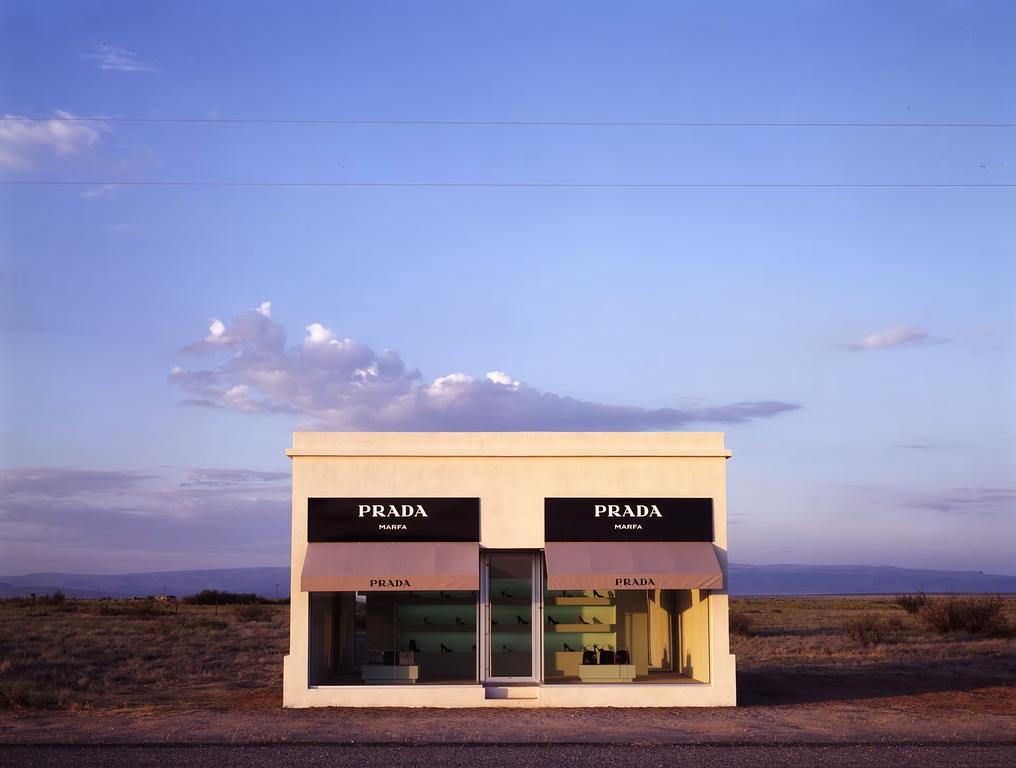
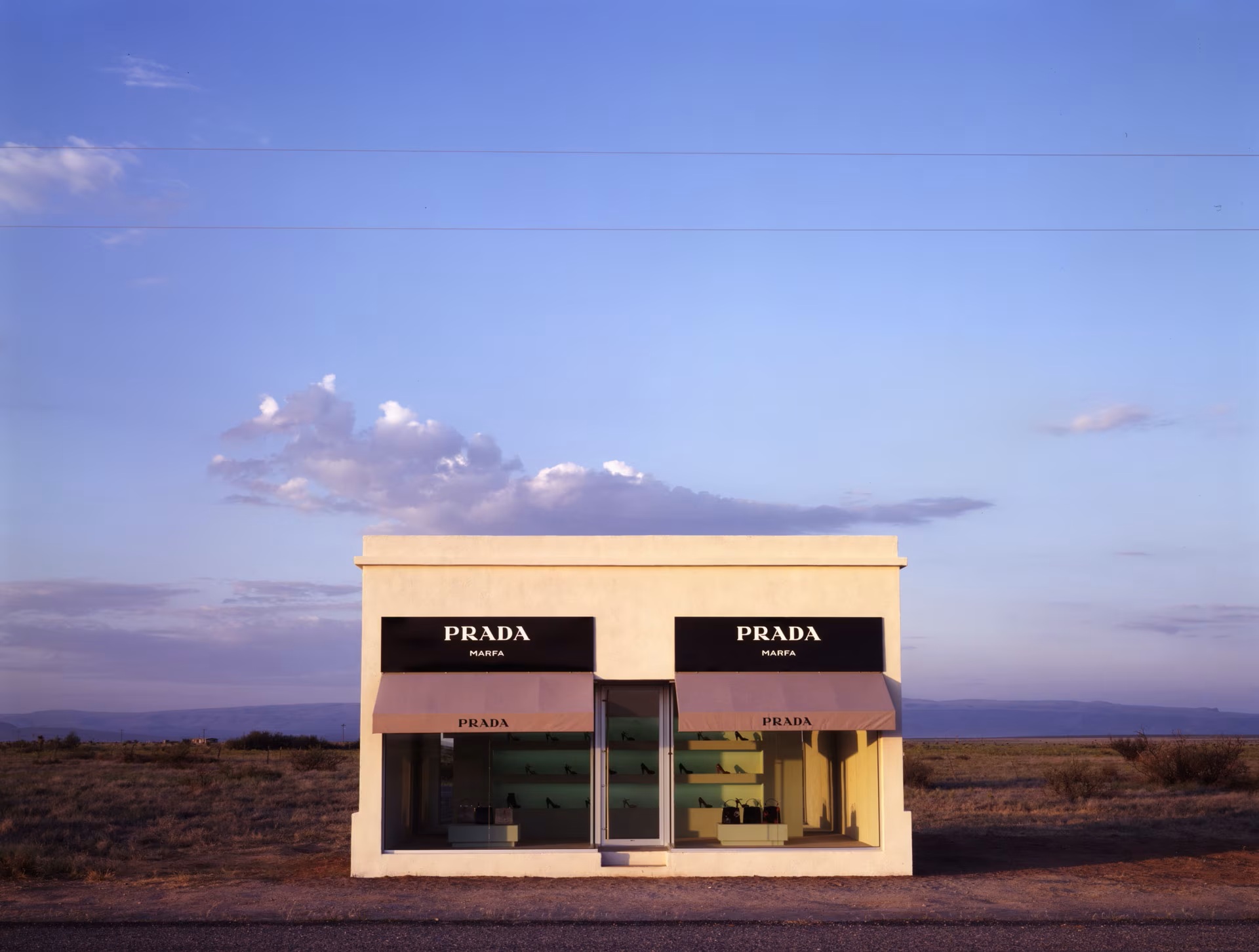
Prada Marfa, the permanent sculptural installation by Elmgreen & Dragset placed in the West Texas desert in 2005 — two decades on, it remains one of the most visited and photographed brand-adjacent landmarks in the world.
The clearest example in recent brand history is Prada Marfa — a permanent sculptural installation placed in the West Texas desert in 2005 by artists Elmgreen & Dragset, with Miuccia Prada's blessing but without a formal brand commission. Two decades later it still generates press coverage, drives tourism to the surrounding region, and has appeared in Beyoncé's Instagram feed, The Simpsons, and six seasons of Gossip Girl. No campaign budget sustains it. The work sustains itself — which is precisely what happens when immersive brand environments become the message rather than the medium.
Internal alignment. This is underestimated. A brand that commissions serious art is making a statement internally as much as externally. It signals to employees, partners, and stakeholders what kind of company this is — and what it aspires to.
None of this is automatic. The strategic logic holds only when the installation is built from genuine creative ambition, not reverse-engineered from a social media brief. The difference between a branded art installation that becomes a cultural moment and one that becomes an awkward presence in a public square is almost entirely a function of intent — and the process that intent drives.
Art as Brand Touchpoint: Where Installations Fit in the Broader Strategy
For brands working across multiple touchpoints — retail environments, brand activations, OOH, product launches — branded art installations occupy a specific position in the hierarchy.
They are not entry-level. The investment required, in budget, time, and creative risk, means they belong later in a brand's cultural journey, when there is already a point of view strong enough to be expressed at this scale. A brand without a coherent cultural positioning will find that an installation amplifies the absence of one rather than filling it — which is why understanding the broader ecosystem of brand touchpoints where cultural depth is built or lost matters before committing to this scale of investment.
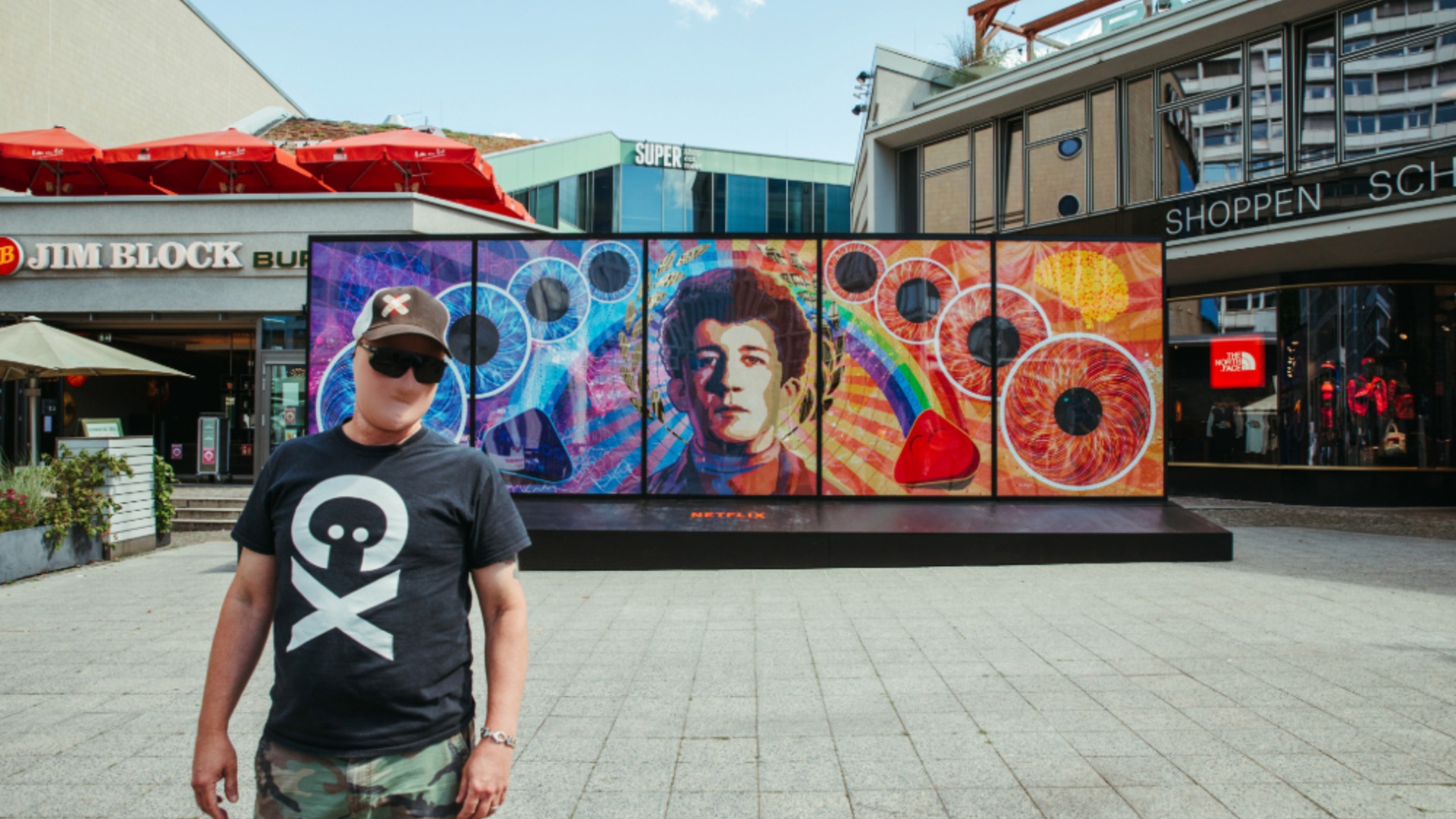
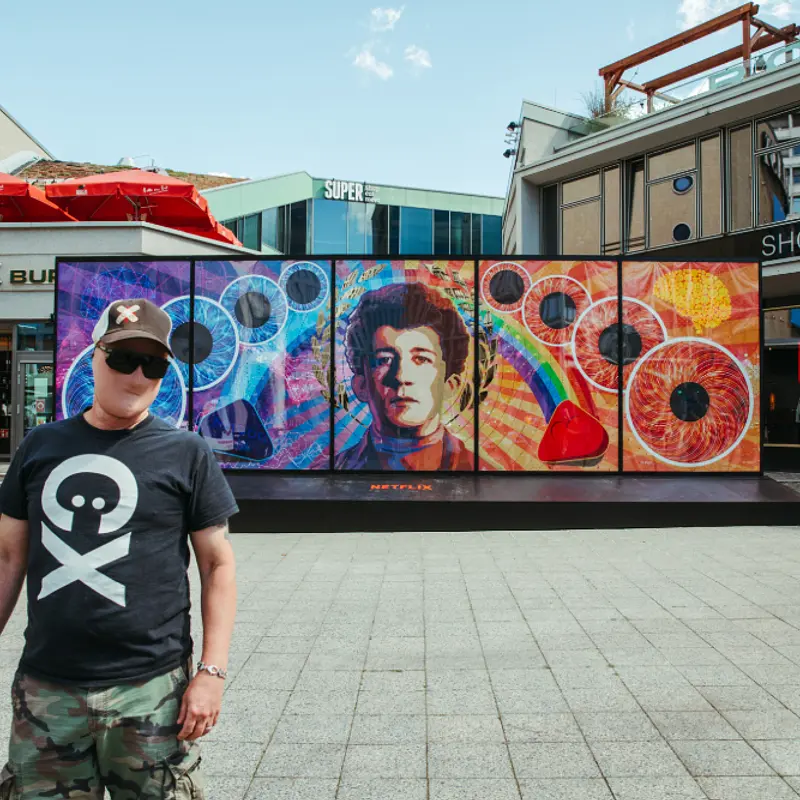
For Netflix's campaign promoting a new season of How to Sell Drugs Online Fast, Basa Studio created a large-scale installation built from fake ecstasy pills — a collaboration with recognized artists, local artisans, and cultural innovators that extended across physical and digital touchpoints.
When the installation is the foundation, branded art installations function as anchor points — the most visible, most permanent expression of a brand's cultural identity. Everything else in the touchpoint ecosystem can be built around them. Retail environments reference the same visual world. Brand activations extend the same ideas at different scales. Content across channels finds a gravitational center. BASA Studio's campaign for Netflix in Germany demonstrated this precisely — a large-scale installation built from fake ecstasy pills, created in collaboration with recognized artists, local artisans, and cultural innovators to promote a new season of How to Sell Drugs Online Fast became the physical centerpiece of a campaign that extended simultaneously across digital and OOH touchpoints. The installation didn't support the campaign. It was the campaign's cultural core.
What Separates Branded Art Installations That Earn Attention from Those That Don't
The branded art installation space has a wide quality range. At one end are genuinely ambitious works — pieces that would hold their own in a gallery context, that challenge the artists involved and say something specific about the world. At the other end are large objects with logos attached.
The difference is usually visible from the outside. Audiences are sophisticated. They can tell when an installation was designed to generate Instagram content versus when it was designed to mean something. The former may produce short-term metrics. The latter builds cultural equity that persists long after the content cycle has moved on.
Several factors consistently separate branded art installations that earn cultural attention:
Authentic creative collaboration. The strongest branded installations begin with artists who have a genuine point of view — not artists selected because their aesthetic is currently trending, but collaborators whose practice has something specific to say in dialogue with the brand's values. This requires a selection process that prioritizes cultural alignment over stylistic familiarity.
Site specificity. Installations that respond to the particular qualities of their location — the history of a neighborhood, the architecture of a space, the community that inhabits it — carry an authority that generic, placeable works don't. Site specificity signals that the brand cared enough to look closely at where it was putting down roots.
A concept that goes beyond the product. The most memorable branded art installations are not about the product. They use the brand as a platform to engage with something larger — a cultural conversation, a social question, an aesthetic position. Nike's installation of Carlos Tevez at the 2010 World Cup wasn't about shoes; it was about football, community, and the particular electricity of that moment in South Africa. The brand earned its place in that story by building the stage rather than demanding to be centered in it.
Nike's 20-meter installation of Carlos Tevez at the 2010 FIFA World Cup in South Africa, built from 5,500 balls — a landmark example of a brand using public installation to embed itself in a cultural moment rather than advertise around it.
Craft and material integrity. There is no shortcut on this. The physical quality of a branded installation is part of its message. Materials that look cheap or construction that doesn't hold its precision communicate something about the brand whether the brand intends it or not. The investment in execution is part of the content.
The Business Case, Stated Plainly
The conversation around ROI for branded art installations is sometimes handled defensively — as if the investment requires apology or elaborate justification. It doesn't.
The business case is straightforward when framed correctly. An installation that runs for 12 months in a high-footfall public location generates sustained brand impressions at a cost-per-contact that compares favorably with many paid media channels. It generates press coverage and organic social content that extends reach beyond the physical footprint. It creates a story that the brand's own communications team can build around for the duration of the installation and beyond.
More importantly, it signals something about brand confidence that is difficult to communicate through conventional means. Brands that commission serious public art are brands that believe in what they stand for enough to make it physical and permanent. That signal reaches not just consumers but retail partners, talent, investors, and the cultural community whose attention shapes long-term brand relevance. For brand teams building the internal case, understanding how brands measure the return on cultural brand building is often where the conversation starts.
The brands that treat branded art installations as a rounding error in the media budget — something to consider after every other channel is fully funded — typically produce work that reflects exactly that level of commitment. The brands that treat them as a strategic investment, planned over 12 to 18 months with the same rigor as any major campaign, tend to produce work that earns its place in the cultural record.
From Touchpoint to Cultural Legacy
The brands that get the most from branded art installations are not the ones with the largest budgets. They are the ones with the clearest point of view — and the discipline to let that point of view be expressed through creative collaboration rather than creative control.
This is the paradox at the center of brand installation design: the more a brand insists on being the subject of the work, the less culturally powerful the work becomes. The brands that step back enough to let an artist say something true — and trust that the association with that truth will build equity over time — are the ones whose installations become landmarks rather than temporary presences. That balance between brand ambition and creative freedom is ultimately what determines whether a cultural collaboration earns lasting equity or simply generates noise.
Related creative stories
Browse through other features, interviews and guides to discover creative brand collaborations, meet innovative artists and creators, find out how new artforms are energizing advertising, & more.
We're excited to hear from you! If you're looking for artistic solutions for your next creative marketing campaign, send us your briefing. We can also help create a killer concept if you're in an early ideation phase. Check out our services for more.
Send your briefing
About you
THANK YOU
Your inquiry has been sent
We have received your inquiry. We'll get back to you within 24-48 hours to discuss your project. If you need urgent assistance, reach us on WhatsApp: +49 176 432 64506. In the meantime, we invite you to explore our insights, case studies, and lessons from building culturally grounded brand experiences.
Please contact us by phone if you're not able to reach us via this form.
THANK YOU
We have received your inquiry. We'll get back to you within 24-48 hours to discuss your project. If you need urgent assistance, reach us on WhatsApp: +49 176 432 64506. In the meantime, we invite you to explore our insights, case studies, and lessons from building culturally grounded brand experiences.
We use cookies to help empower our artists and make them accessible to clients. Check out our Privacy Policy and Terms of Service to see how your data can make a difference.