Office mural art is a strategic brand decision. See how WeWork used a commissioned installation to express company culture in their Munich headquarters.
When WeWork Chose Munich's Most Challenging Building, the Walls Had to Work Harder
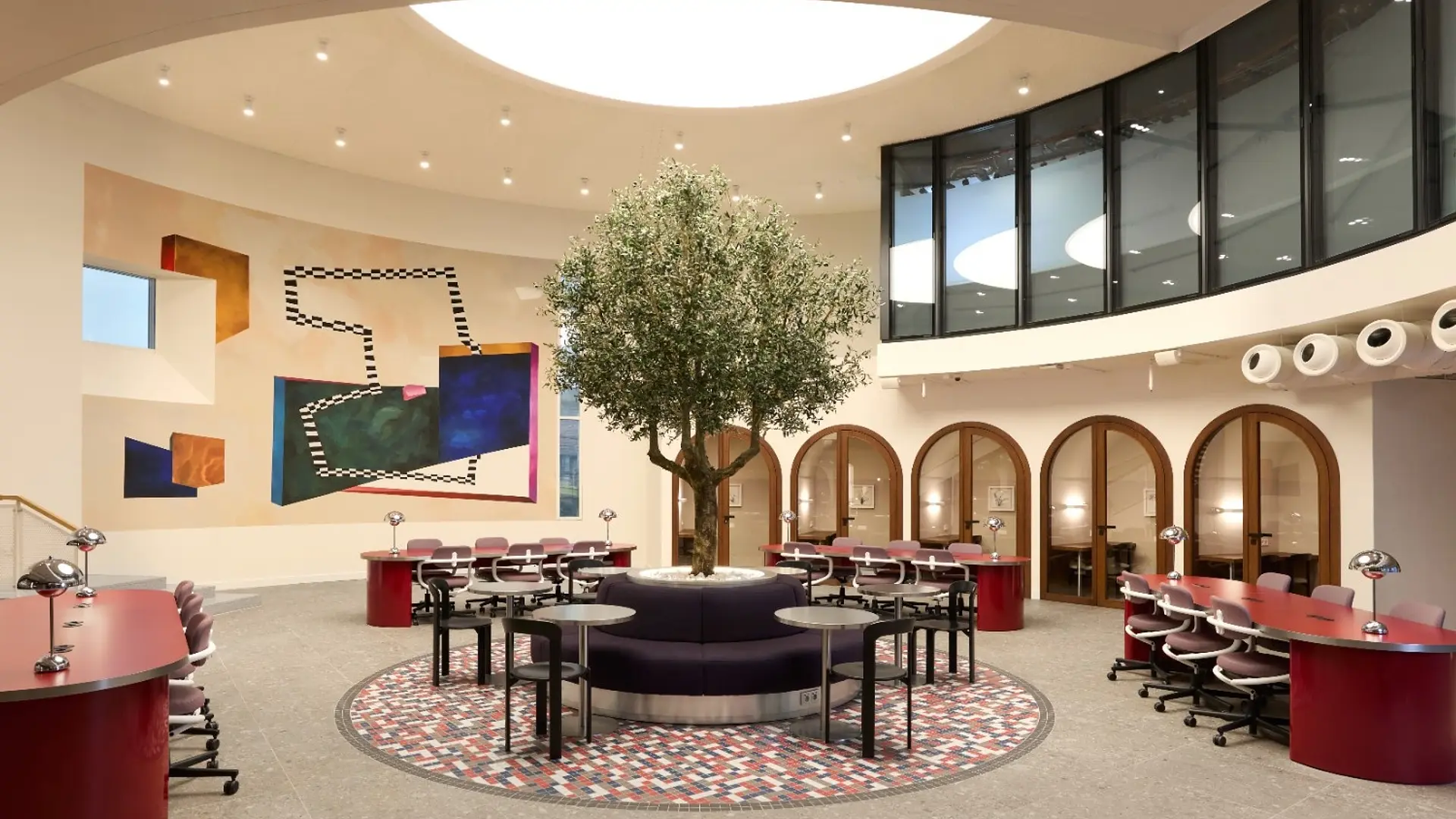
WeWork's Munich location sits inside the Oskar von Miller building — a Richard Meier-designed brutalist structure with a futuristic silhouette and an interior that doesn't give ground easily. Austere lines. Hard materials. A rotunda that commands attention the moment you enter it.
For a brand built on community and creative energy, this was a strategic problem dressed up as an architectural one. The space communicated precision and authority. WeWork needed it to communicate something else entirely: warmth, creativity, the sense that what happens inside these walls is different from what happens in every other office in Munich.
The answer wasn't better furniture. It wasn't a rebrand. It was a large-scale commissioned mural — one that would turn the building's most commanding architectural feature into a statement of cultural identity.
The Brief: Not Decoration. Cultural Expression.
WeWork's challenge was explicitly strategic: how do you express a collaborative, creative culture in a physical space without it feeling staged? Generic art installations — the kind sourced from catalogue suppliers or applied as afterthought — would have made the building feel worse, not better. A mural that didn't belong would have read as marketing. And WeWork's audience — the designers, founders, and creative professionals who rent space there — would have seen through it immediately.
The brief that came to Basa Studio wasn't "put something on the walls." It was closer to: find a collaborator who can make this rotunda feel like it was always meant to look this way.
The Oskar von Miller building's rotunda presented a spatial challenge: how to bring warmth and cultural character into a space designed around architectural authority. Photo by Phil Pham
Finding the Right Cultural Collaborator
Basa Studio's process for identifying the right artist for this project wasn't a search function. It was a matching exercise grounded in brand alignment — asking not just who makes compelling large-scale work, but whose visual language, thematic concerns, and practice could speak authentically to what WeWork stands for.
The artist selected for the Munich project preferred to remain anonymous. What mattered wasn't name recognition — it was fit. The portfolio demonstrated a rare ability to work with architectural surfaces rather than against them: texture-driven, spatially aware, capable of filling a curved wall without flattening it.
Five Days. One Rotunda. A Permanent Cultural Statement.
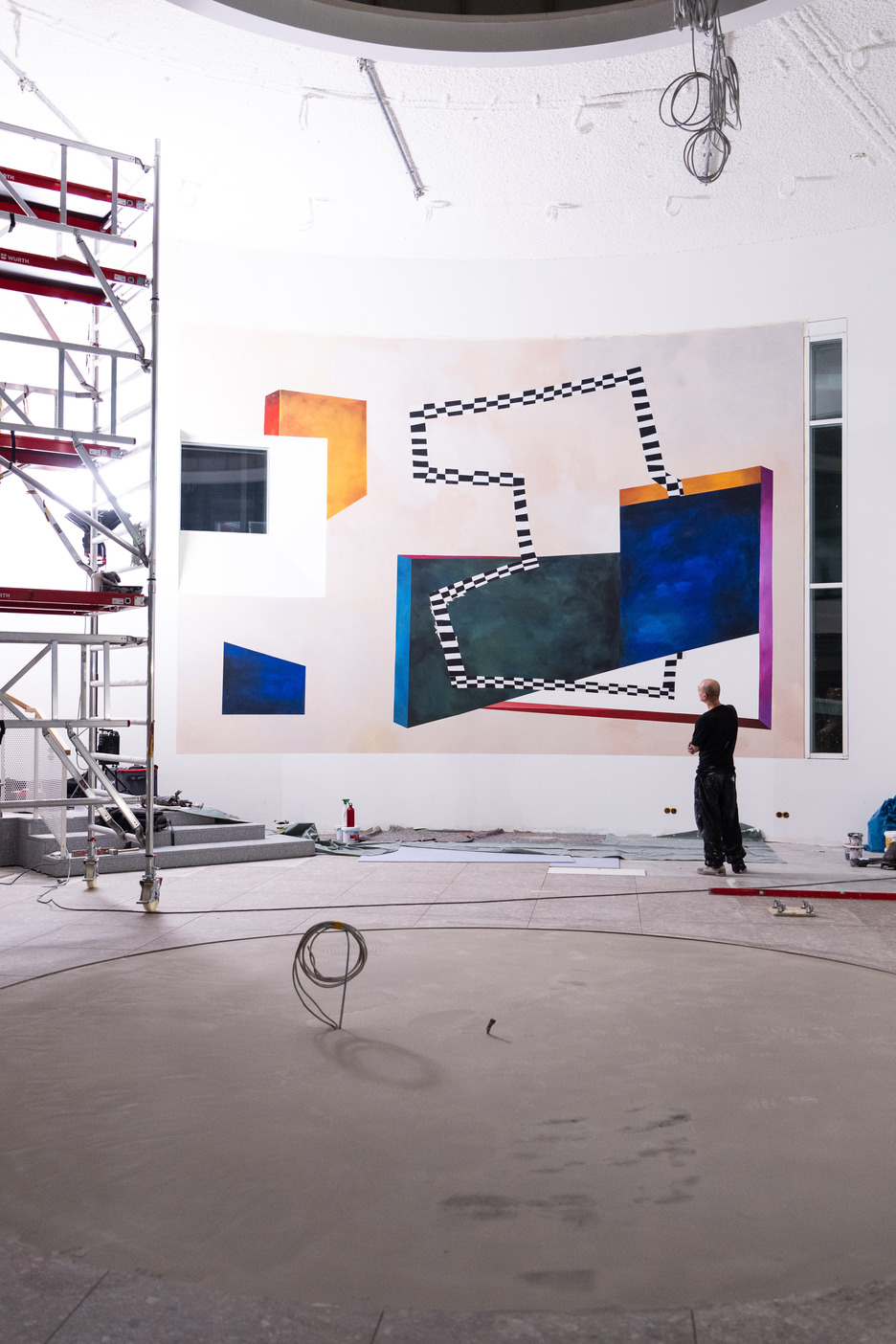
The production window was five days. In that time, a digital concept — developed collaboratively between WeWork's brand team and the artist — moved from screen to surface at a scale that transformed the entire ground floor experience of the building.
This compression of timeline is worth noting. Five days for a permanent installation in a landmark building is not a rushed job — it's a testament to how much strategic work happens before a brush touches a wall. The concept had been stress-tested. The spatial logic was resolved. The artist arrived knowing exactly what the space needed.
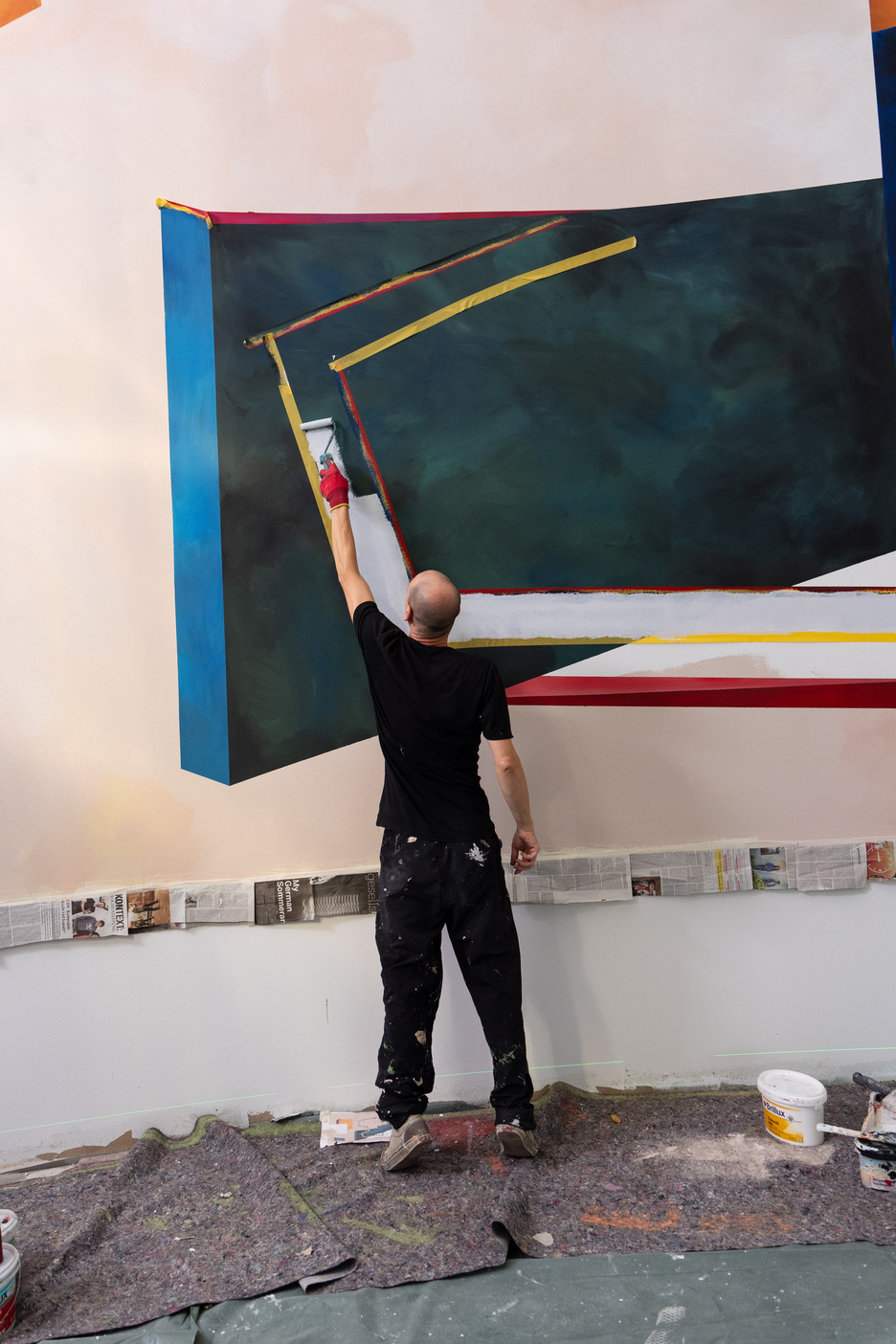
Production underway at WeWork Munich. Five days from first mark to finished installation — a timeline made possible by the strategic and creative preparation that preceded it.
The result is an installation that doesn't announce itself as art. It reads as environment. Visitors and members moving through the rotunda experience it as atmosphere — a sense of creative energy that belongs to the building now, not something applied to it.
The Munich mural commission was completed in five days — a timeline made possible by the depth of strategic and creative preparation that preceded production.
Why Office Mural Art Is a Brand Decision, Not an Interior One
The business case for investing in culturally grounded workplace art has moved well beyond anecdote. Research consistently shows that art-integrated workspaces outperform generic environments across the metrics that matter to leadership: employee satisfaction, productivity, talent attraction, and retention
The data supports this from multiple directions. A documented study by ConocoPhillips on art integration across their office environments reached the same conclusion through a different lens: that art-integrated workspaces create measurably more inspiring and collaborative environments — and function as a genuine differentiator in attracting both talent and clients.
For WeWork specifically, the investment served three distinct strategic goals:
Retention of members. A space that feels culturally considered is a space people want to return to — and renew their memberships in. In a business model built on recurring revenue from tenants, the quality of the spatial experience is a commercial lever.
Talent attraction. WeWork competes for creative professionals, startup founders, and remote-first teams who have genuine choices about where they work. A rotunda that expresses creative culture is a differentiator in that competition.
Brand expression at scale. The Oskar von Miller building is visible, trafficked, and architecturally notable. A mural commission in that space is not just an interior decision — it's a public statement about what WeWork stands for in the Munich market.
At an investment of approximately €10,000 for a project of this scale in Germany, the ROI calculation is not complicated. The installation is permanent. The impact compounds every day members, guests, and prospective tenants pass through that rotunda.
This Isn't WeWork's Only Wall
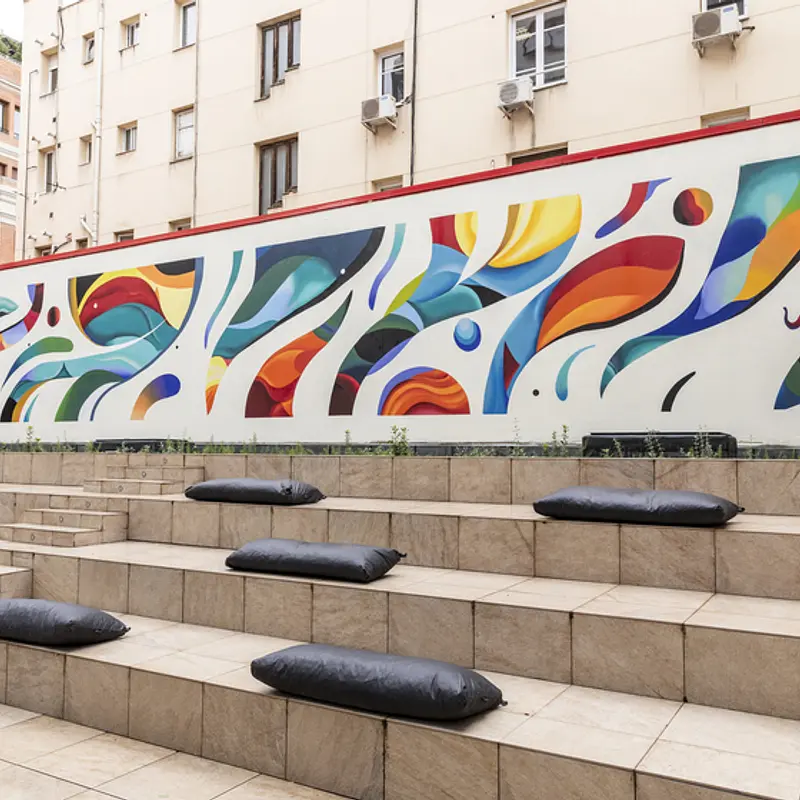
The Munich project doesn't stand alone in WeWork's approach to spatial cultural depth. In Madrid, WeWork worked with acclaimed artist Sabek to transform an exterior wall at one of their locations — a commission that took the same strategic logic outside the building entirely, into public space.
Together, these two projects illustrate something more durable than a trend: a considered brand strategy across multiple touchpoints, in multiple markets, that uses culturally grounded commissions to express values that can't be communicated through copy or campaign.
What Brands Get Wrong About Workspace Art
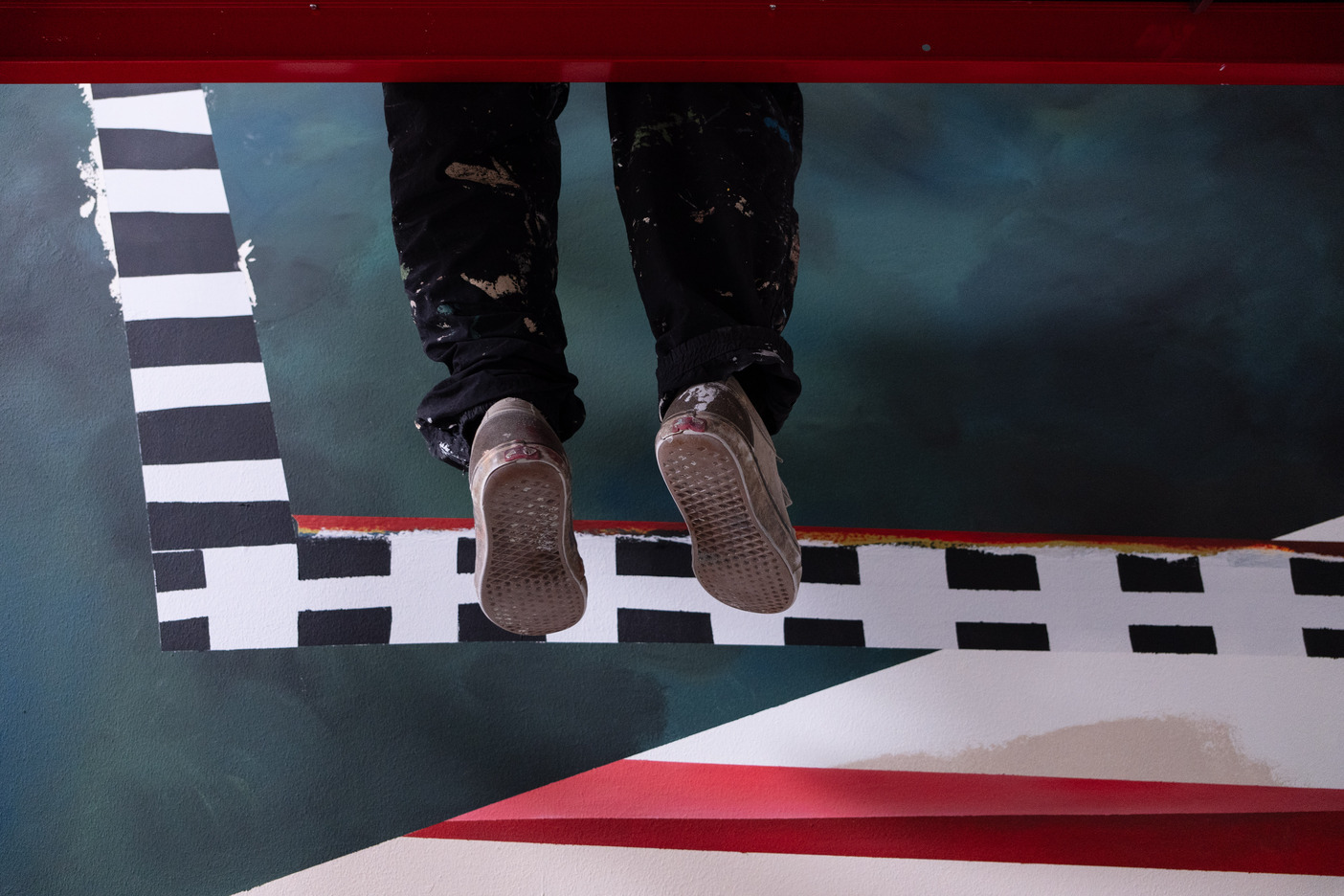
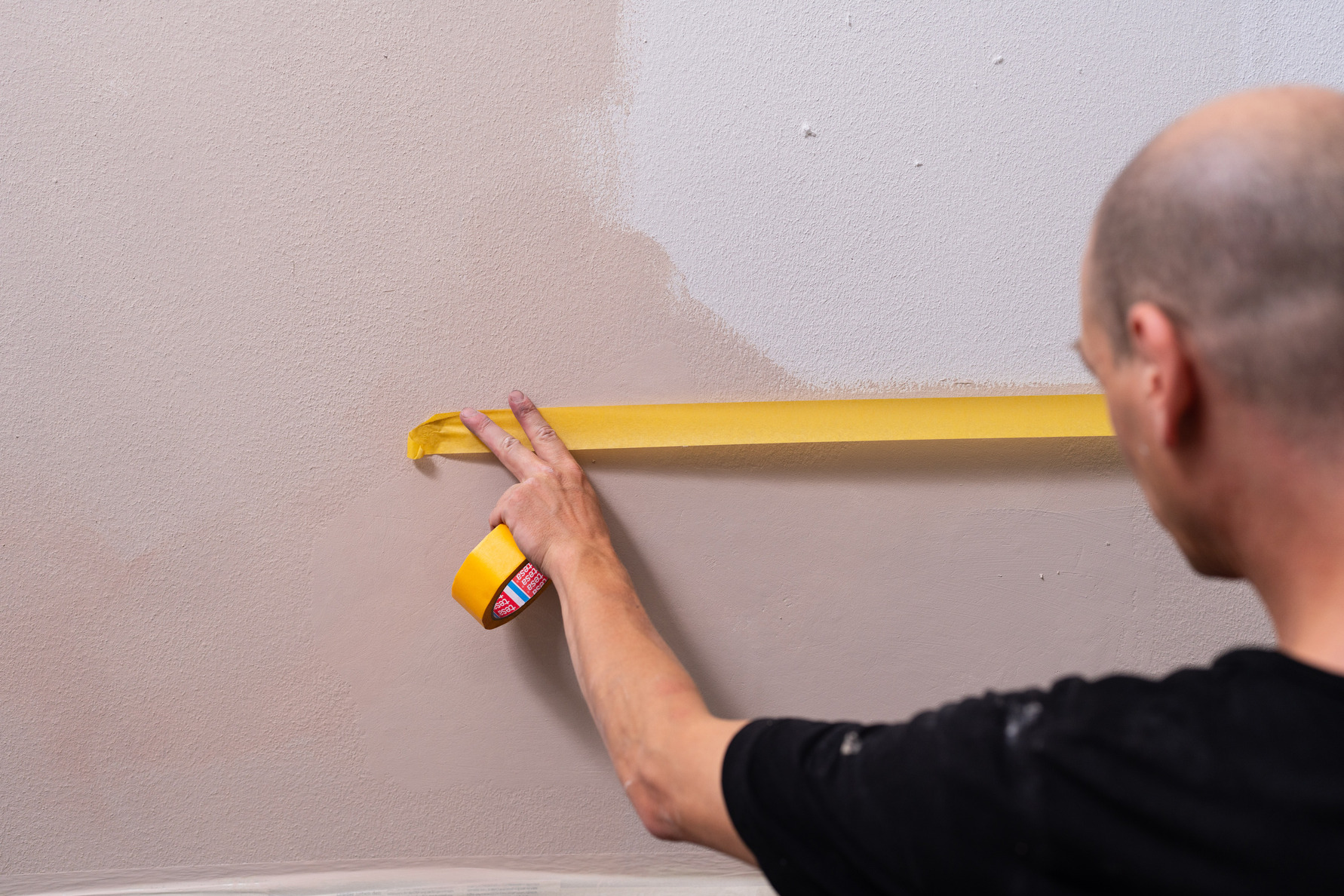
Precision at the surface level. The WeWork Munich commission required both spatial awareness and meticulous craft — the result of matching the right collaborator to the right brief.
Most corporate art decisions are made late. A space is designed, built, and nearly finished — and then someone asks what should go on the walls. At that stage, art becomes decoration by default. It fills space rather than defining it.
The WeWork Munich approach inverted this sequence. The mural wasn't selected to complement the finished interior. It was part of the spatial strategy from the beginning — chosen because of what it needed to say, not just how it needed to look.
This is the difference between office mural art as an aesthetic choice and office mural art as a brand decision. One produces a nice room. The other produces a cultural moment that people remember, photograph, and talk about — long after the opening day.
Office Mural Art at This Level Requires a Different Kind of Partner
A project like WeWork Munich doesn't come together through a search engine. It requires a partner who understands the brand strategy well enough to brief an artist, the spatial logic well enough to manage production in a landmark building, and the cultural fluency to ensure the result feels earned rather than applied.
That end-to-end capability — from strategic concept through to flawless execution — is what separates a culturally grounded mural commission from a decoration project. The wall is the same. Everything that makes it matter is different.
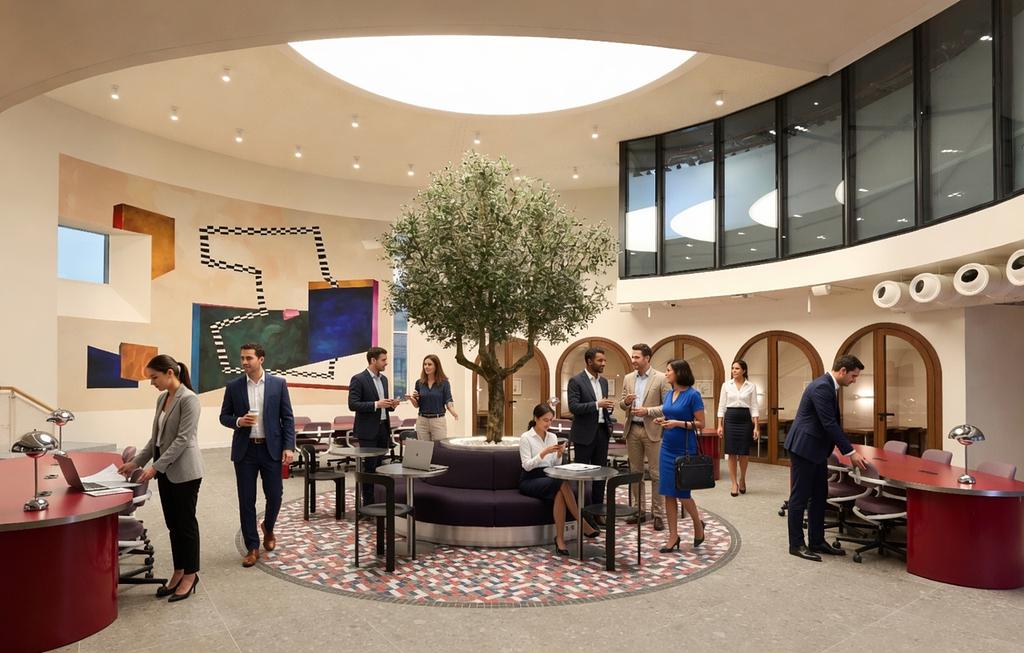
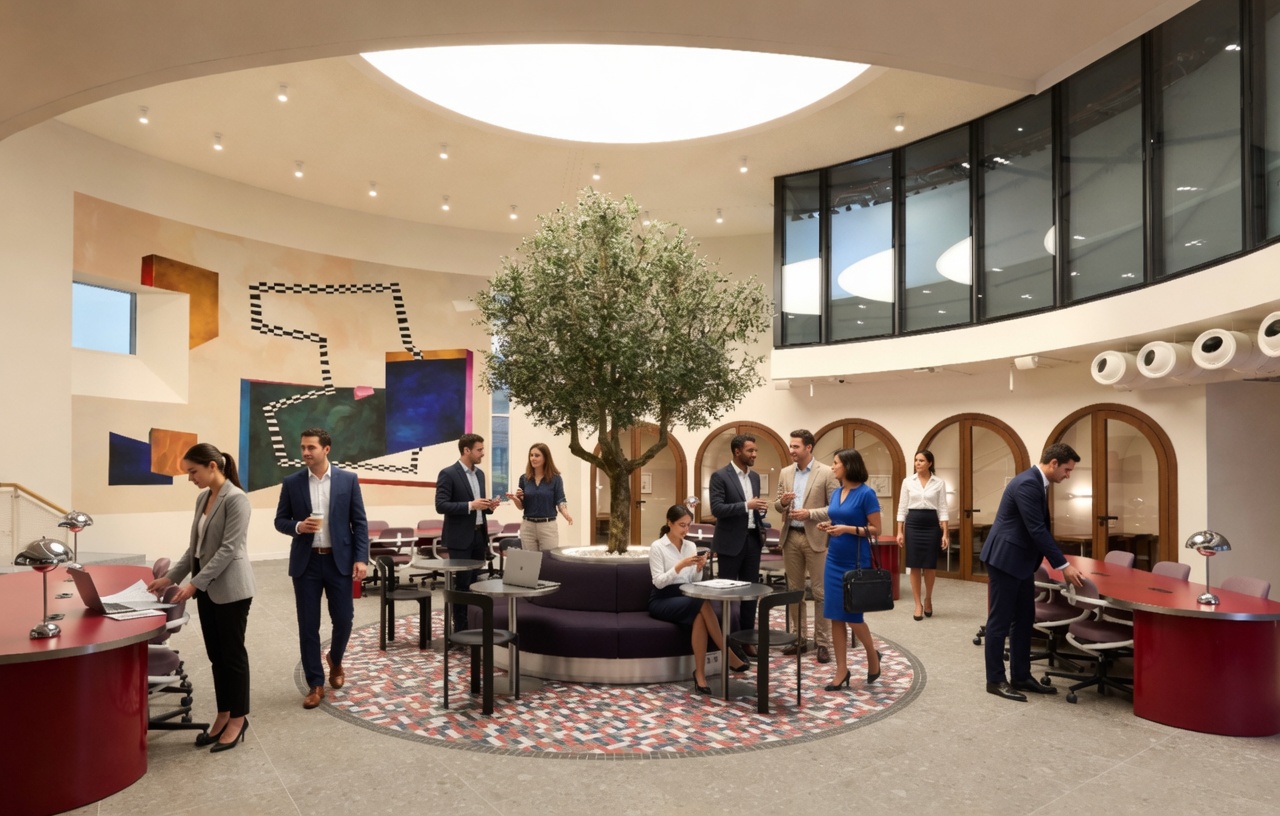
WeWork Munich, Oskar von Miller building. The commissioned mural transforms the rotunda into the cultural centrepiece of the space — visible from every entry point on the ground floor.
Related creative stories
Browse through other features, interviews and guides to discover creative brand collaborations, meet innovative artists and creators, find out how new artforms are energizing advertising, & more.
We're excited to hear from you! If you're looking for artistic solutions for your next creative marketing campaign, send us your briefing. We can also help create a killer concept if you're in an early ideation phase. Check out our services for more.
Send your briefing
About you
THANK YOU
Your inquiry has been sent
We have received your inquiry. We'll get back to you within 24-48 hours to discuss your project. If you need urgent assistance, reach us on WhatsApp: +49 176 432 64506. In the meantime, we invite you to explore our insights, case studies, and lessons from building culturally grounded brand experiences.
Please contact us by phone if you're not able to reach us via this form.
THANK YOU
We have received your inquiry. We'll get back to you within 24-48 hours to discuss your project. If you need urgent assistance, reach us on WhatsApp: +49 176 432 64506. In the meantime, we invite you to explore our insights, case studies, and lessons from building culturally grounded brand experiences.
We use cookies to help empower our artists and make them accessible to clients. Check out our Privacy Policy and Terms of Service to see how your data can make a difference.