Limited edition brand strategy only works when scarcity carries meaning. Without cultural substance behind it, a product drop is a flash sale with better PR.
Most brands discover scarcity by accident. Something sells out. Demand exceeds supply. Someone in marketing recognises the energy in the room and decides to engineer it next time. What follows is a limited edition strategy built on the wrong foundation: the commercial result, not the cultural cause.
The brands that have turned scarcity into genuine long-term authority — Hermès with the Birkin, Supreme with its Thursday drops, New Balance through its collaboration series — didn't succeed because they manufactured urgency. They succeeded because they attached meaning to the moment of release. The scarcity was never the point. The meaning attached to the scarcity was.
The Scarcity Trap
The mechanics of scarcity are well understood and widely copied. Release a limited quantity. Create a window. Let demand exceed supply. Watch the conversation spike. The problem: the conversation is the product, and if the object behind it carries no cultural weight, the conversation ends the moment the drop closes.
This is the scarcity trap. Brands mistake the symptom — demand — for the strategy. They invest in the mechanism of a product drop without investing in the cultural infrastructure that makes a drop worth talking about. The result is diminishing returns: each successive release that feels engineered erodes the brand's credibility with exactly the audience it's trying to impress.
Culturally literate audiences — and premium brand audiences in particular — have developed a precise sensitivity to manufactured FOMO. They can feel the difference between a release that exists because it's genuinely limited and one that's been throttled for commercial effect. When they sense the latter, they disengage. Not loudly. They simply stop caring, and the next drop performs a little worse than the one before.
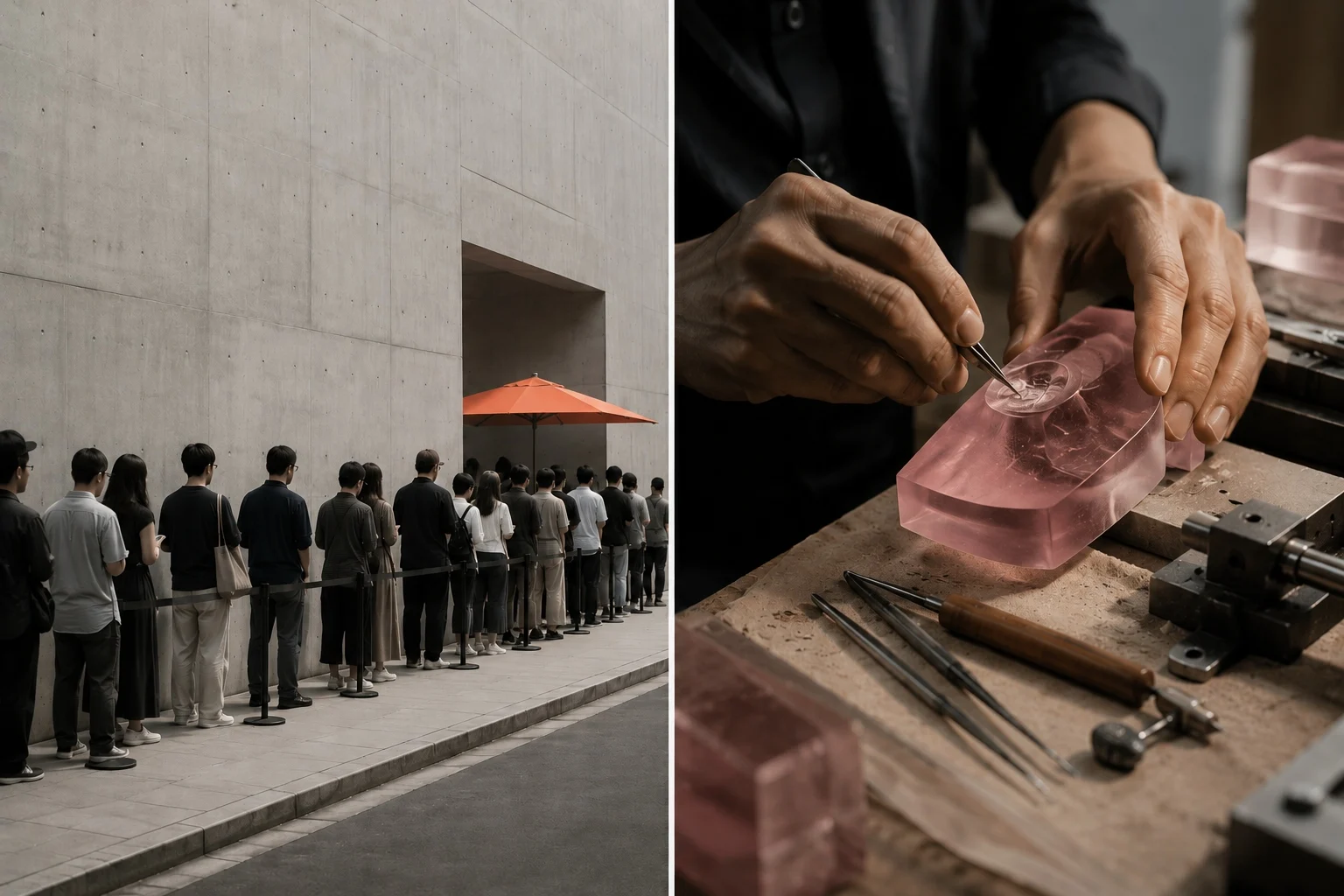
The queue is the same. The reason people are in it is not.
What Makes a Limited Edition Culturally Significant
There is no single formula, but there are three conditions that consistently separate culturally significant limited editions from commercial ones.
The object has to carry meaning beyond its function. This can come from craft — something that takes exceptional skill or time to produce. It can come from provenance — materials or making processes that are genuinely rare. It can come from collaboration — a partnership that brings two distinct cultural worlds into dialogue in a way that produces something neither could have made alone. What it cannot come from is simply deciding to make fewer of something.
The release has to feel like an event, not a promotion. This is a harder condition to meet than it sounds. An event has a point of view. It adds something to the cultural record. A promotion asks people to take action before a deadline. Premium brand audiences attend events. They ignore promotions, or they comply with them mechanically, without the affective engagement that builds long-term brand equity.
The brand has to have earned the right to make people care. This is the condition most brands skip. They invest in the mechanics of a drop before they've built the cultural authority that gives the drop weight. A brand with no clear cultural identity announcing a limited edition is announcing a sale. A brand with genuine cultural positioning announcing a limited edition is creating a moment.
The third condition is also the most difficult to shortcut. Cultural authority is not bought. It is built, through the consistency of a brand's decisions over time — who it works with, where it shows up, what it stands for, and what it refuses to do.
Product Drop Strategy: The Mechanics and the Cultural Layer
Drop culture has a specific history. It emerged from streetwear — from Supreme's Thursday releases in New York's SoHo, from Japanese brands like GOODENOUGH in the 1990s — and it was rooted in a very specific cultural logic. Small quantities weren't a strategy. They were a constraint. The community that formed around those releases wasn't engineered. It was genuine: people who shared a set of values about craft, authenticity, and the rejection of mainstream distribution.
Supreme's drop model evolved from the practical reality of a small business managing inventory into a core part of its brand identity — not the other way around. The cultural infrastructure came first. The mechanics followed. When Supreme turned its Thursday releases into weekly events, it wasn't executing a product drop strategy. It was deepening a community that already existed.
What happened next is instructive. The drop model Supreme popularised in the 1990s and 2000s has since been taken up by brands large and small, from mass-market retailers to legacy luxury houses. The mechanic is now ubiquitous. But the cultural infrastructure behind the original drops — the community, the editorial voice, the deliberate rejection of mainstream distribution — has not transferred. Brands that adopted the mechanics without the foundation were running promotions dressed as cultural moments.
Supreme itself illustrates the risk. According to Modern Retail, the brand lost cultural cachet in recent years in large part because it became too accessible and too growth-minded under corporate ownership — a dynamic VF Corp acknowledged when it sold the brand at a $600 million loss in 2024. The lesson isn't that scale kills scarcity strategies. It's that when the commercial imperative outpaces the cultural one, the audience notices — and leaves.
Cultural Scarcity vs. Artificial Scarcity
The distinction that matters most in limited edition marketing is not between expensive and affordable, or between luxury and mass market. It is between cultural scarcity and artificial scarcity.
Cultural scarcity is intrinsic. Something is rare because it is genuinely difficult to produce — because it requires exceptional craft, limited materials, a specific geography, a singular collaboration, or a process that cannot be scaled without losing what makes it valuable. The scarcity is a fact, not a decision.
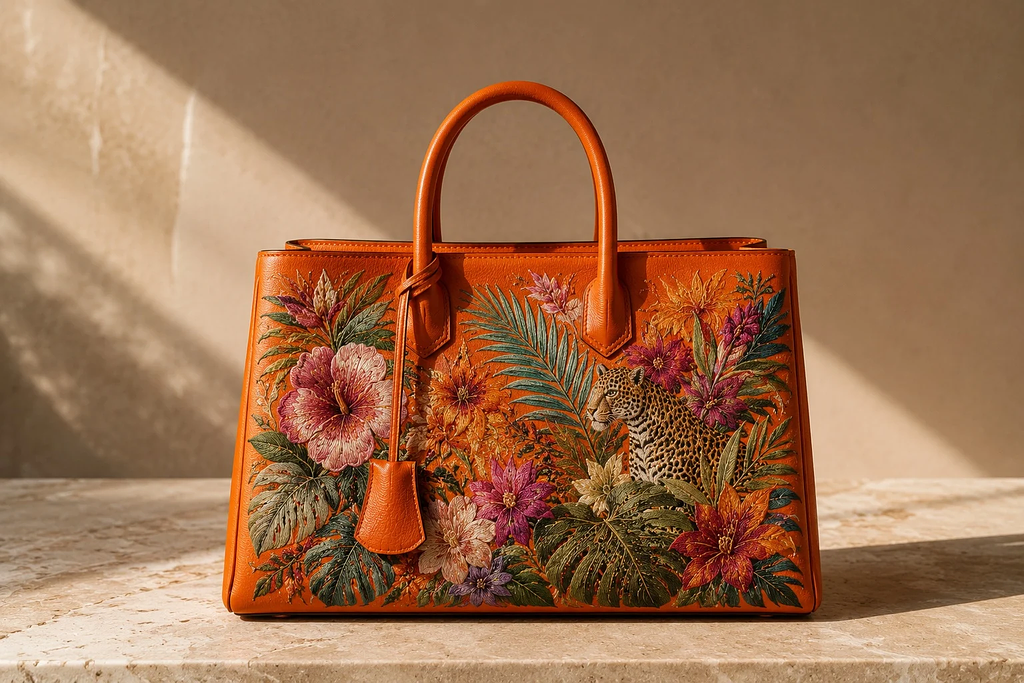
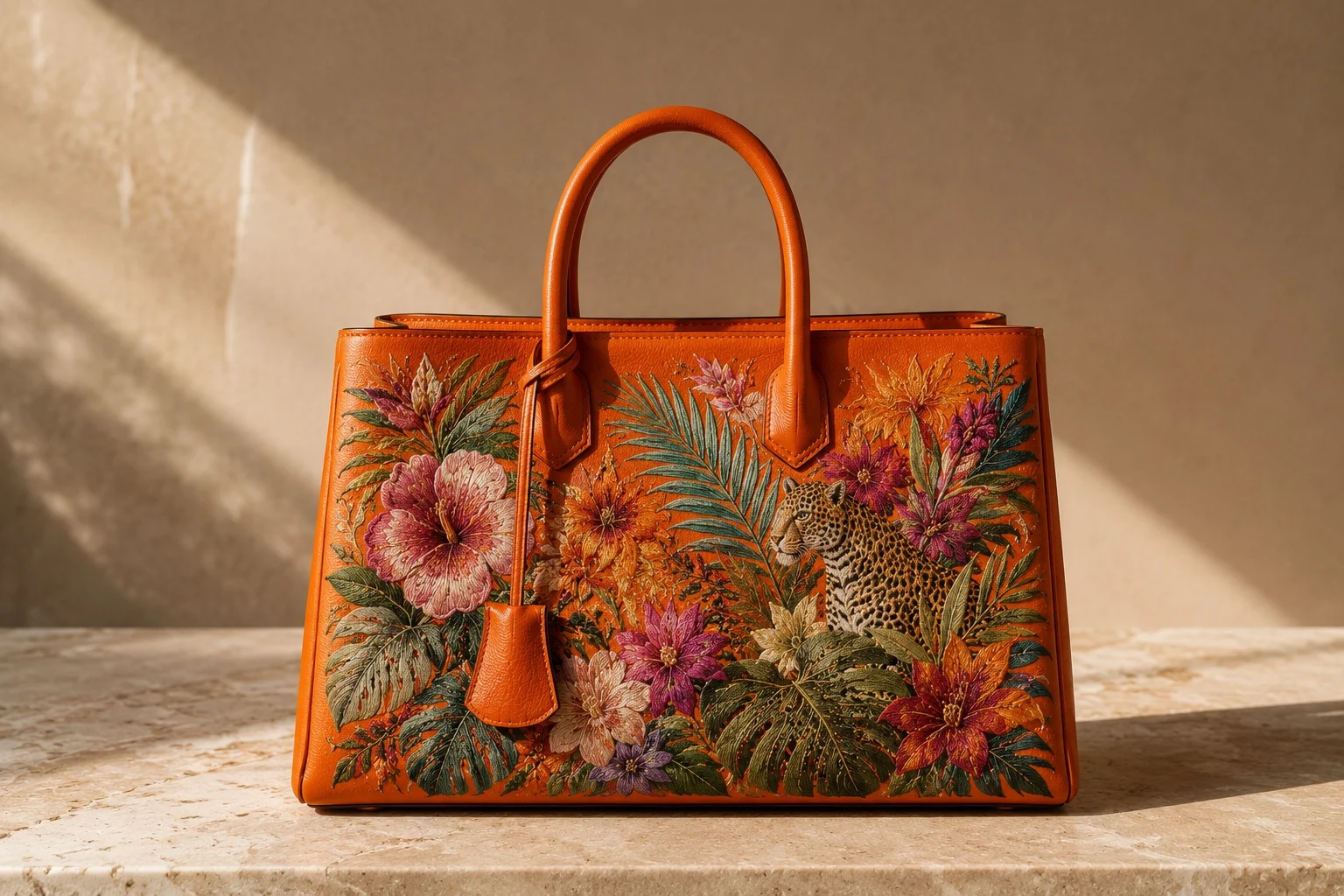
According to Sotheby's, each Birkin requires a minimum of 18 hours of craftsmanship by a single artisan. That is not a marketing claim. It is a production reality. The scarcity that results from it is not manufactured — it is structural. Hermès could not produce more Birkins at the same quality level even if it wanted to. That structural constraint is precisely what gives the bag its cultural weight.
Artificial scarcity is extrinsic. A brand limits production not because production is inherently constrained, but because constraining it serves commercial ends. This is a legitimate tool, but it is a tool, not a strategy. Used well, it creates urgency. Used repeatedly, without the cultural substance to justify the limitation, it produces cynicism.
The premium brand audience is particularly sensitive to this distinction. Audiences increasingly distinguish between objects that are rare because they deserve to be and objects that are rare because a brand has decided they should be. The former builds long-term brand equity. The latter produces a short-term revenue spike and, with each repetitive application, a slow erosion of trust.
Cultural scarcity isn't a lever. It's a consequence of genuine quality.
Brand Exclusivity as Cultural Signal
The most sophisticated application of limited edition thinking is when exclusivity stops being about access and starts being about signal. When an object is rare enough, and culturally significant enough, it ceases to belong only to the people who own it. It enters the broader cultural vocabulary as a reference point — something everyone understands even if most people will never hold it.
Hermès has combined scarcity and craftsmanship with secrecy, symbolism, and strategy to turn an object into an institution. The Birkin is not merely a luxury handbag. Its exclusivity is so embedded in the cultural record that it functions as a symbol of aspiration, patience, and status far beyond its actual owner base. People who will never own a Birkin still understand what it means to own one. That shared cultural knowledge is the brand's most durable asset — more durable than any single product launch.
This dynamic is not exclusive to ultra-luxury. It is scalable, with the right conditions in place. A limited edition collaboration between a brand and a culturally significant artist or artisan can create the same kind of shared cultural reference at a different scale. What it requires is genuine cultural authority on both sides of the collaboration — not merely visibility, but a coherent point of view that the partnership makes legible.
The Aimé Leon Dore and New Balance partnership, which began in 2019, focused on reinterpreting archival silhouettes and quickly became one of the most culturally influential sneaker collaborations of its era. Neither brand was in the upper tier of luxury. But both had a clear cultural identity — New Balance with its heritage and understated authenticity, Aimé Leon Dore with its distinctly New York vision of nostalgia and craft. The collaboration worked because both sides brought something real. The limited editions it produced were cultural moments, not commercial manoeuvres.
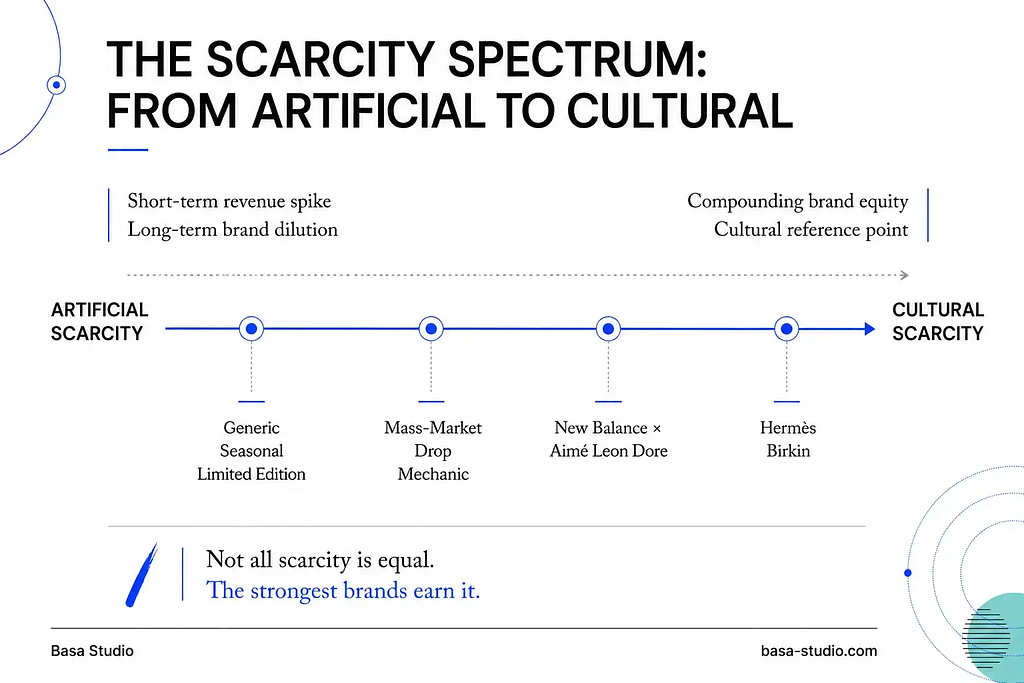
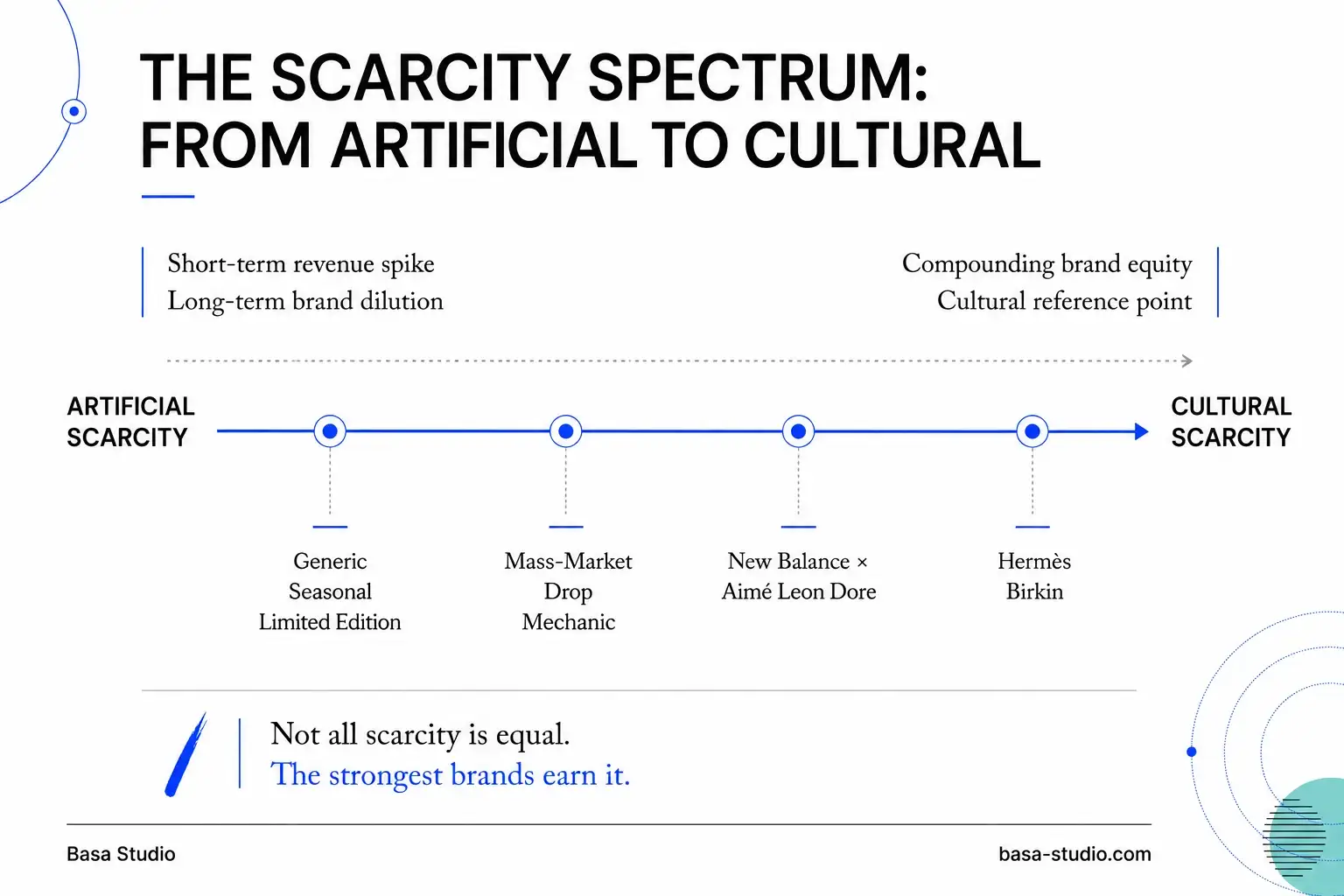
The spectrum between artificial and cultural scarcity is not binary. A generic seasonal limited edition — limited by decision, not by substance — sits at one end, producing short-term revenue spikes and long-term brand dilution. A mass-market drop mechanic that engineers urgency without cultural weight sits just beyond it. Further along are collaborations like New Balance x Aimé Leon Dore, where archival craft meets genuine cultural identity. At the far end sits the Hermès Birkin — where scarcity is a production reality, not a strategy, and the result is compounding brand equity that functions as a cultural reference point.
"The Scarcity Spectrum: From Artificial to Cultural"
Exclusivity Across Market Positions
Brand exclusivity doesn't operate uniformly across market positions. What works structurally at the level of Hermès does not map directly onto a premium mass-market brand or a mid-tier lifestyle label. The principle — that scarcity needs cultural substance to generate long-term brand equity — holds across all positions. The application changes.
For luxury brands, cultural scarcity is often rooted in production: the object's rarity is a function of the craft required to make it. The brand's task is to make that production reality legible — to give the audience enough visibility into the making to understand what they're responding to.
For premium brands, cultural scarcity is more often rooted in collaboration and editorial positioning. The brand doesn't produce objects that are inherently rare. It creates moments — partnerships, releases, contexts — that are genuinely distinctive. The limited edition in this context is not primarily an inventory decision. It is a declaration of cultural intent.
For mass-market brands, the limited edition mechanic is highest-risk. The audience is broader, more price-sensitive, and less invested in the brand's cultural identity. Artificial scarcity at this level is transparent and often counterproductive — the audience that couldn't access the limited edition is often the brand's core customer. The brands that make it work at this level do so by creating genuine cultural moments — a collaboration with an artist or cultural figure who brings genuine credibility, not merely reach.
The Question Worth Asking
Before any limited edition strategy is activated, there is a question that most brand teams don't ask: if this sells out completely, what cultural conversation does it leave behind?
If the answer is "none" — if the product's disappearance from shelves is the end of the story — then the strategy has not worked, regardless of the commercial result. A limited edition that sells out in minutes and generates no cultural conversation is a flash sale with better PR. It hasn't built brand equity. It has extracted it.
The brands that use limited edition strategy most effectively treat each release as a contribution to an ongoing cultural argument. The object is the evidence. The release is the moment. What remains — in coverage, in community memory, in the cultural record — is the point.
That's not a mechanic. It's a standard.
Related creative stories
Browse through other features, interviews and guides to discover creative brand collaborations, meet innovative artists and creators, find out how new artforms are energizing advertising, & more.
We're excited to hear from you! If you're looking for artistic solutions for your next creative marketing campaign, send us your briefing. We can also help create a killer concept if you're in an early ideation phase. Check out our services for more.
Send your briefing
About you
THANK YOU
Your inquiry has been sent
We have received your inquiry. We'll get back to you within 24-48 hours to discuss your project. If you need urgent assistance, reach us on WhatsApp: +49 176 432 64506. In the meantime, we invite you to explore our insights, case studies, and lessons from building culturally grounded brand experiences.
Please contact us by phone if you're not able to reach us via this form.
THANK YOU
We have received your inquiry. We'll get back to you within 24-48 hours to discuss your project. If you need urgent assistance, reach us on WhatsApp: +49 176 432 64506. In the meantime, we invite you to explore our insights, case studies, and lessons from building culturally grounded brand experiences.
We use cookies to help empower our artists and make them accessible to clients. Check out our Privacy Policy and Terms of Service to see how your data can make a difference.