A brand touchpoints strategy built on cultural depth outlasts any campaign — these are the 10 touchpoints where brand relationships are actually built.
The Long-Term Strategy: Compounding Cultural Authority
The Touchpoint Landscape
Every brand has dozens of touchpoints. Social media feeds. Email sequences. Customer service flows. Search ads. Loyalty programs. Product pages. The full map of moments where a brand and its audience come into contact is vast — and most of it is digital, automated, and optimised within an inch of its life.
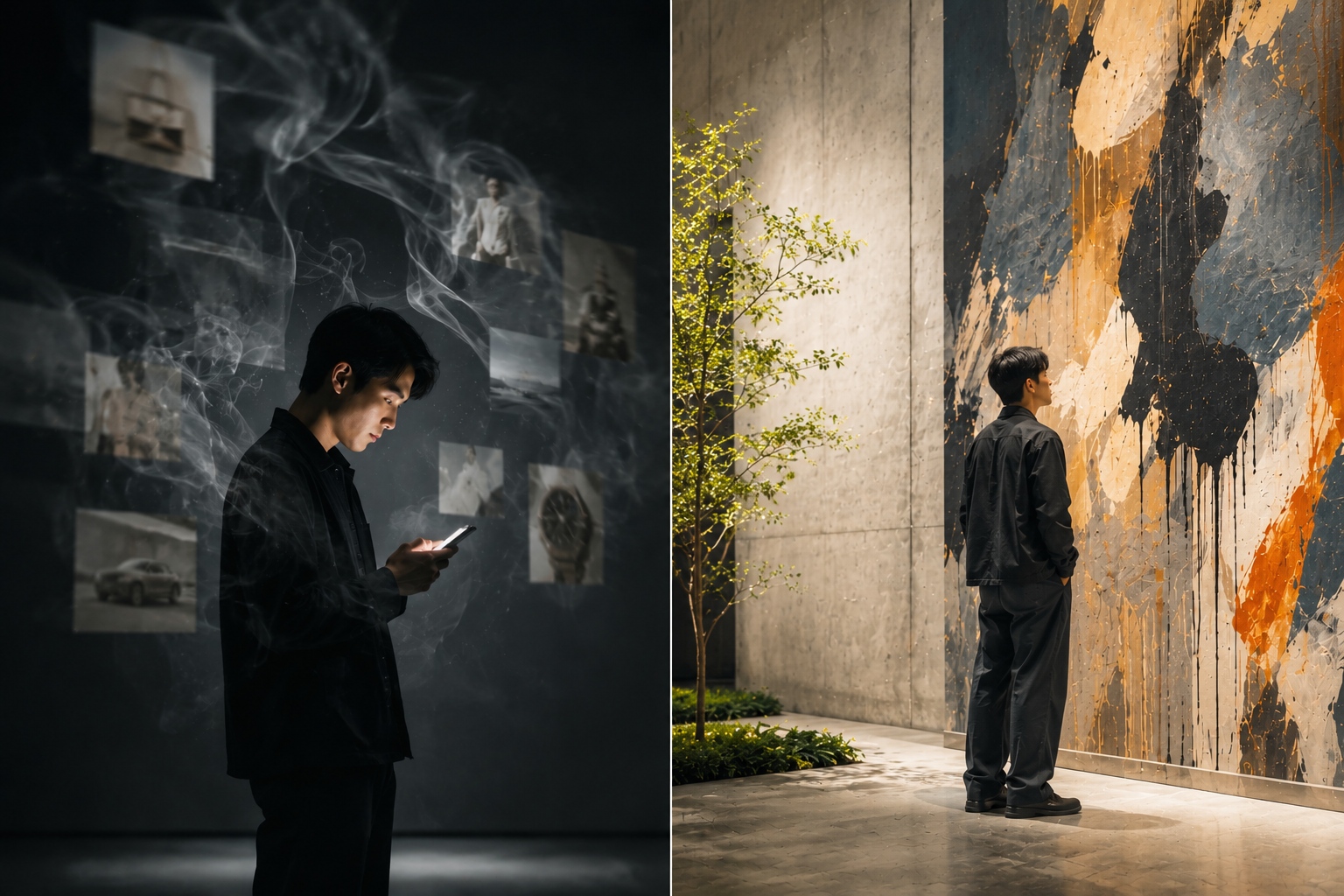
That optimisation has a cost. The more a touchpoint is engineered for efficiency, the less room it has for meaning. When every interaction is A/B tested, personalised by algorithm, and measured by click-through rate, the brand stops being a presence and becomes a targeting parameter.
This is the central tension that cultural brand building is designed to resolve. Not by abandoning digital channels — those remain essential for reach and frequency — but by recognising that reach and frequency are not the same as depth. You can reach a million people and leave no impression. You can reach a hundred people in the right physical moment and build a brand relationship that lasts a decade.
The question for senior brand decision-makers is not which channels to use. It is where, across the full landscape of touchpoints, brand relationships are actually built. Our answer is unambiguous: it is in the physical and experiential ones. Specifically, it is in the ten touchpoints explored in this guide.
A brand might invest in one of these touchpoints and see meaningful returns. The most ambitious — and the most culturally authoritative — build across several, compounding cultural depth over years. That is the argument this article makes, and it is the framework that informs every project Basa Studio produces.
Physical touchpoints do something digital ones cannot: they change the environment the audience is already in, rather than competing for attention within it.
There is a principle in memory research that has direct implications for brand strategy: the more sensory and spatial an experience, the more durably it is encoded. Aradhna Krishna and Norbert Schwarz's foundational work on sensory marketing and embodied cognition, published in the Journal of Consumer Psychology, demonstrates that mental activity is grounded in sensory experience — and that multisensory engagement produces stronger, more lasting memory traces than purely visual or digital stimuli. A brand that exists only on screen exists in the same cognitive space as everything else on screen — which is to say, it competes constantly for attention, registers briefly, and fades.
A brand that exists in physical space — that changes the room someone is standing in, the object they are holding, the wall they walk past every morning — occupies a different kind of territory. It becomes part of how someone remembers a place, a period, a feeling. That is not a poetic claim. It is how memory works.
This matters to brand strategy for a specific reason: premium brands do not compete on price. They compete on preference, trust, and cultural association — all of which are built over time through exactly the kind of durable memory that physical touchpoints create. A consumer who associates a brand with a specific spatial experience, a piece of craft they encountered, or a cultural moment they witnessed in person is not making a rational purchasing decision. They are acting on something deeper.
Digital touchpoints are effective at driving awareness and purchase intent in the short term. Physical, cultural touchpoints are where brand relationships compound. The two are not in competition — but they are not equivalent. Brands that treat them as equivalent consistently underinvest in the touchpoints that matter most.
The ten touchpoints that follow are the ones where Basa Studio works — and the ones where, in our experience, the gap between what brands invest and what they could build is largest.
The Touchpoint Comparison Table
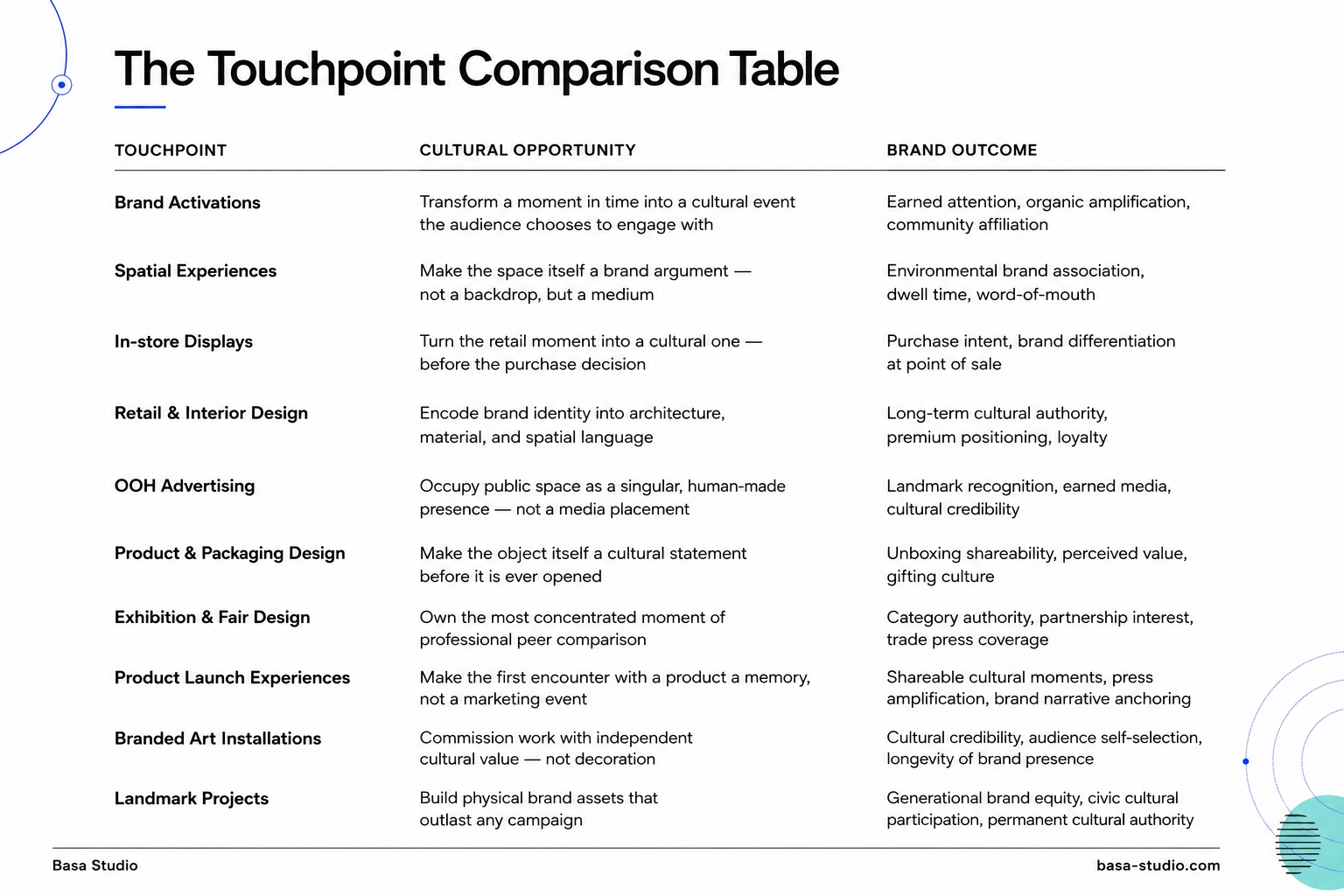
The table below maps each of the ten touchpoints to its primary cultural opportunity and the brand outcome a well-executed investment can deliver. It is not a ranking — the right entry point depends entirely on the brand's current position, audience, and brief. It is a strategic reference.
Table mapping each of the ten touchpoints to its primary cultural opportunity and the brand outcome. By Basa Studio.
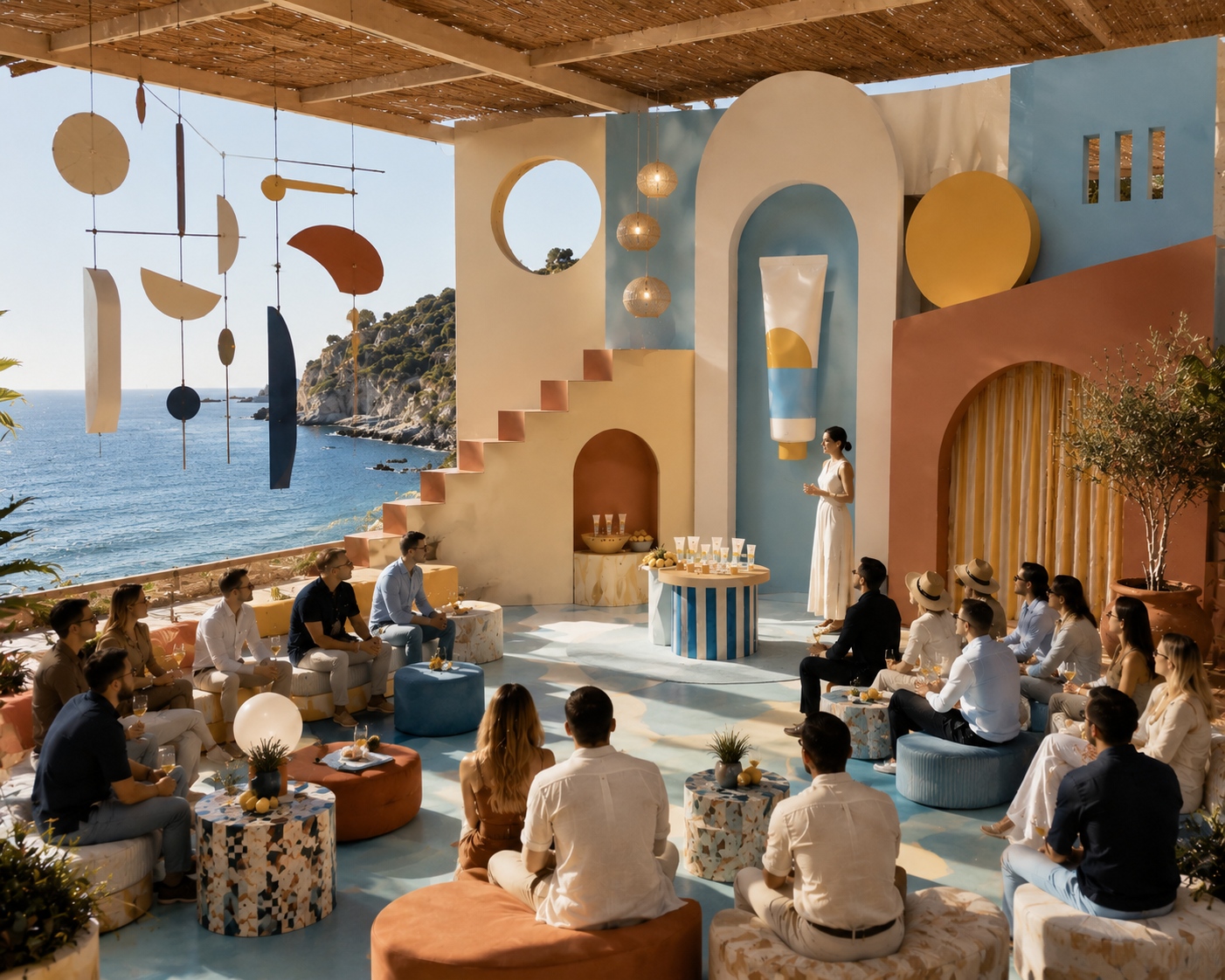
1. Brand Activations
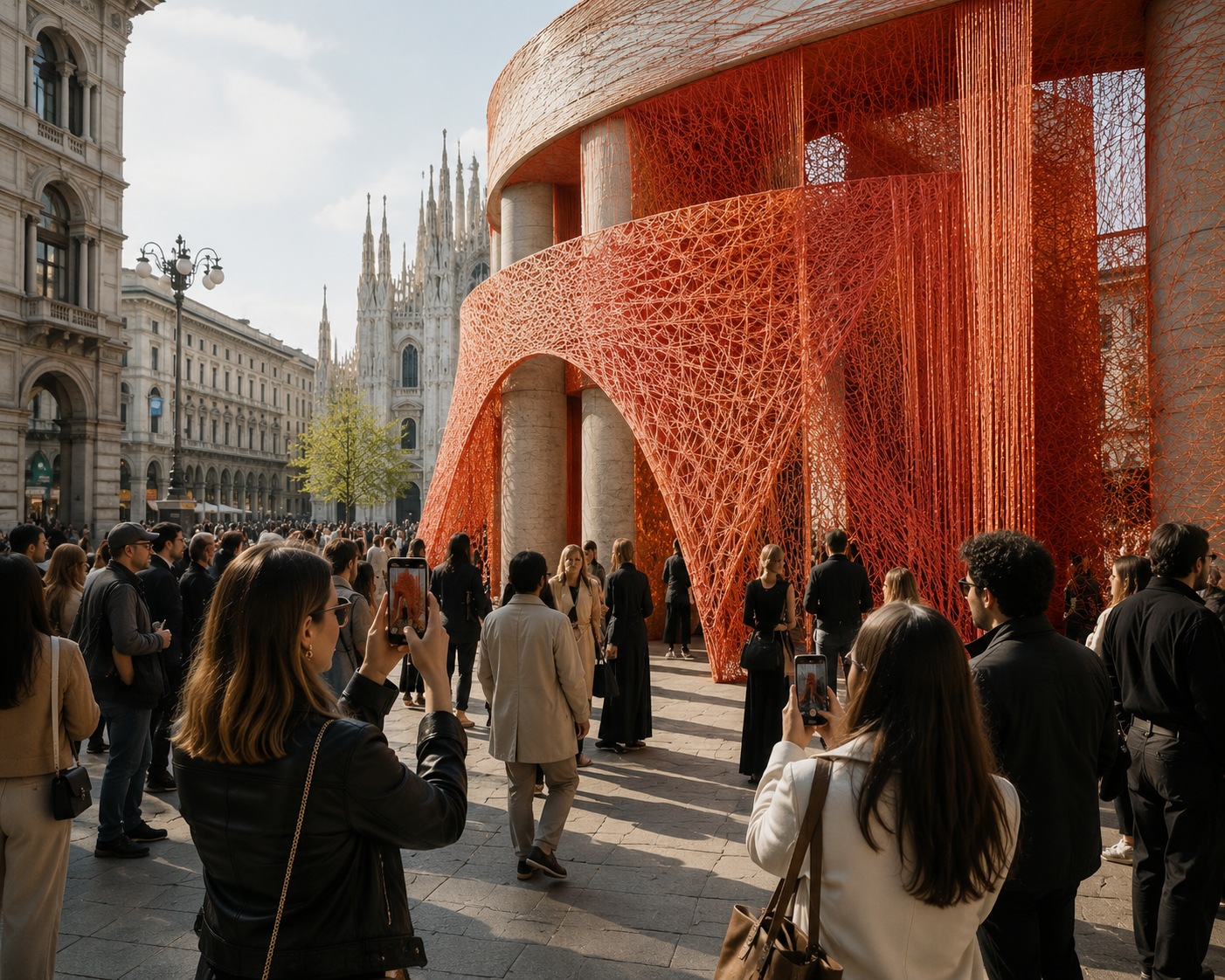
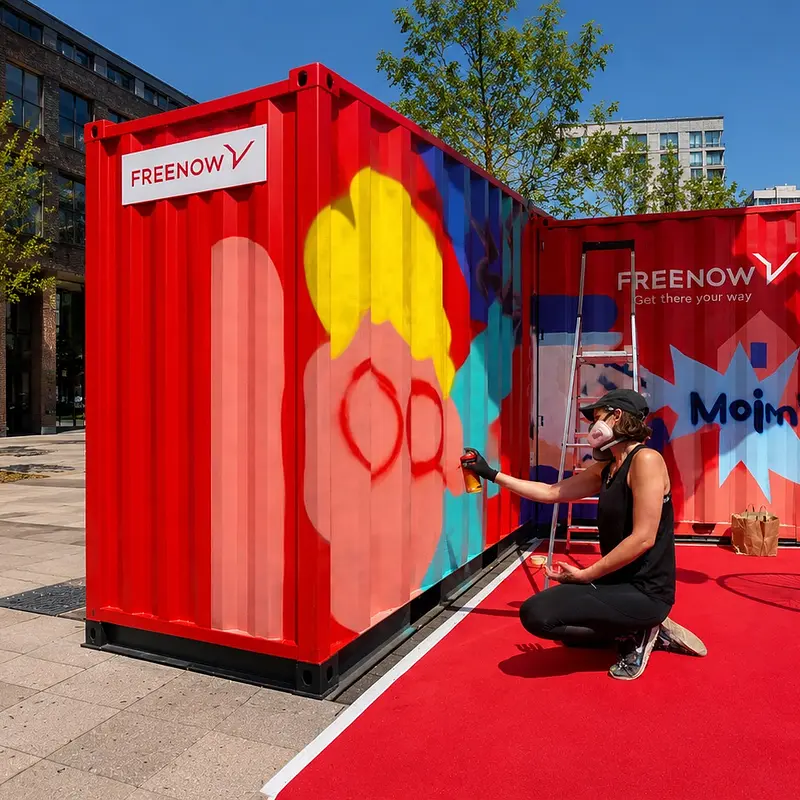
A brand activation that earns attention looks nothing like an advertisement. It creates a situation where engagement is the natural response.
Brand activations are the most visible expression of experiential brand touchpoints — and the most frequently misunderstood. The opportunity is substantial: a well-designed activation does not ask audiences to pay attention. It creates a situation in which paying attention is the natural response. The brand becomes part of an experience the audience sought out, rather than an interruption of one.
What most brands get wrong is treating activations as marketing with a physical dimension. The format changes; the logic doesn't. The result is an experience that feels produced rather than genuine — exactly the quality that culturally aware audiences detect immediately and disengage from. Activation that earns attention is built around cultural substance, not brand messaging. The brand is present in the experience; it is not the point of it.
Done well, brand activations generate the kind of organic social documentation and community conversation that no media budget can replicate. They create brand audience connections that persist long after the moment has passed.
2. Spatial Experiences
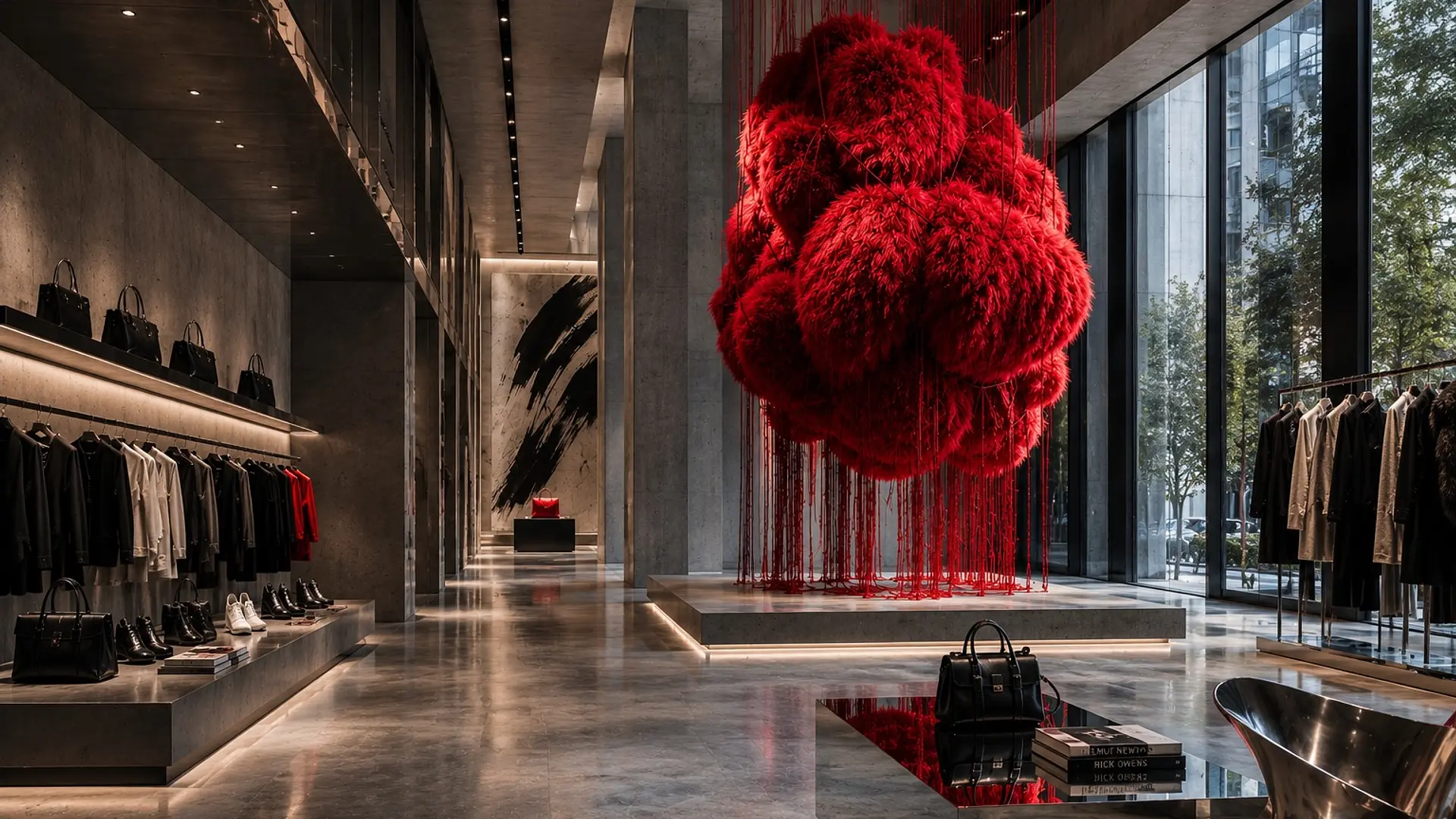
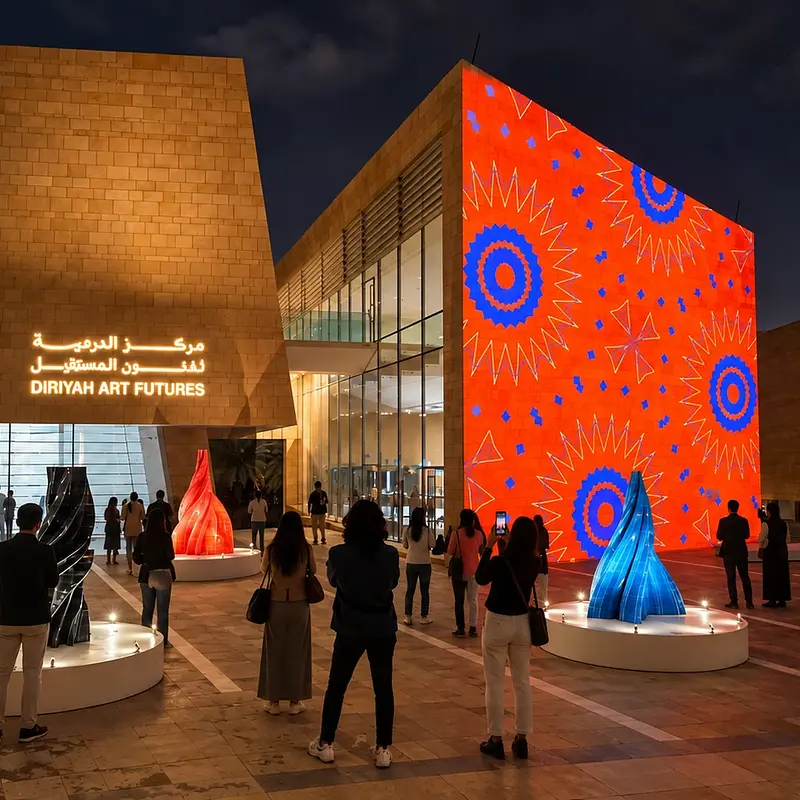
When space is treated as a medium rather than a container, brand identity is communicated before a conversation begins.
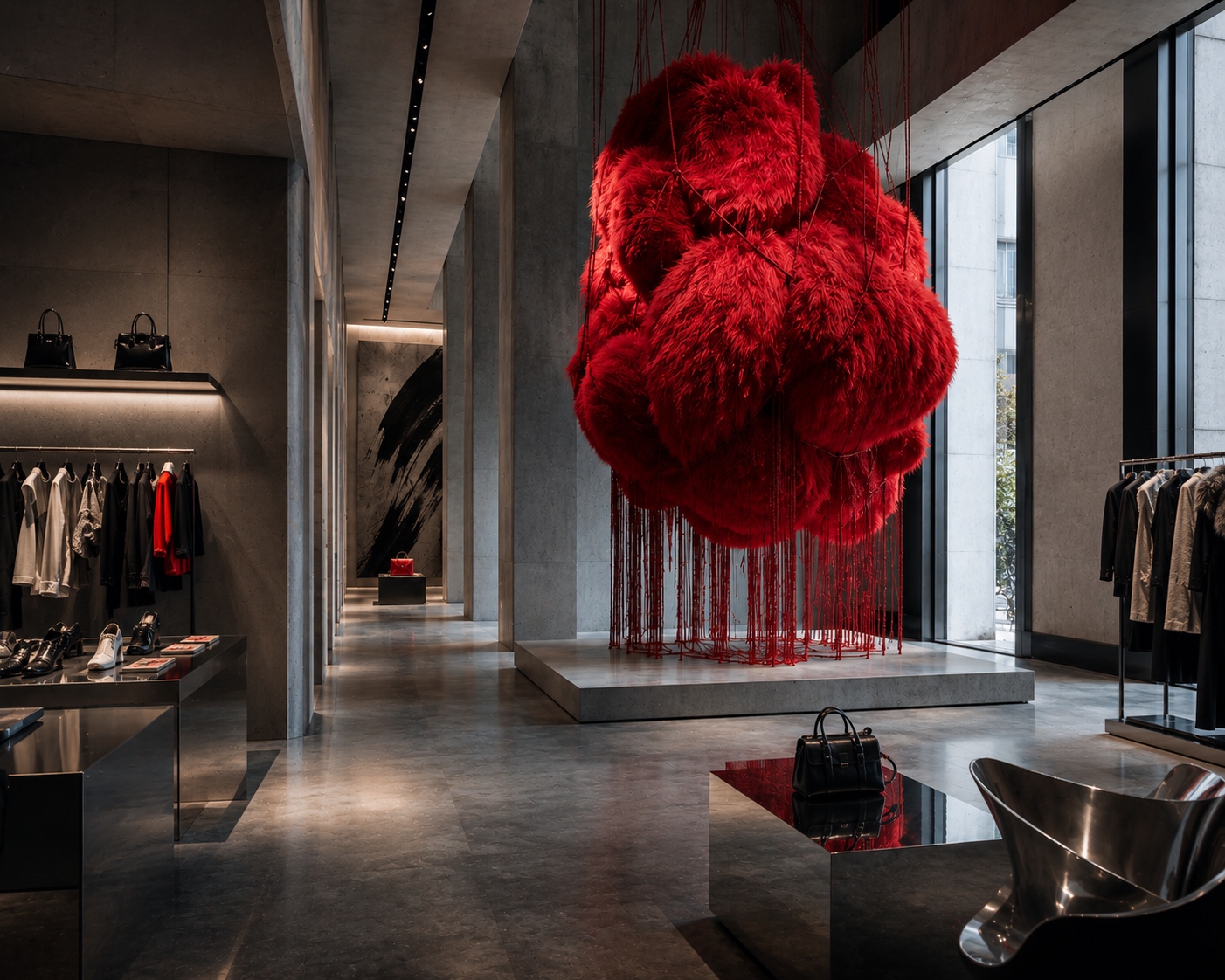
Space is one of the most underused instruments in a brand's toolkit. Most brands treat physical space as a container — something that holds the products, the people, and the signage. The most culturally sophisticated brands treat space as a medium: a thing that communicates identity before a word is spoken or a product is seen.
The failure mode here is interior design by committee — spaces that reflect brand guidelines without reflecting brand character. Guidelines govern colour palettes and logo placement. Character is communicated through material choices, spatial sequences, acoustic texture, and the kind of cultural collaborators whose work inhabits the space. Those decisions cannot be delegated to a fit-out contractor working from a brand style guide. They require a strategic partner who understands both the brand's identity and the cultural language of the space — and who is involved before the brief is fixed, not after the floor plan is drawn.
An experiential brand strategy that takes spatial experience seriously treats the room as an argument: what does this space say about who we are, what we value, and who belongs here? When that argument is made well, audiences feel it before they can articulate it — and that pre-rational response is where brand preference is built.
3. In-store Displays
An in-store display that introduces cultural narrative shifts the retail moment from transaction to experience — changing how the purchase is remembered.
The in-store display is the most proximate touchpoint to the purchase decision — which is precisely why so many brands default to pure product communication at this moment. Price, features, promotional mechanics. All of which the consumer already knows, because they are standing in the store.
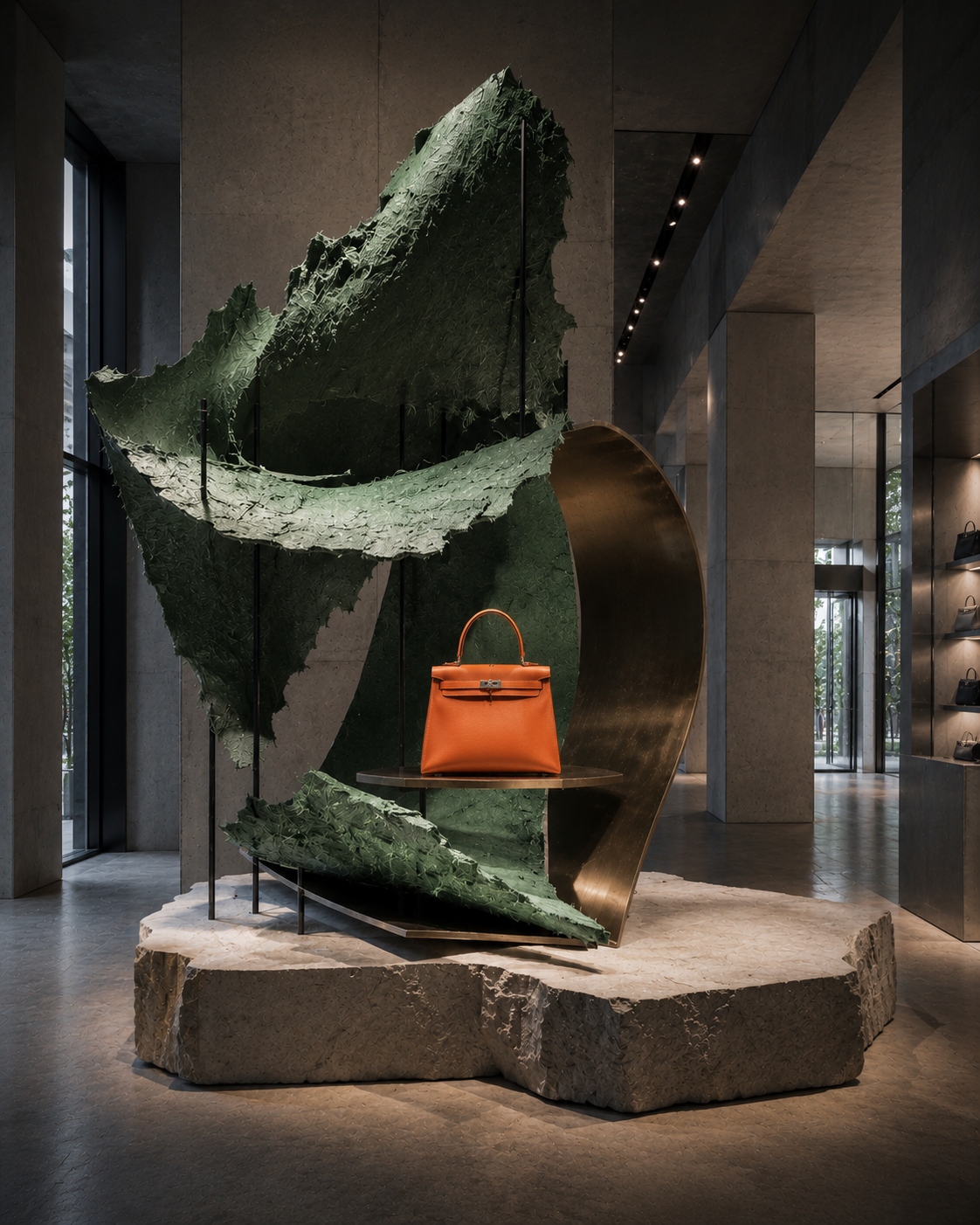
The cultural opportunity at this touchpoint is different: it is the moment to give the consumer something to feel about the brand, not just something to know about the product. A display that introduces a cultural reference, a material narrative, or a collaborative story between the brand and a specific maker shifts the frame from transaction to experience. That shift changes how the purchase is remembered — and how the brand is recalled in the future.
What brands consistently underestimate is how much this touchpoint is shaped by what surrounds it. A culturally rich in-store display in a visually generic environment creates a contrast that either elevates the brand or exposes the incoherence. The physical brand touchpoint strategy needs to consider the display not in isolation, but in the context of the full retail environment it inhabits.
4. Retail & Interior Design
Retail and interior design decisions persist for years. They are the brand argument made in the most durable medium available.
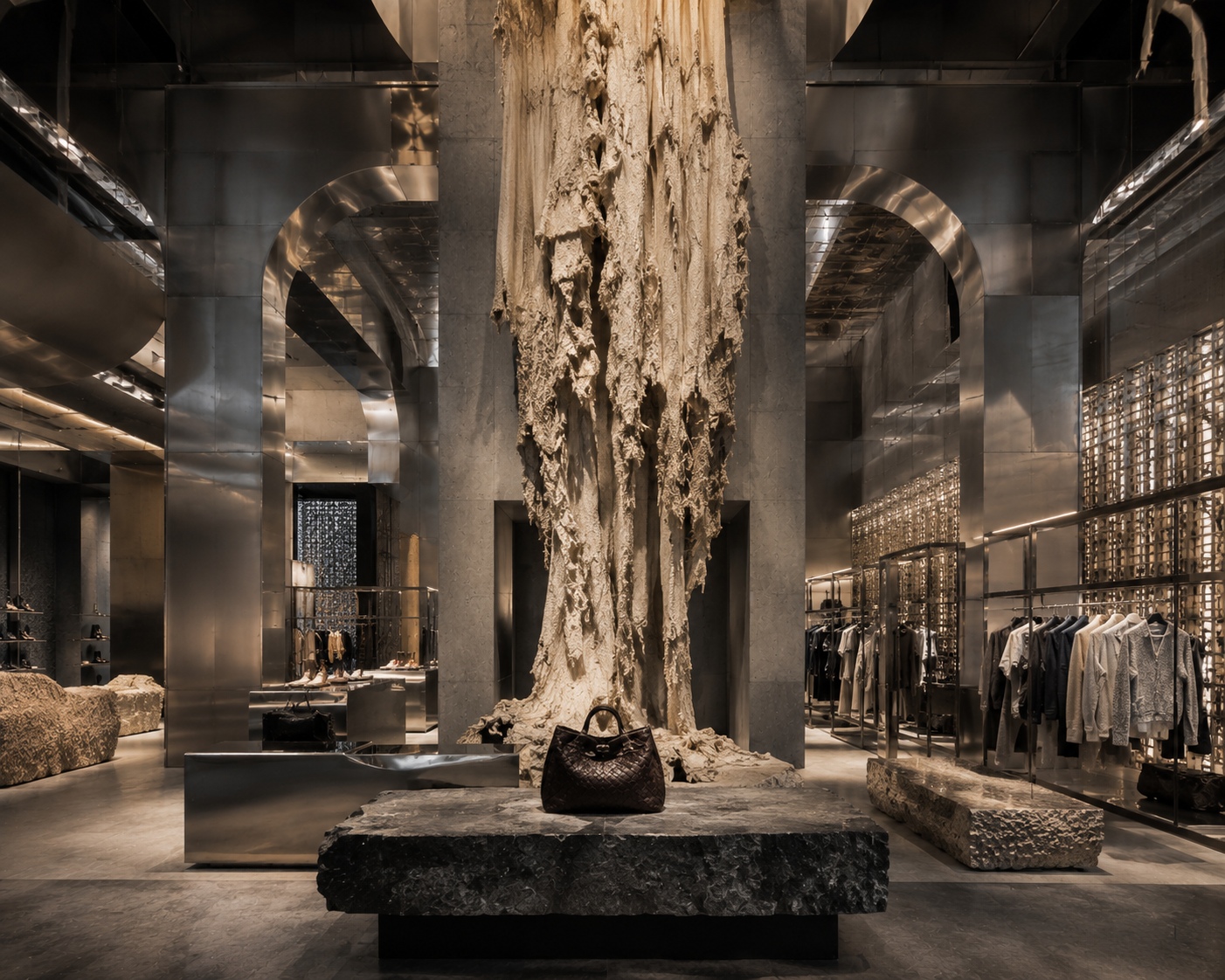
If spatial experiences represent the opportunity, retail and interior design is where that opportunity is either built into the architecture or lost permanently. Retail and interior design decisions are not reversed at the end of a campaign cycle — they persist for years. They are the brand argument made in the most durable medium available.
The failure mode is designing to brand guidelines rather than to brand identity. Guidelines tell you what colours to use. Identity tells you what the space should make someone feel, and what that feeling says about the brand's relationship to its customers, its cultural context, and its values. Those are not the same brief, and they require different collaborators.
Premium retail brands that have built genuine cultural authority — across Europe's fashion, automotive, and lifestyle sectors — share a consistent characteristic: their spaces are not generic. They carry a point of view. That point of view was not produced by a single agency working from a style guide. It was built through deliberate choices about material, craft, cultural reference, and the kinds of makers and artisans whose work informs the space.
5. OOH Advertising
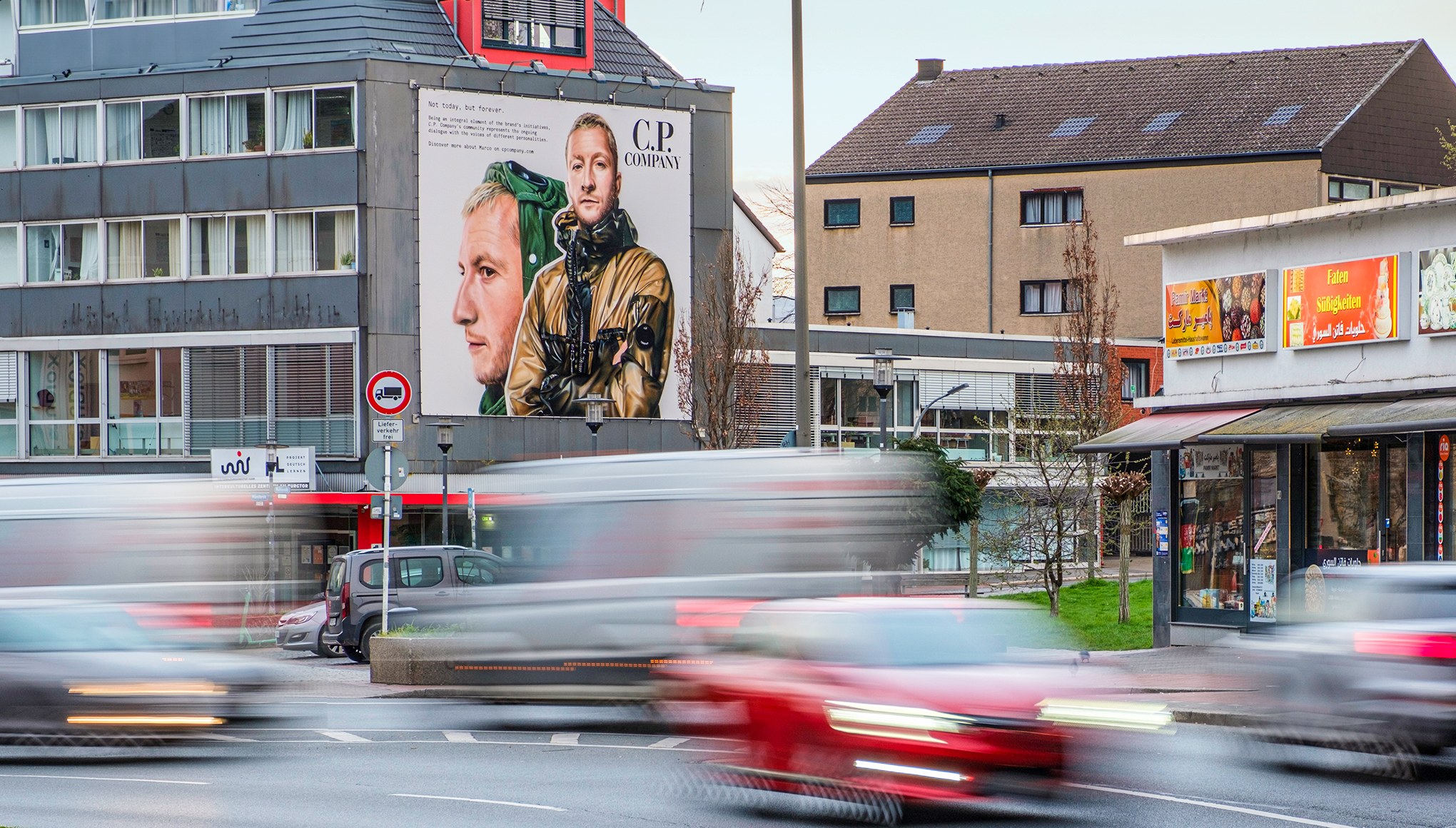
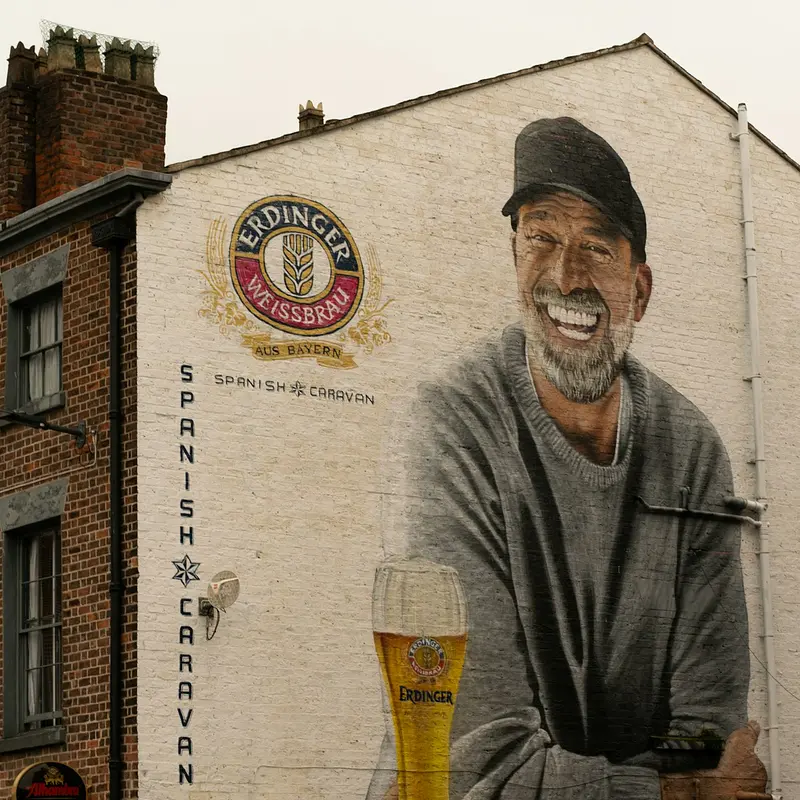
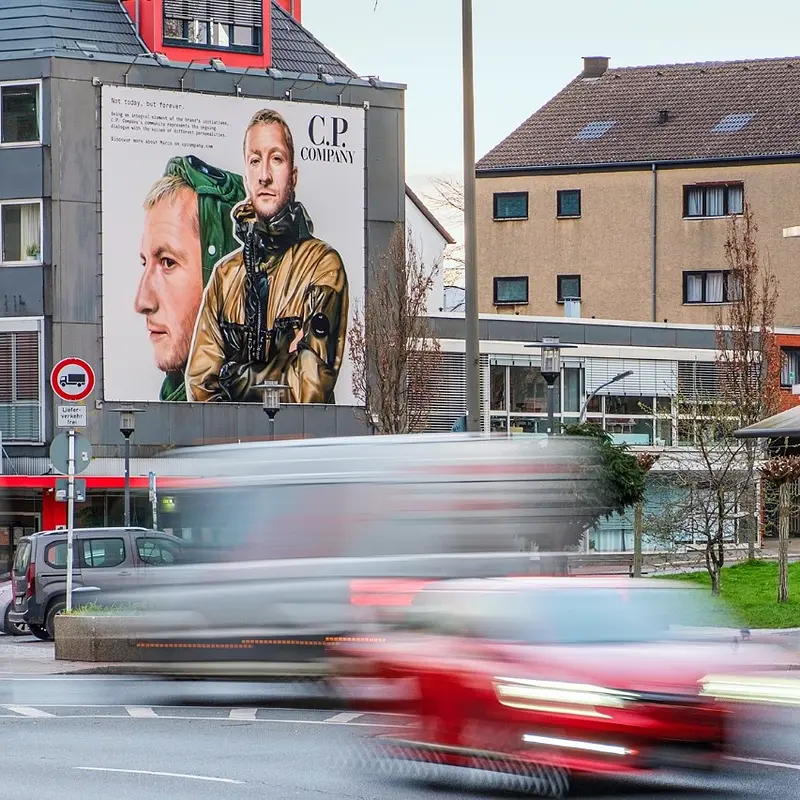
C.P. Company's 70-square-meter hand-painted portrait of Marco Reus in Dortmund — an OOH execution that functioned as a landmark, not a media placement. Produced by Basa Studio.
Out-of-home advertising is the oldest mass medium — and in a digital landscape saturated with targeted, ephemeral content, it has acquired a new strategic value. The physical presence of a brand in public space is, by definition, unblockable. But presence and impact are not the same thing, and most OOH executions achieve the former while missing the latter entirely.
The cultural opportunity in OOH is the possibility of making something in public space that people actually want to engage with. Not something they tolerate while waiting for the bus, but something that changes their experience of the street — a genuine landmark, even temporarily. That distinction requires a fundamentally different approach to execution: one that starts with cultural logic rather than media planning.
Basa Studio produced a verified example of this approach: a 70-square-meter hand-painted portrait of German football star Marco Reus for C.P. Company, installed at a major intersection in Dortmund near the DFB Museum and the city's central station. The work was executed with 100 spray cans over five days by artists selected specifically for their mastery of hyperrealistic portraiture at scale. The result was not an advertisement that people looked at. It was a landmark that people sought out, documented, and shared. The location was chosen not for impression volume but for cultural resonance — the convergence of football culture, civic space, and the brand's own identity in sportswear.
That is what differentiates cultural OOH from optimised OOH. The question is not where the most people will see it. It is where the right people will encounter it, in what context, and what they will feel.
6. Product & Packaging Design
Packaging is the only physical touchpoint that reaches every customer. The brands that treat it as a cultural moment rather than a container are the ones remembered.
Packaging is the only physical brand touchpoint that arrives in the hands of every customer — and yet most brands design it primarily as a container. Protective, on-brand, legally compliant. The cultural opportunity it represents is largely untouched.
A product or package that carries genuine craft — that uses material, texture, form, or visual language with intent — communicates something before it is opened. It signals investment. It creates a moment of anticipation. In a gifting context, it says something about the person giving as much as the brand selling. In a direct-to-consumer context, it shapes how the unboxing moment is experienced, documented, and shared.
What brands consistently underestimate is the compounding effect of packaging quality on perceived product value. The price a consumer is willing to pay for a product is not determined solely by the product. It is shaped by every sensory cue that precedes and accompanies it — and packaging is often the first physical signal the consumer receives. A brand that treats this touchpoint as a cost to be minimised is making a deliberate choice to compete on price rather than perception.
7. Exhibition & Fair Design
In a hall where every brand is competing for the same attention, the stand that communicates identity rather than product is the one people remember.
Trade fairs, design weeks, and cultural exhibitions represent a specific and underappreciated brand challenge: every competitor is in the same room, and the audience has come specifically to make comparisons. In this context, visual difference is not an aesthetic preference — it is a competitive necessity.
Most brands respond to this context with optimised stand design: brand colours, product showcases, meeting facilities. The stand communicates what the brand makes, but not who the brand is. In a hall full of stands that follow identical logic, the result is a visual noise from which nothing distinguishes itself.
The brands that own these moments do something different. They treat the stand as a spatial cultural statement — a three-dimensional argument about the brand's identity, values, and cultural position. In practice, that might mean commissioning a site-specific work from an artist with genuine relevance to the brand's world, using materials and craft techniques that echo the product itself, or structuring the space so that the visitor's experience of moving through it tells a story before a word is spoken. The stand is not a backdrop for products. It is itself a piece of deliberate design that communicates before a conversation begins. In an environment where every visitor's attention is a contested resource, that difference is the difference between being remembered and being forgotten.
8. Product Launch Experiences
A product launch that functions as a cultural moment writes the first chapter of a product's story in a way no press release can replicate.
A product launch is, in most cases, a brand's most concentrated opportunity to write the first chapter of a product's cultural story. The narrative established at launch — what the product means, who it is for, what world it belongs to — is extraordinarily difficult to revise once set. Brands that treat the launch as a logistics exercise, or as a press briefing with refreshments, consistently find themselves trying to rebuild narrative momentum that was never properly established.
The cultural opportunity at launch is to make the first encounter with the product a genuine experience — one that the people present remember not as a brand event, but as a moment. That distinction requires building the launch around something other than the product itself: a cultural context, a spatial environment, a performance or commission that gives the product a world to inhabit.
The experiential brand strategy mistake here is confusing production value with cultural depth. A launch can be technically impressive — lights, sound, spectacle — and still feel empty. What it needs is not more budget on logistics, but more thinking about what kind of cultural moment the product deserves, and who can create that moment with genuine substance.
Commissioned art occupies a category that most brand touchpoints cannot: it has independent cultural value. A piece of art that a brand commissions does not just represent the brand — it exists in its own right as a cultural object, with its own audience, its own critical reception, and its own life beyond the campaign brief.
This is the strategic distinction that makes branded art installations one of the highest-leverage touchpoints available to premium brands. When the work is genuinely strong, it earns cultural credibility that brand communications simply cannot purchase. The brand's association with the work is not advertising — it is cultural curation. That is received very differently by audiences who are sophisticated enough to notice the difference.
The failure mode is commissioning art as decoration. Work produced to fill a space, match a colour palette, or signal cultural awareness without genuine cultural engagement produces exactly the kind of hollow authenticity that audiences detect and reject. The brief for a branded art installation needs to be built around a real cultural question — one the artist is genuinely equipped to answer — not around brand guidelines.
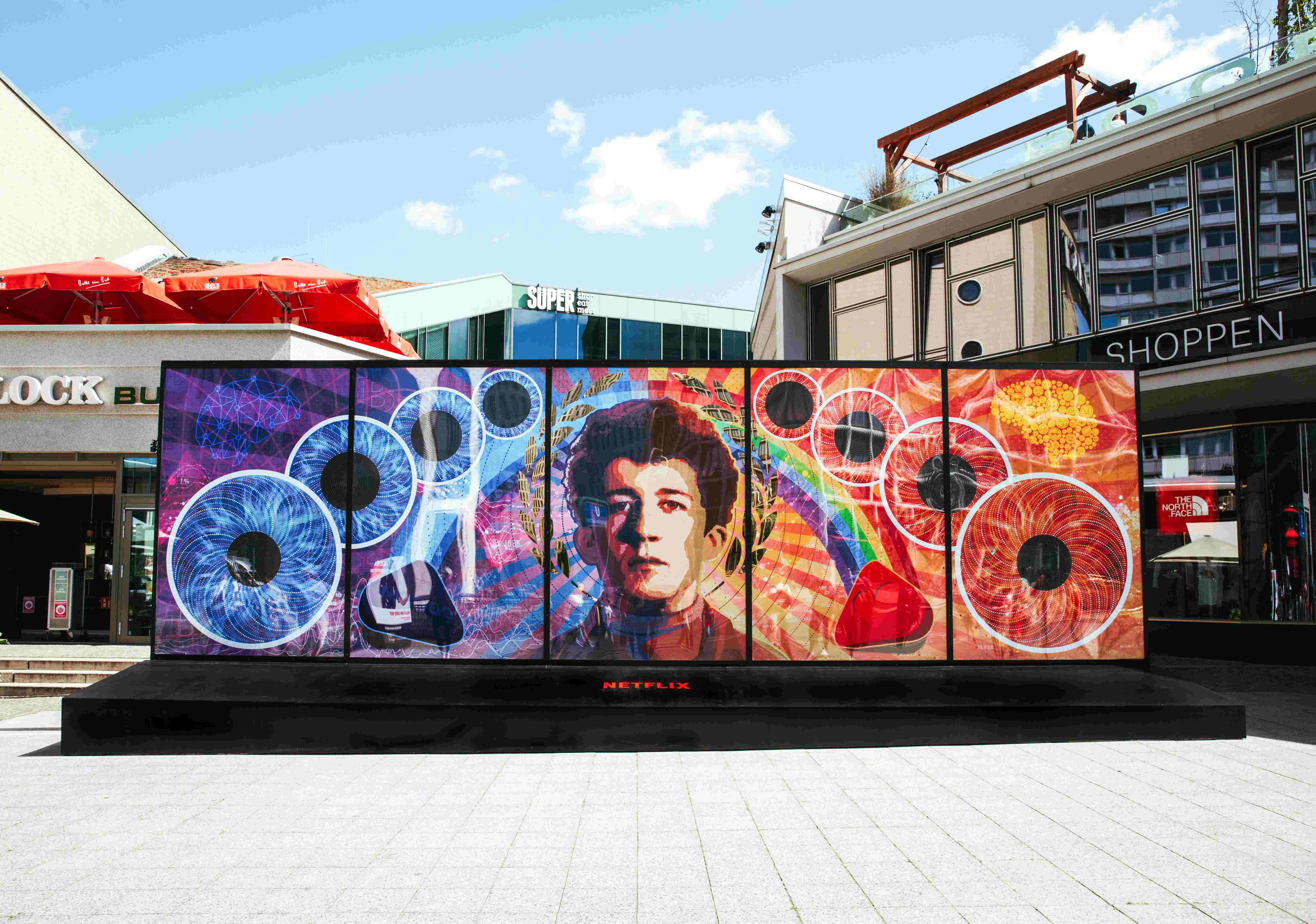
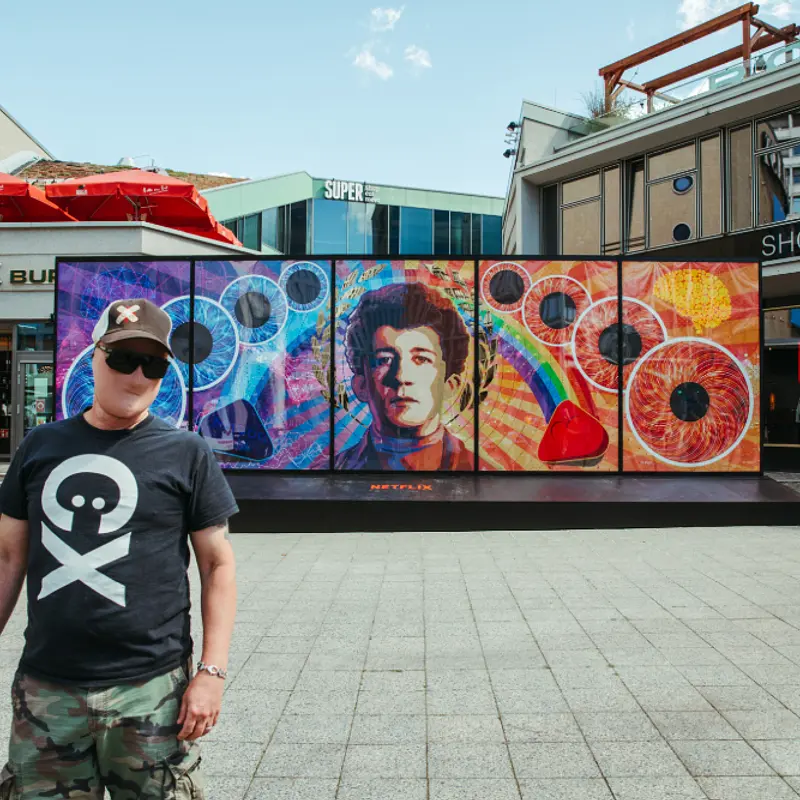
The Netflix x Chemical X project — produced end-to-end by Basa Studio at Bikini Berlin — demonstrates what happens when the medium is the message. To launch Season 2 of How To Sell Drugs Online (Fast), Netflix commissioned artist Chemical X to build a three-meter portrait of the show's protagonist from 130,000 fake ecstasy pills — each hand-placed into a precision-engineered aluminium and acrylic frame. The work ran for ten days. It drew consistent foot traffic from people who had heard about it before the premiere, earned international coverage including Designboom, and generated the kind of organic documentation that no media buy replicates. None of that happened because Netflix placed an ad. It happened because the commission had genuine cultural logic: the medium — legal art mimicking illegal substances — was the argument. That coherence between concept and execution is what separates branded art that earns cultural credibility from branded art that earns nothing.
10. Landmark Projects
A landmark project is the brand argument made in the most permanent medium available. It outlasts any campaign and any individual leadership tenure.
At the far end of the investment and ambition spectrum sit landmark projects: physical brand assets that outlast any campaign, any season, and often any individual leadership tenure. These are the initiatives through which brands embed themselves permanently in the cultural fabric of a city, an industry, or a community.
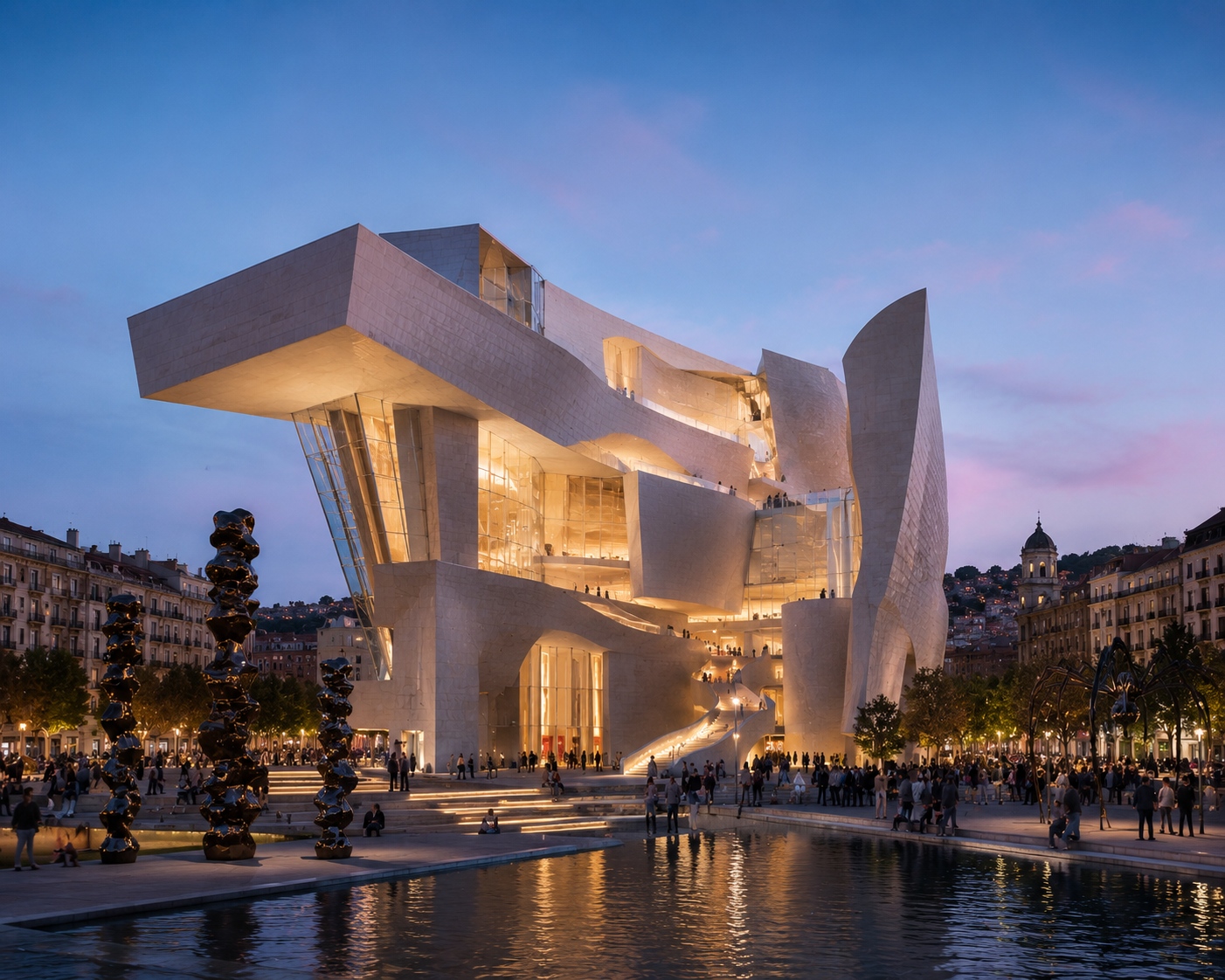
The concept is not abstract. When LVMH commissioned Frank Gehry to design the Fondation Louis Vuitton — inaugurated in Paris in 2014 after nearly 25 years of commitment to the arts — it was not producing a campaign. It was building a permanent cultural institution that now draws over one million visitors annually and anchors Louis Vuitton's identity as a cultural force, not merely a commercial one. That is not a marketing initiative. It is cultural infrastructure, and the brand equity it generates is genuinely generational.
For most brands, a landmark project is not the starting point. It is the horizon — the thing that becomes imaginable once the brand has built the cultural credibility, the internal commitment, and the external relationships to sustain it. But the direction of travel matters. A brand that has never invested in cultural depth at any touchpoint does not wake up one morning and commission a landmark. A brand that has been building consistently — through activations, installations, spatial investments, and exhibition work — develops both the capability and the credibility to take that step.
The question landmark projects ask of a brand is the same question that all cultural touchpoints ask, at greater scale and permanence: what do we want to mean in the world, and are we prepared to build it rather than just say it?
Choosing Your Entry Point
Most brands start with one touchpoint. The most culturally authoritative build consistently across several, compounding cultural depth over years.
The ten touchpoints above are not a to-do list. They are a strategic landscape — and the right entry point for any given brand depends on three things: the brief, the audience, and the brand's current cultural position.
A brand with strong product distribution but limited cultural identity might start with packaging — the touchpoint closest to the product and the one most immediately under the brand's control. A brand preparing for a major market entry or repositioning might start with a product launch experience, using that moment to write a new cultural chapter. A brand operating in a competitive category where physical retail is the primary purchase environment might prioritise in-store displays or retail design. A brand that has the spatial footprint and the budget to make a statement might go directly to a branded art installation or spatial experience.
None of these is wrong. The wrong answer is choosing a touchpoint based on trend rather than strategy — commissioning an art installation because they are fashionable, or investing in an activation because a competitor did one. Cultural depth is not produced by following the category. It is produced by making decisions that are coherent with the brand's specific identity, audience, and long-term ambition.
The other variable is sequence. Some touchpoints compound each other: a brand that has invested in retail design has a physical identity to draw on when designing an exhibition stand. A brand that has built credibility through branded art installations has a cultural frame of reference that makes its activations feel substantive rather than promotional. The single-touchpoint investment has its own logic and its own return. But the brands that achieve genuine cultural authority almost always got there through consistent investment across multiple touchpoints over time — not through a single ambitious project.
The Long-Term Strategy: Compounding Cultural Authority
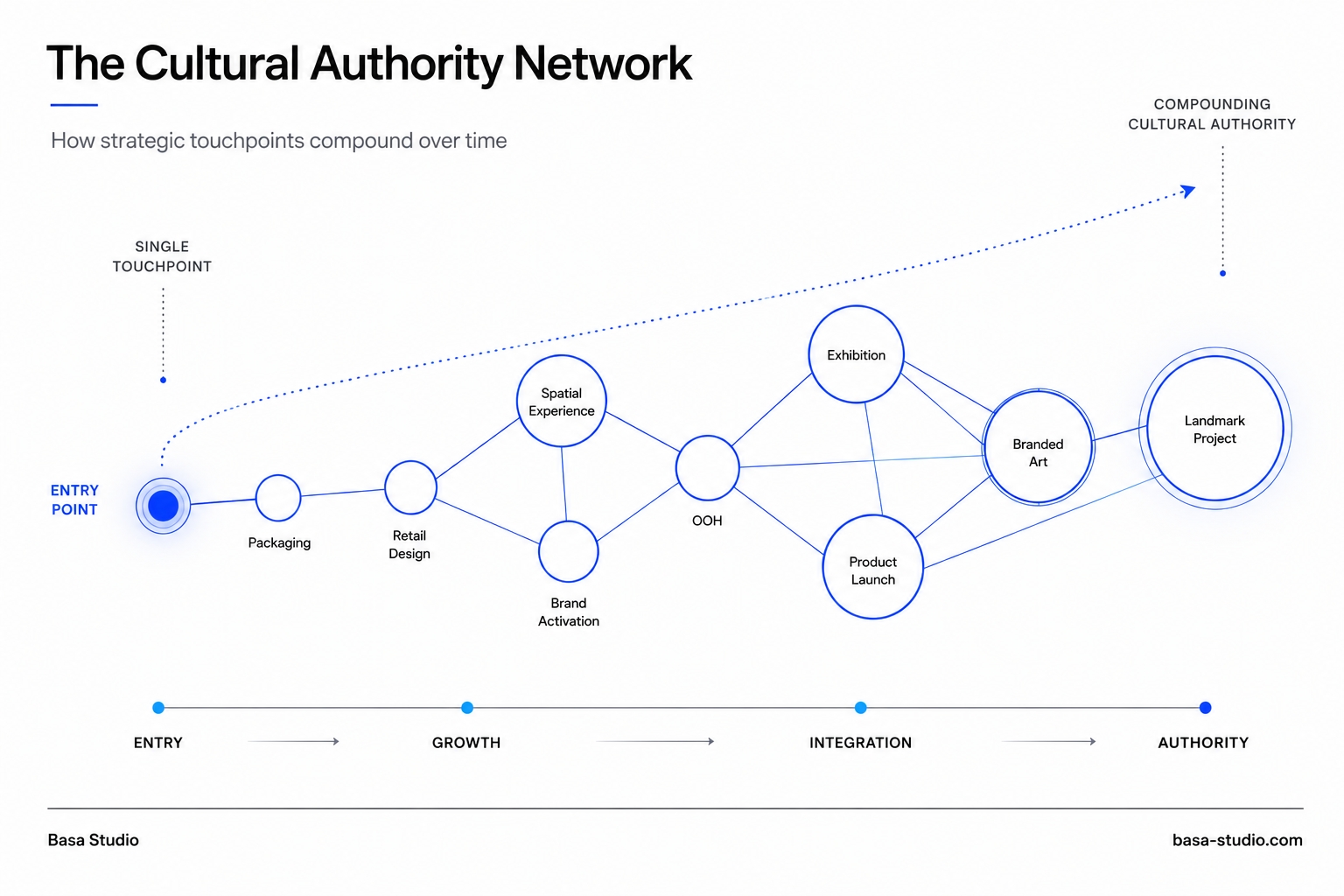
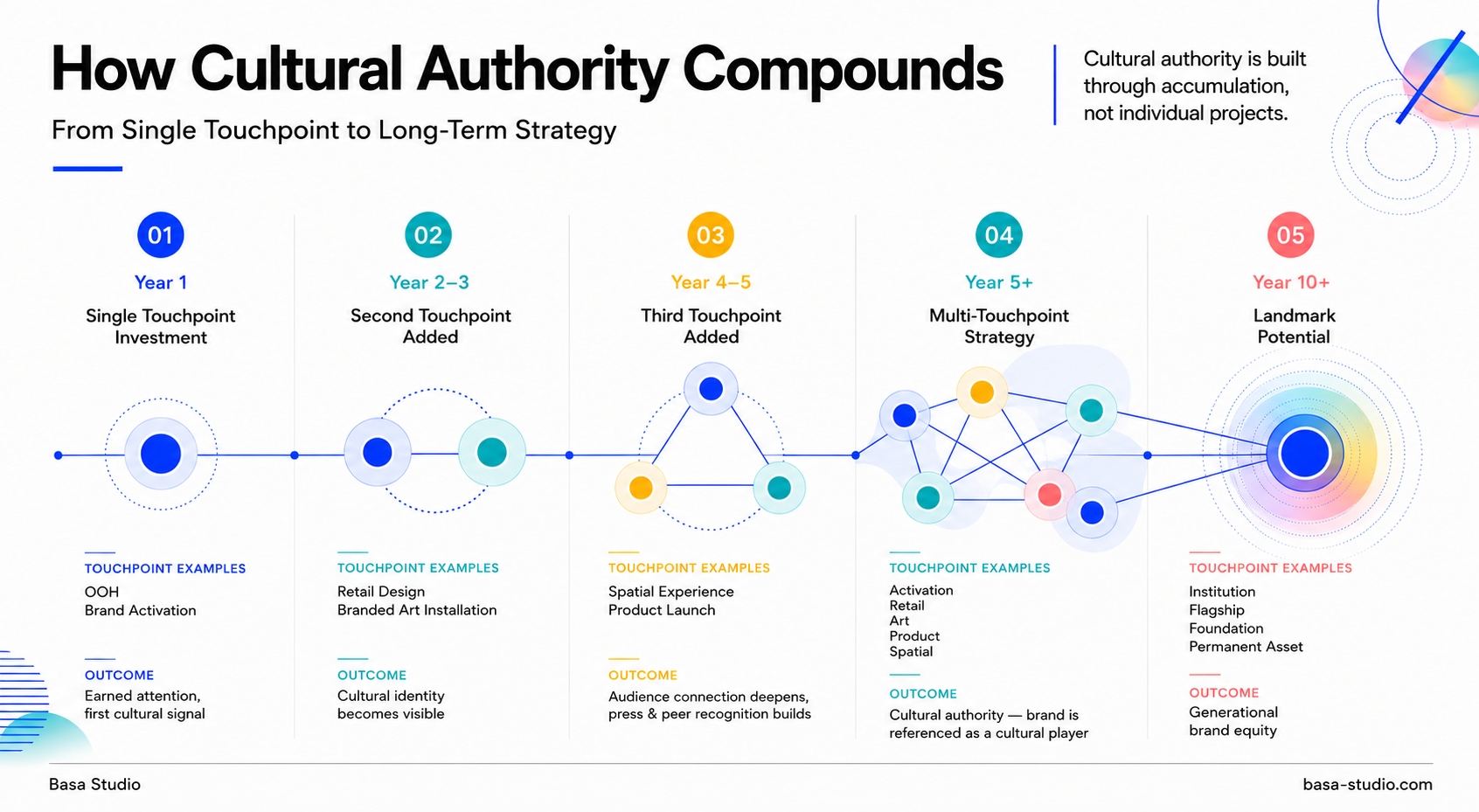
Infographic showing how brand cultural authority compounds over time through consistent investment across multiple physical and experiential touchpoints.
The most culturally authoritative brands in Europe did not achieve that status through a single campaign, activation, or installation. They built it through consistent, coherent investment in physical and experiential touchpoints over years — in some cases, decades. The data supports this: Kantar BrandZ analysis tracking over 22,000 brands across 54 markets consistently finds that brands with stronger equity grow their brand value faster than peers — and that the brands which maintain consistent perceptions over time generate a measurable incremental growth advantage. Over a 20-year period, the world's most valuable brands have outperformed the S&P 500 and MSCI World Index, with Kantar BrandZ's head of research attributing this directly to sustained investment: "brands are built on ongoing exposure and experiences."
What makes this compounding work is coherence, not volume. A brand that invests in ten touchpoints with no connecting cultural logic is not building authority — it is generating noise. Authority comes from investments that reinforce each other: spatial language that echoes packaging language; installation work that draws on the same cultural references as retail design; launch experiences that feel like natural extensions of the brand's ongoing cultural commitments. When those threads are visible, audiences — including the press, cultural institutions, and the brand's own industry peers — begin to read the brand as a cultural player, not just a commercial one. That reading is itself a competitive asset.
The second dimension of long-term brand touchpoints strategy is institutional knowledge. Brands that have been investing in cultural touchpoints for years develop in-house expertise — curators, cultural strategists, relationships with artists and makers — that is genuinely difficult to replicate quickly. A brand that starts that investment now is not just buying a campaign. It is beginning to build a capability.
For CMOs and brand directors operating under quarterly pressure, this framing can feel abstract. It is not — and it's only becoming more relevant as where cultural brand building is heading next reshapes how premium brands think about long-term investment. The question is whether the brand is investing in touchpoints that compound or touchpoints that expire. A paid social campaign expires the moment the budget stops. A landmark project, a retail design, or a branded art installation does not. The investment horizon is different; so is the return.
The case for this investment is made in detail in our analysis of the ROI of cultural brand building — but the short version is this: brands that build cultural depth at physical touchpoints do not just earn more attention. They earn a different kind of attention — from the audiences, institutions, and media that shape how a brand is perceived over the long term. That is the return that no click-through rate can measure, and no competitor can buy overnight.
Basa Studio creates brand experiences rooted in cultural depth — from strategy through execution. If you are considering where to invest in physical and experiential brand touchpoints, talk to us.
Related creative stories
Browse through other features, interviews and guides to discover creative brand collaborations, meet innovative artists and creators, find out how new artforms are energizing advertising, & more.
We're excited to hear from you! If you're looking for artistic solutions for your next creative marketing campaign, send us your briefing. We can also help create a killer concept if you're in an early ideation phase. Check out our services for more.
Send your briefing
About you
THANK YOU
Your inquiry has been sent
We have received your inquiry. We'll get back to you within 24-48 hours to discuss your project. If you need urgent assistance, reach us on WhatsApp: +49 176 432 64506. In the meantime, we invite you to explore our insights, case studies, and lessons from building culturally grounded brand experiences.
Please contact us by phone if you're not able to reach us via this form.
THANK YOU
We have received your inquiry. We'll get back to you within 24-48 hours to discuss your project. If you need urgent assistance, reach us on WhatsApp: +49 176 432 64506. In the meantime, we invite you to explore our insights, case studies, and lessons from building culturally grounded brand experiences.
We use cookies to help empower our artists and make them accessible to clients. Check out our Privacy Policy and Terms of Service to see how your data can make a difference.