7 AR artists who are raising the bar for augmented reality art
7 AR artists who are raising the bar for augmented reality art
Nickolas Menescal
Share on
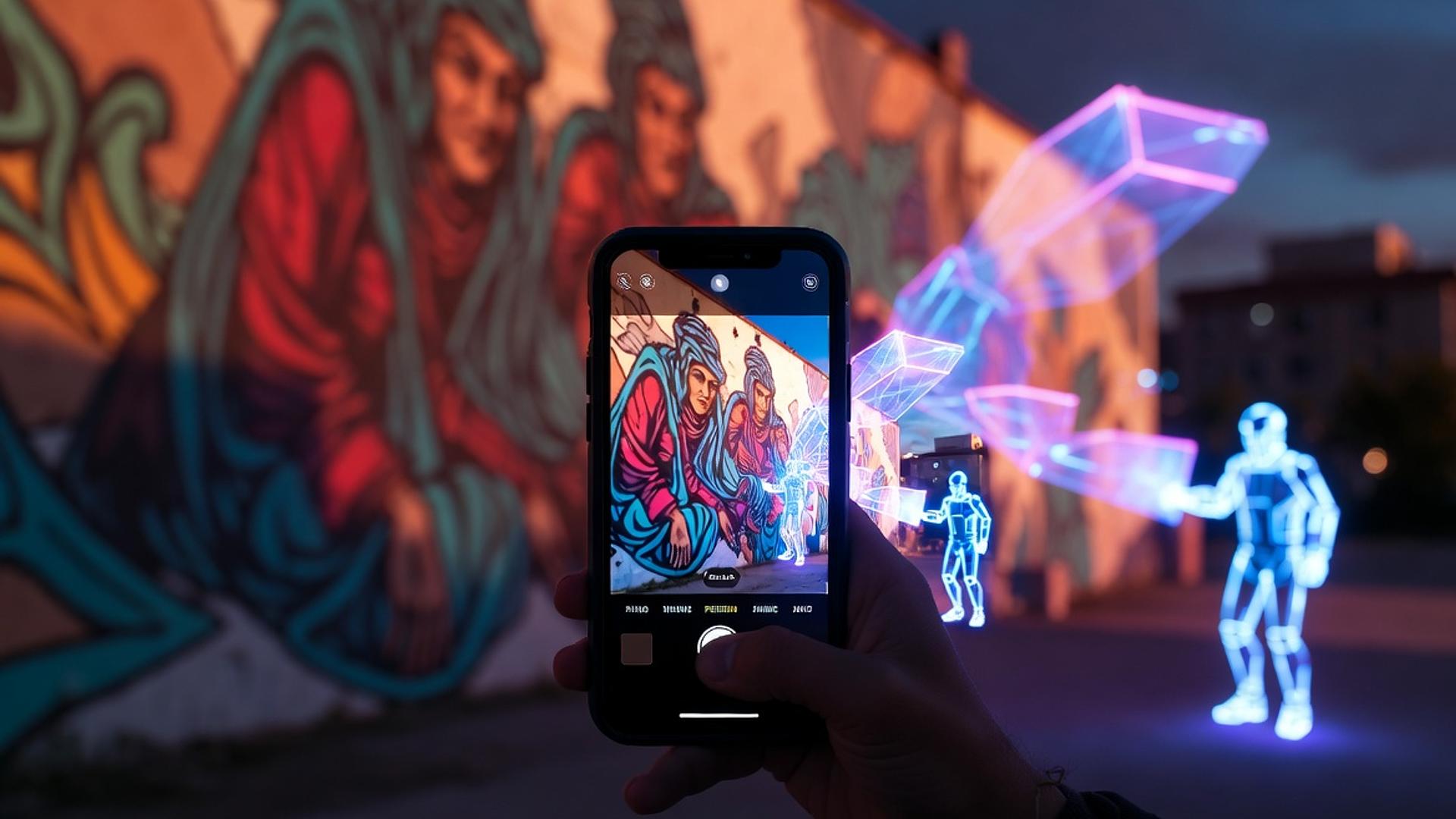
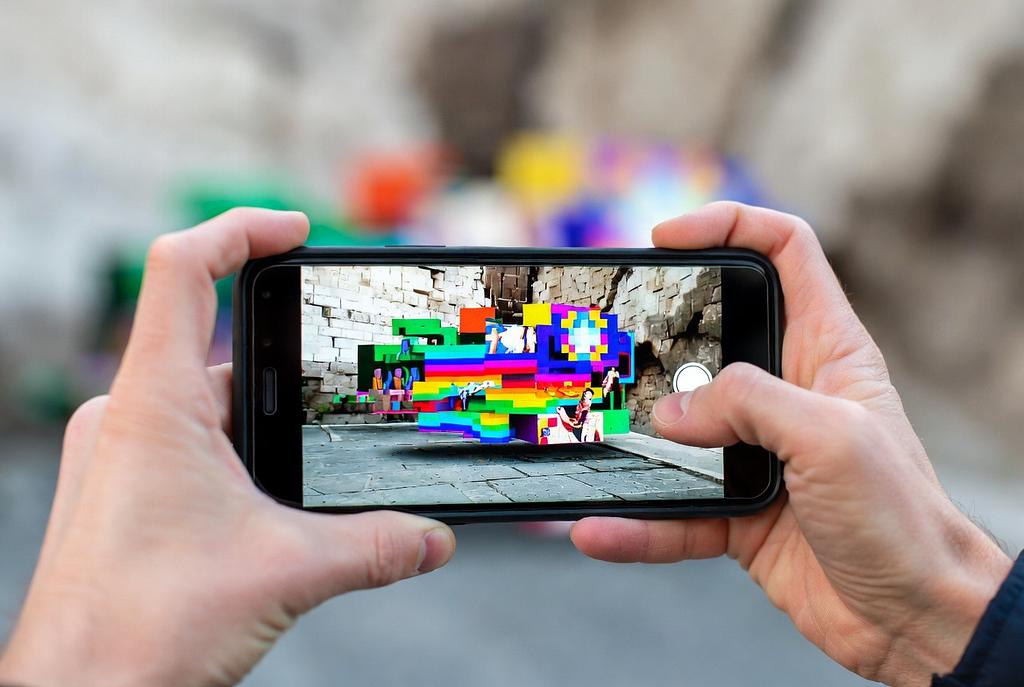
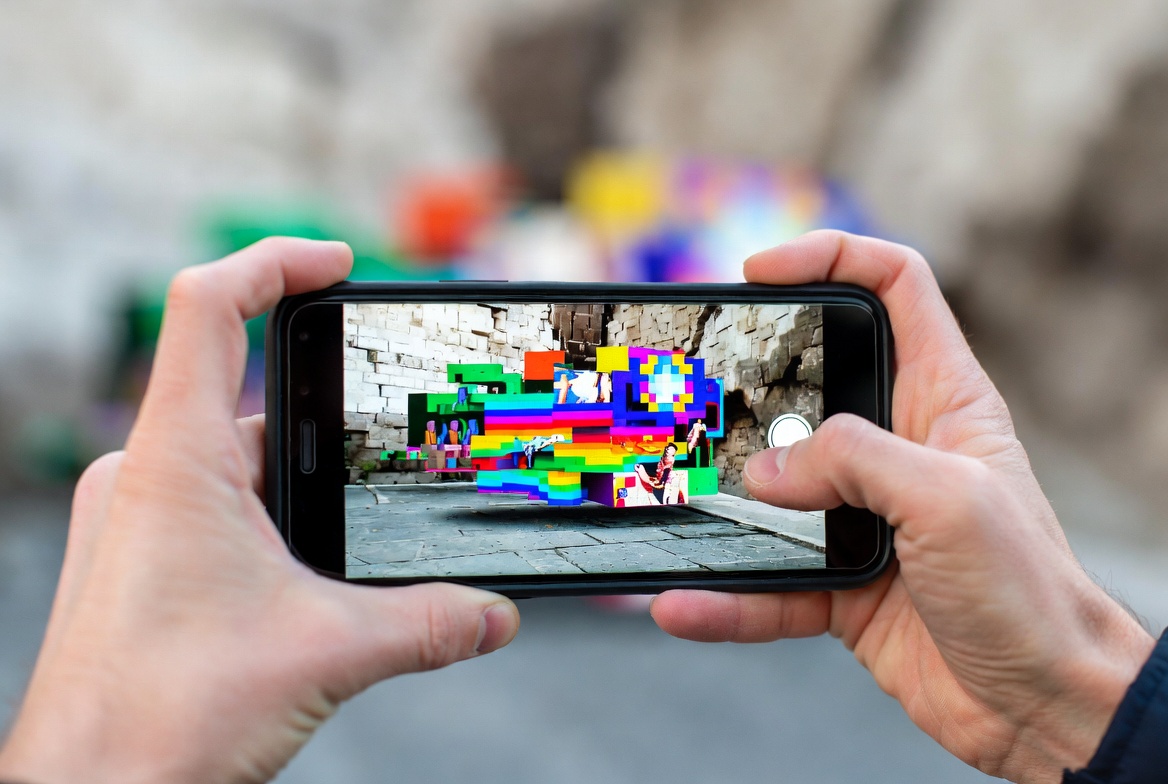
With augmented reality art and AR marketing trends on the rise, it’s safe to say that the demand for AR artists will soon increase drastically. Augmented reality technology is an enormous, powerful, and revolutionizing storytelling tool that is changing the way artists and companies brand themselves. In this article we’ll present a few AR artists who have already dared to experiment with this technology, bringing you examples of how AR and art can interact and exemplifying the strong impact augmented reality can have in advertising.
Augmented reality transforms the ordinary into the extraordinary — all it takes is a lens and an artist willing to reimagine what the world can look like.
Most of these AR artists disclose their artistic processes and share the tools they use to craft their works, so we most definitely encourage you to check them out – and dare you to create works as engaging as these.
Bond Truluv's AR Muralism
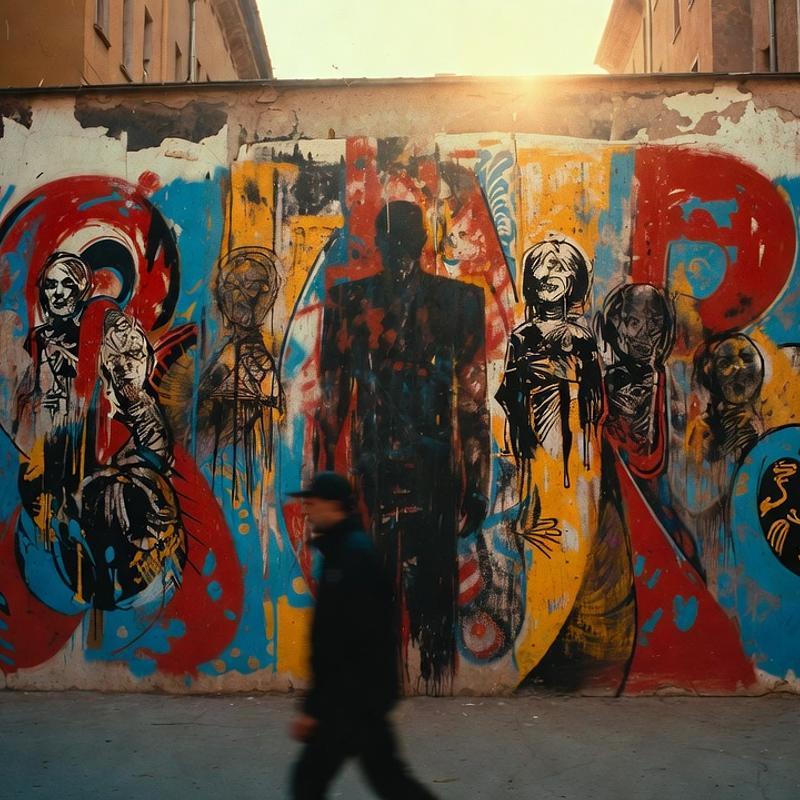
Bond Truluv — born Jonas Ihlenfeldt in Germany in 1981 — began his practice writing graffiti at the turn of the millennium and has since become one of the most technically ambitious muralists working today. His artistic map spans Europe, Africa, and Asia, where he found cultures that embrace street life as a public forum, absorbing the atmospheres and emotions of each place into his work.
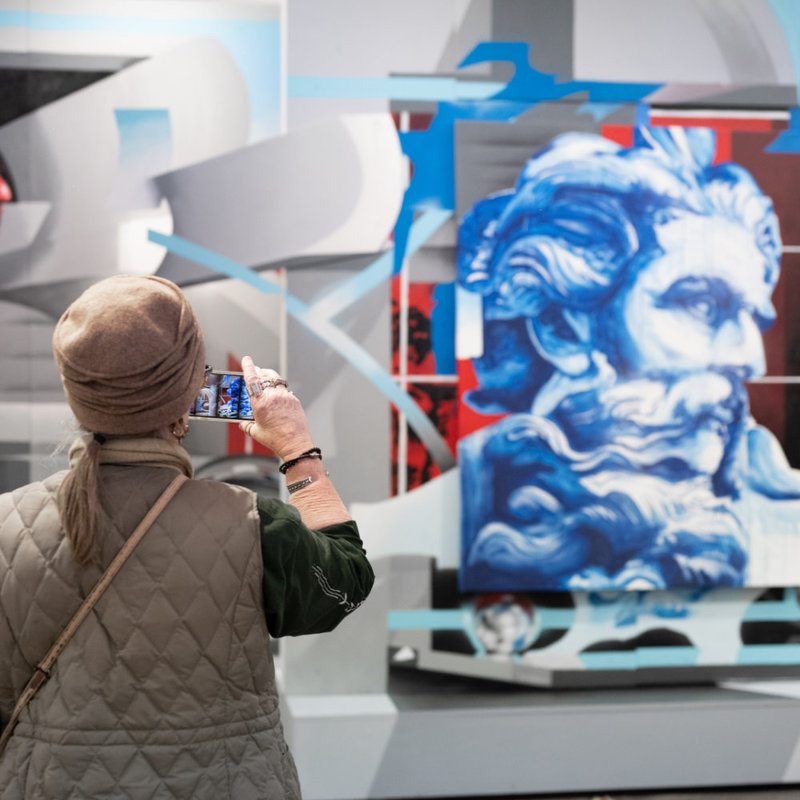
What makes Bond stand apart is that he was the first graffiti artist to embed augmented reality animations directly into his murals — a distinction that has since become central to his creative identity. Using 3D software like Blender and Unity, he builds digital layers that match precisely onto his painted pieces, so that when a viewer points their phone at the wall, the mural doesn't just sit there. It moves, morphs, and breathes.
His Point and Click series exemplifies this approach — a set of AR-enhanced AR graffiti murals where depth, dimension, and architectural illusion combine with animated overlays that make the boundary between wall and world feel genuinely unstable. Bond describes AR not as a gimmick but as a tool that allows him to tell a much more interesting story.
For brands and cultural institutions exploring what augmented reality can do in public space, Bond Truluv's work is essential viewing.
Susi Vetter is a Berlin-based AR artist and former Adobe creative resident who also gives us brilliant social media filters. She’s created impressive psychedelic and surrealist masks that make you wish you could wear them outside the virtual realm.
Despite doing an amazing job at creating these virtual masks, that’s not where her focus lies. Vetter describes herself as an illustrator, multimedia artist, and digital product designer; she focuses on telling immersive stories while blurring the lines between physical and digital realities. Her pieces feel incredibly relatable and seem to blend gloomy motifs in a soft and delicate way. Her AR works vary from simple doodles to intricate and elaborate collage-style drawings. She has a wonderful way of combining shapes, colors and lines to create a world that makes us see nature in a new light.
On social media, Vetter often mentions the programs she uses to craft her digital work, and she sometimes exposes parts of her workflow and creative process, which are always inspiring to see. She’s keen to pass on her knowledge and offers in-person or remote AR and illustration workshops. While viewing her work, you may come across some great collaborative pieces made by Susi and other digital artists; it would be wonderful to see what she and our next AR artist on this list could design together!
Edgar Saner's Cultural AR Muralism
Mexican artist Edgar Saner — born Edgar Flores in Mexico City in 1981 — has spent over three decades developing one of the most distinctive visual languages in street art. His murals are populated by human-like figures wearing traditional Mexican garments and Nahual masks, characters drawn from Mesoamerican folklore that speak to themes of identity, nature, and the relationship between humanity and the mystical world. His work has appeared on walls from London to New Delhi, always carrying a sense of cultural rootedness that generic muralism never achieves.
In 2023, Saner brought this world into augmented reality as part of a landmark collaboration with Google Arts & Culture, Adobe Aero, and Global Street Art — a project that used Google's new Geospatial Creator tool to layer interactive AR directly onto physical murals in three cities simultaneously. In Mexico City, Saner's mural depicting human-like figures in traditional Mexican garments came alive when viewed through a phone, natural scenes awakened, trees and mystical animals emerged, and the relationship between nature and humankind played out in real time against the concrete of the city.
The project captured perfectly what makes Saner's AR work different: the technology doesn't replace the cultural depth of the mural, it extends it. As the team behind the project described it, working with Saner opened artists to new challenges, with the hope that other creatives would use these tools to tell their own stories.
His work demonstrates something important for any brand thinking about AR activations: the technology is only as meaningful as the story behind it.
Andrew Wilson’s AR lettering art (Letters Pray)
Andrew is a lettering AR artist who takes playing with light, shadow and depth to another level. His work is extremely polished and – dare we say – impeccable. Because depth is already such an impactful characteristic of his 2D works, his use of augmented reality enhances this element in his art, making his work feel even more realistic and detailed. His ability to recreate texture in his lettering adds to the realism, from vintage-looking wood to shiny or rusty metal.
Those starting to experiment with AR can read about his creative process and be inspired by the short time-lapses showing how he makes his hand-drawn pieces, viewable on his Instagram account. If you look beyond the mesmerizing skills and technique, you’ll notice that his pieces are also casually political and reveal a lot of Andrew’s ideals. You’ll find yourself reading words and expressions like “Equality”, “Let’s Be Allies”, “Vote” and “Oh No She Better Don’t”,to mention just a few. It’s brilliant to see artists using their skill to boost important campaigns, and we’re excited to see what Wilson does next.
Tristan Eaton's AR Brand Collaborations
Los Angeles-based Tristan Eaton is one of the most commercially fluent street artists alive — a muralist, illustrator, and toy designer whose work sits permanently in the collection of the Museum of Modern Art in New York and whose brand partnership history spans Nike, Versace, Pepsi, Hublot, and SpaceX, among many others. He has spent decades proving that artistic integrity and commercial collaboration are not mutually exclusive — and his move into augmented reality extends that argument into new territory.
In 2023, Eaton was selected by Google Arts & Culture, Adobe Aero, and Global Street Art as one of three artists worldwide to pilot Google's new Geospatial Creator tool — an AR platform that anchors digital experiences directly to physical locations in the real world. His mural in downtown Los Angeles became the canvas for a project that combined his signature patchwork portraiture with his own AI-generated GEMMA art collection, creating a hybrid of hand-painted craft and algorithmic imagery that launched into AR when viewed through a device. The eye-catching AR elements were developed in collaboration with Adobe Aero and Google Arts & Culture, with the result described by the team as "eye-popping" — a rare case where the hype was justified.
What Eaton's practice shows is that the most powerful AR brand collaborations happen when the technology serves an artist's existing visual world rather than defining it. His long track record of choosing collaborations based on authentic connection — not just commercial appeal — is a lesson the industry would do well to learn from.
Ian Curtis's Spatial AR Architecture
Ian Curtis — known online as XR Architect — is a product designer and creative technologist working at the intersection of design, engineering, and artificial intelligence. With a background in architecture, he brings a spatial and systems-based perspective to augmented reality that most AR creators simply don't have: he thinks not just about what appears on screen, but about how digital and physical space relate to each other, and what it means for a virtual object to feel truly grounded in the real world.
His work on platforms like 8th Wall explores WebAR experiences that require no app download — just a browser and a phone — making his experiments unusually accessible. Among his most striking projects is The Infinite Door Portal, a real-time AR experience powered by generative AI that creates a doorway to wherever the viewer can imagine, using the Blockade Labs API to render infinite worlds based on a simple text prompt. It's playful, technically impressive, and conceptually rich — the kind of work that makes you reconsider what a threshold between spaces can mean.
More recently, Curtis has been working with gaussian splat technology to visualise redesigned physical spaces in AR with startling realism, exploring how the built environment can be previewed, reimagined, and communicated through spatial computing. For brands investing in retail experience, spatial design, or physical brand activations, his practice points toward a future where AR becomes the primary tool for imagining spaces before they are built.
His work is a reminder that augmented reality isn't only for campaigns. Sometimes it's a new way of seeing the world we already inhabit — and changing it before we ever pick up a paintbrush.
Marc O Matic’s AR World
Marc O Matic has everything it takes to become a solid pop culture icon. He has managed to create a whole world so unique and true to his aesthetic that anyone who’s familiar with his work can immediately recognize it. By mixing pen drawings with innovative technology, in tones of copper and metal, his style feels like a fresh reinvention of steampunk, one fitting for this day and age. All these elements are heightened with supporting sound design that helps shape the storytelling elements of his AR work.
There’s also a recurring sense of anonymity when it comes to how Marc presents his persona online, which can be seen with other pop culture artists like Daft Punk, and more recently Corpse Husband, who use art to disguise their true identity and let the audience truly dive into the fantasy of their world. You can find explanations on Marc’s socials of how he creates his works, and he’s currently developing a new generation of NFT crypto AR art that we’re looking forward to seeing.
At the end of the day, no matter how you decide to brand and advertise your company, there will be a way to incorporate AR into the work. Like these AR artists mentioned above, we encourage you to get creative and try it – not only because of the promising rewards of AR marketing campaigns, but also because it will allow you to think of art, storytelling and branding in new ways and the outcomes could be revolutionary.
Related creative stories
Browse through other features, interviews and guides to discover creative brand collaborations, meet innovative artists and creators, find out how new artforms are energizing advertising, & more.
We're excited to hear from you! If you're looking for artistic solutions for your next creative marketing campaign, send us your briefing. We can also help create a killer concept if you're in an early ideation phase. Check out our services for more.
Send your briefing
About you
THANK YOU
Your inquiry has been sent
We have received your inquiry. We'll get back to you within 24-48 hours to discuss your project. If you need urgent assistance, reach us on WhatsApp: +49 176 432 64506. In the meantime, we invite you to explore our insights, case studies, and lessons from building culturally grounded brand experiences.
Please contact us by phone if you're not able to reach us via this form.
THANK YOU
We have received your inquiry. We'll get back to you within 24-48 hours to discuss your project. If you need urgent assistance, reach us on WhatsApp: +49 176 432 64506. In the meantime, we invite you to explore our insights, case studies, and lessons from building culturally grounded brand experiences.
We use cookies to help empower our artists and make them accessible to clients. Check out our Privacy Policy and Terms of Service to see how your data can make a difference.