What makes a collaboration between a luxury brand and an artist more than a marketing exercise? For social anthropologist Dr. Federica Carlotto, the answer lies in the deeper meaning behind the partnership — and in what it reveals about the brand itself.
In her research on luxury and art collaborations, Carlotto examines how brands engage with culture, from the commercial appeal of an artist's work to the values, communities, and creative practices that shape a more meaningful relationship. In conversation with Basa Studio, she discusses what distinguishes art washing from genuine cultural alignment, why a brand's mission matters, and how creativity is reshaping the relationship between luxury, art, and consumers.
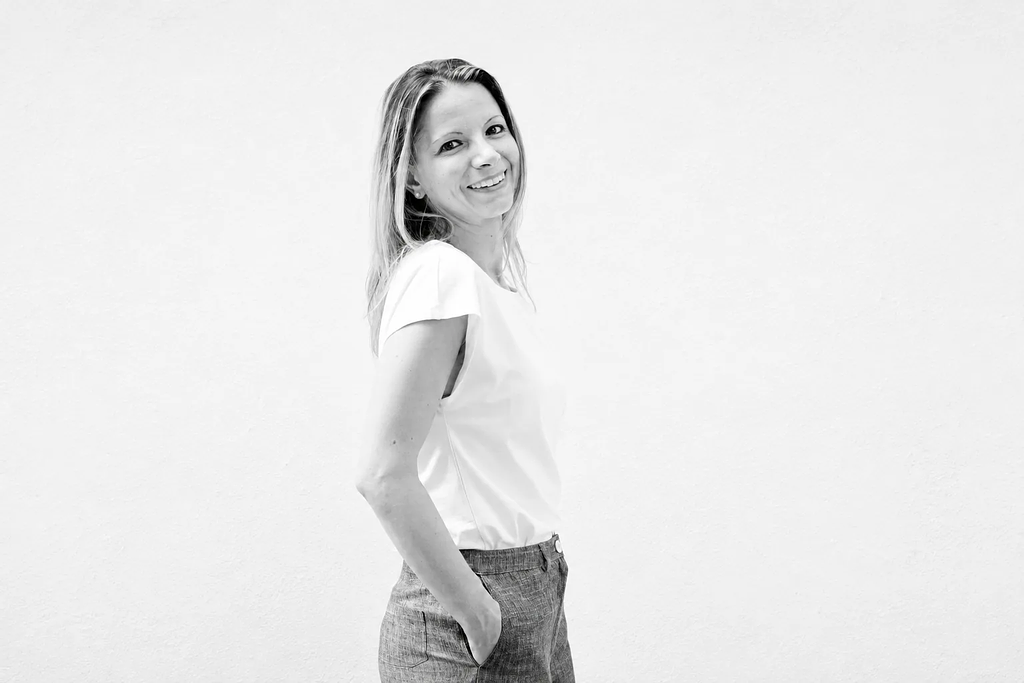
Cultural Strategist | Luxury Insights | Author | Programme Director MA Luxury Business @ Sotheby’s Institute of Art. Anthropologist Federica Carlotto.
Why Luxury-Art Collaborations Face Skepticism
Carlotto's approach begins with how she understands economic value itself: as a reflection of the value a society develops. As a social anthropologist, she has always viewed business as a kind of "people's venture." Luxury, in this framing, isn't simply about the cost of an item or the power of a brand — it reflects deeper social and cultural trends that shape why we appreciate one object over another.
That perspective shaped how she approached her research into luxury-art collaborations. As an example, she points to Louis Vuitton's collaboration with Jeff Koons — a partnership she saw the art world largely treating with skepticism, as a marketing operation for a luxury brand to leverage the cultural power of art for commercial ends. From the luxury side, she describes a similar instrumental view — the collaboration understood as a tool to strengthen the brand.
That question — whether these collaborations reflected genuine cultural strategy or simple trend chasing — became the starting point for her research: an inquiry into what luxury-art collaborations reveal about consumer behavior, social value, and the changing relationship between people and consumption.
What's the Clearest Signal of Art Washing?
For Carlotto, one of the clearest distinctions between art washing and a deeper cultural collaboration is the relationship between the initiative and the brand's mission. The question isn't simply whether a brand is working with an artist, how much money is involved, or whether the collaboration produces a visually striking campaign — it's whether the engagement makes sense in relation to what the company is fundamentally about.
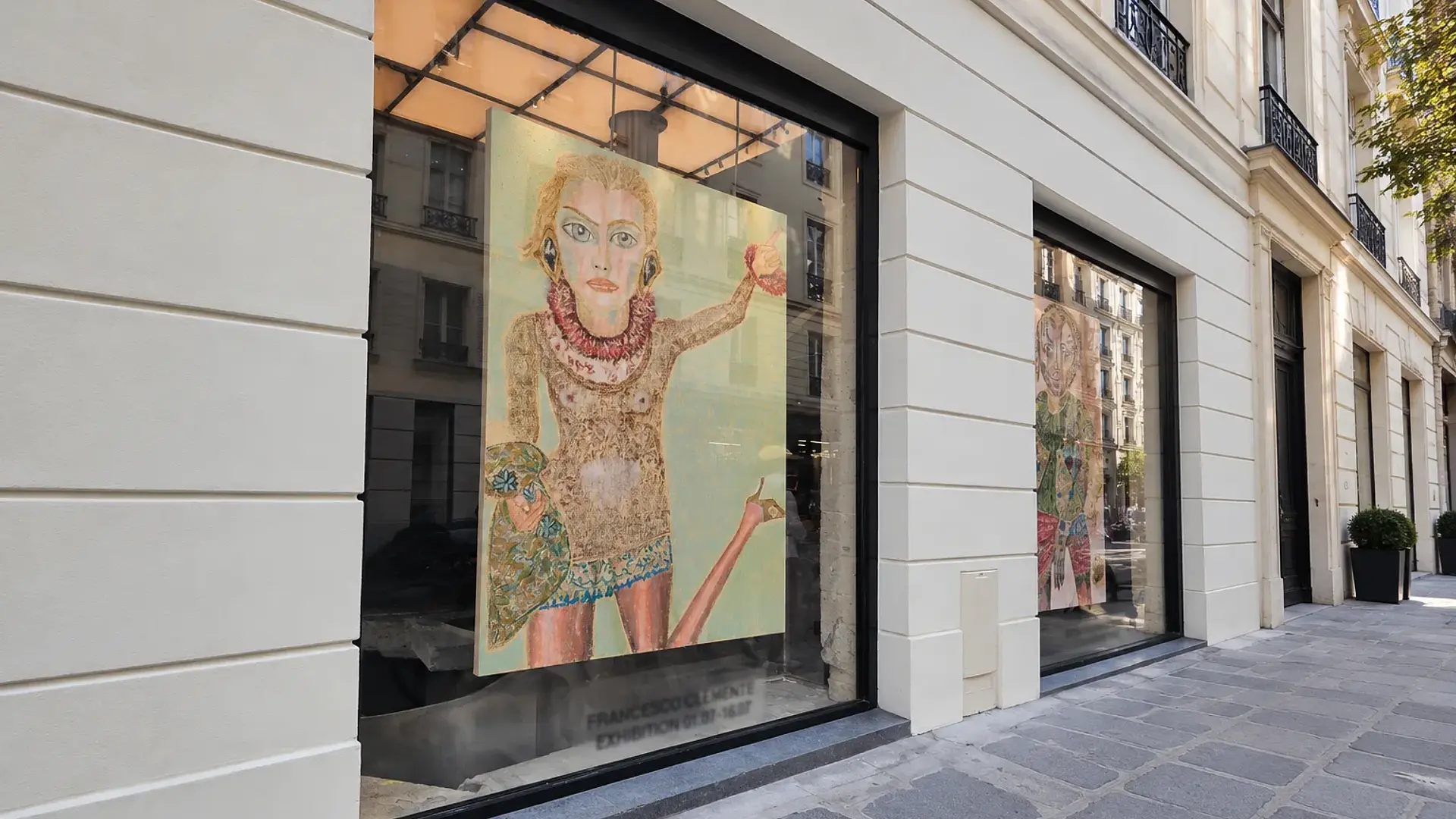
She points to Hermès: a brand that, in her account, doesn't consider itself primarily a luxury brand, but one defined by craftsmanship and the art of making. "When your mission is not to sell a handbag, but to care about craftsmanship," she says, "it makes sense for them to engage in initiatives that promote that craftsmanship." She cites Hermès enlisting an artist to decorate its windows on New Bond Street in London as one example. The distinction matters: a collaboration rooted in craftsmanship isn't necessarily an extension of the product itself — it's an expression of a value that already sits at the center of the brand.
Bulgari came up in the same context — cultural initiatives that extend beyond the object and its commercial function, tied to the brand's broader mission and values. As Carlotto puts it, the alignment with a brand's core mission and values is what distinguishes collaborations that are deeper in meaning from ones that amount to "everybody's doing it, and so I will do it as well." That's the foundation of cultural authenticity in luxury marketing, in her view: not the size of the gesture, but its source.
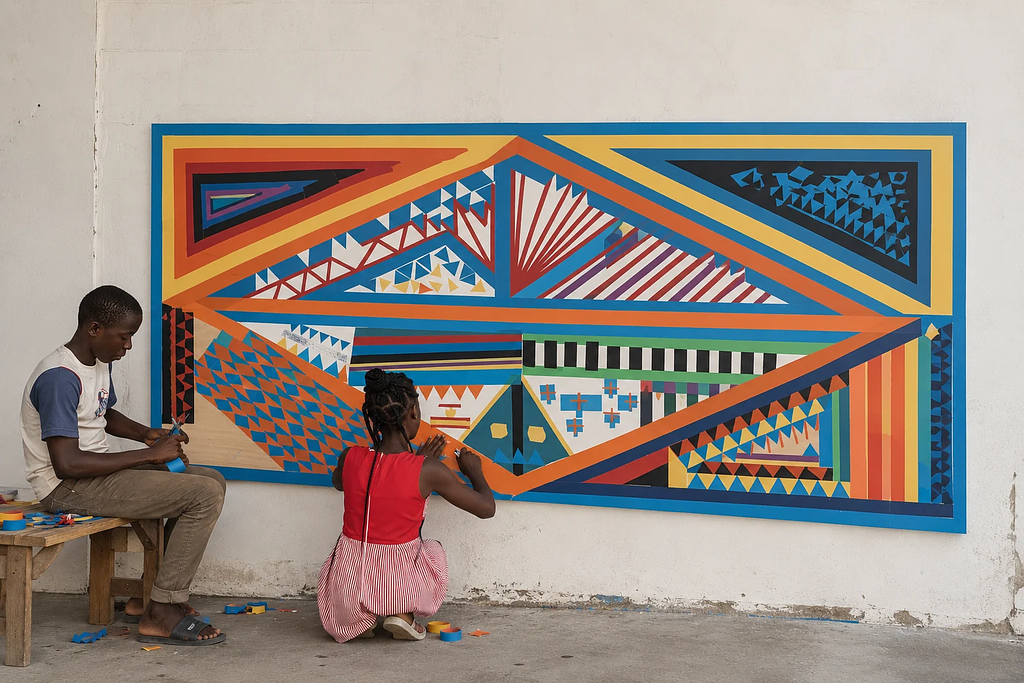
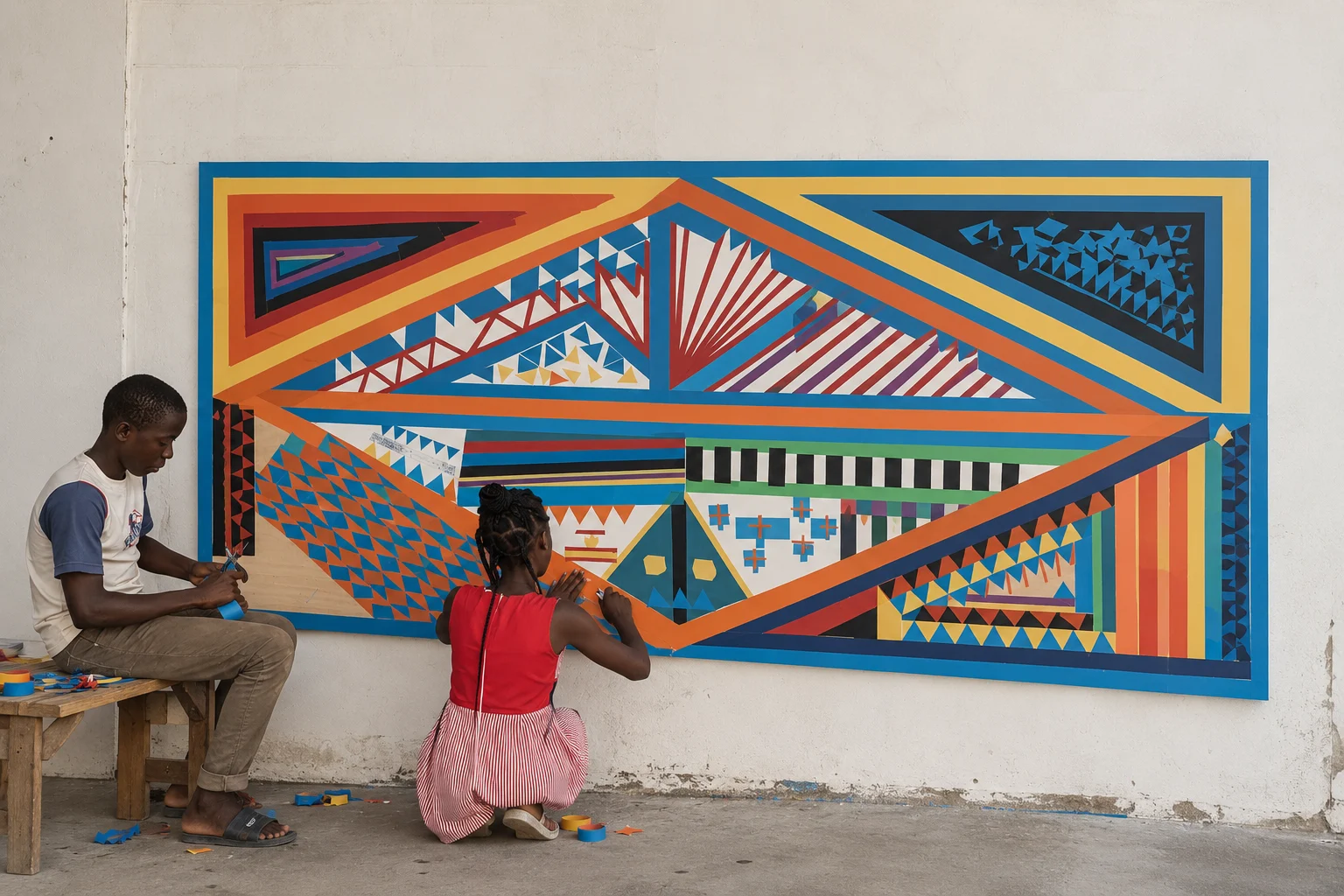
Meaningful cultural collaborations are built through shared creative processes, where brands and artists find common ground rather than simply commissioning an outcome.
What Does Genuine Cultural Alignment Actually Require?
Mission is one starting point. But for Carlotto, genuine cultural alignment also depends on how a brand understands its audience, its community, and its relationship with the artist.
Community Over Audience
The first marker is thinking in terms of community rather than audience. "It's not anymore the global campaign," she explains. "Probably it's a sponsorship of a specific artist in a specific location. So it's the local community." An audience is a demographic to reach at scale; a community is engaged on a local, specific level — a different starting point for what the collaboration is for, and who it's meant to reach.
Finding Common Ground With the Artist
The second marker is power balance. Carlotto points to the imbalance that can exist when a company commissions an artist and then dictates the outcome — a more meaningful collaboration, she argues, requires understanding what the artist does and finding common ground between the two parties, rather than dictating what the artist has to do. The question isn't only what the artist can bring to a brand — it's also what the brand can contribute to the artist, and what the two are trying to communicate together. As she frames it, that means asking not just who the brand is, but who the artist is, and what messages both sides are actually trying to deliver.
Which Luxury-Art Collaborations Get This Right?
Asked for collaborations that illustrate what real cultural alignment looks like, Carlotto names two: Aesop and Moncler — brands that show what mission-first alignment looks like when it's structural rather than seasonal. In both cases, she points to the importance of leadership, organizational culture, and a mission that goes beyond the product itself.
Aesop: Reimagining Retail Through Craft
Carlotto describes Aesop as a brand that helped reinvent retail in the beauty sector, particularly through its use of local artisans and craftspeople in the design of its stores — its website documents the different crafts behind individual locations, evidence, in her view, of a company approaching its physical spaces through a broader cultural vision rather than simply decorating a store. She describes leaders who operate this way as "semantic engineers" — builders of meaning, not just product.
Moncler: Creativity at the Core
Moncler illustrates the same principle from another angle. She describes how CEO Remo Ruffini moved the company away from seeing itself simply as a producer of puffer jackets and winter wear, and toward seeing creativity as central to what the brand was doing — a shift that led to the Moncler Genius project, inviting musicians, designers, and other creatives to reinterpret the brand's core product. But the collaboration didn't stop there, she explains: it also required changes to the organization itself — looser production timelines, room to test and debrief ideas, a flatter internal structure. "Whenever collaborations are deeply rooted in the brand DNA and supported by the leadership," she says, "this actually goes a long way." For Carlotto, Moncler's example shows how a collaboration can become part of a wider corporate culture, rather than a project the marketing department manages alone.
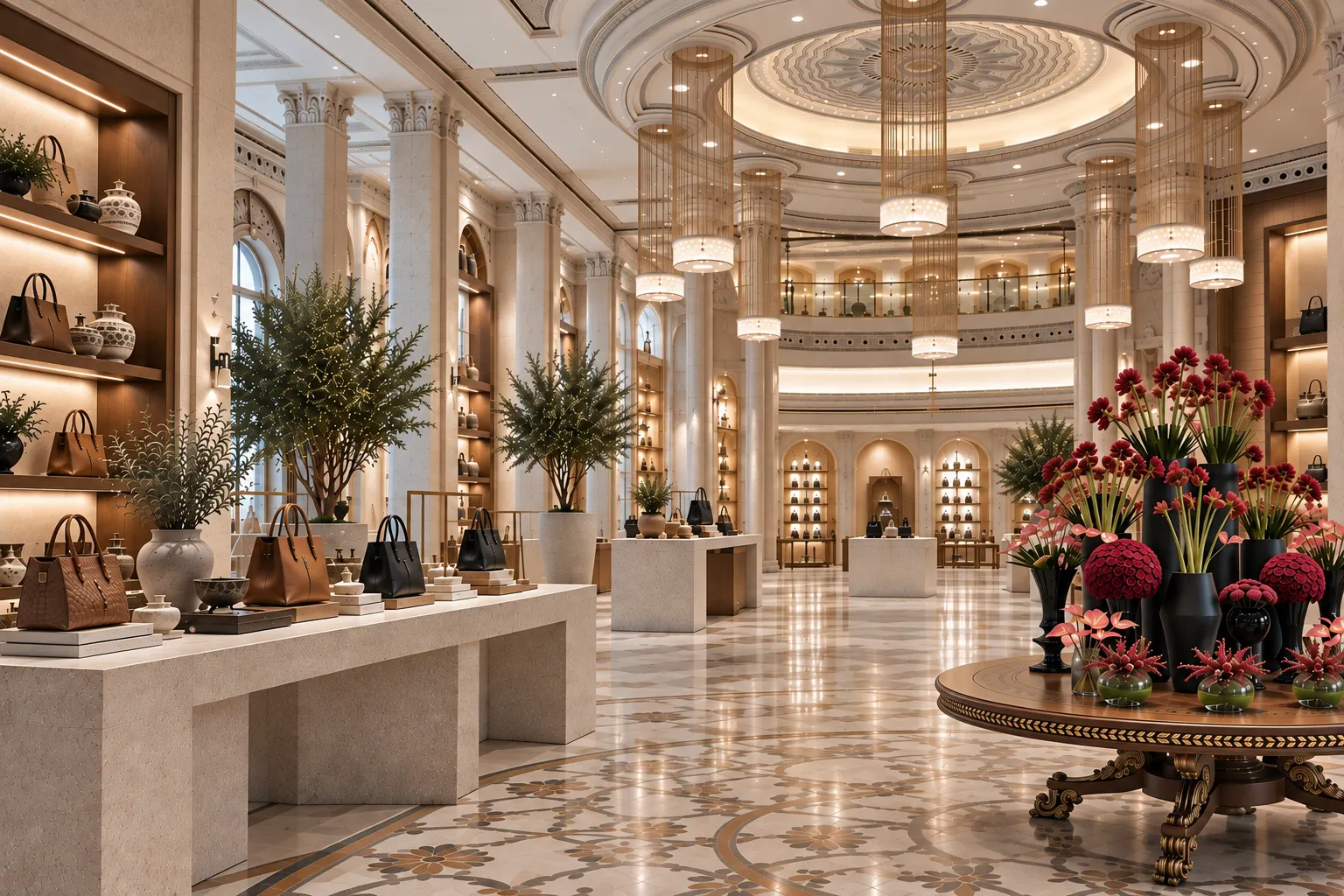
A retail space becomes more than a place to sell when craftsmanship and cultural meaning are built into the experience. Original photo taken by the Basa team. Modified with AI.
How Is AI Changing the Value of Creativity in Luxury?
The conversation also turned to the changing relationship between consumers, creativity, and luxury. Carlotto describes today's consumers as operating on what she calls "Instagram logic" — scrolling for whatever appeals to them next, with far less default loyalty than brands could once count on. "We are not as loyal anymore," she says, "unless these brands remind us that they are creative, they are there, they surprise us."
She connects that shift to the rise of AI and the changing meaning of human creativity — as technology increasingly challenges what makes people unique, she argues that creativity becomes a way of reflecting on what it means to be human. As she puts it, a luxury brand finding original ways to move across sectors is what makes it memorable and relevant to people now. For Carlotto, creativity isn't limited to producing an object or an artwork — it can also be found in how a brand approaches its mission, its spaces, its relationships, and its place within culture.
Cultural Capital in Luxury: Status Symbol or Gateway to Art?
The relationship between luxury and art is also complicated by cultural capital — the way cultural knowledge, taste, and affiliation can carry social meaning beyond a product's price. Luxury items associated with artists or cultural institutions can function as symbols of affiliation with a particular cultural world. But Carlotto is cautious about treating this purely as a negative development.
"The risk of saying, 'I don't do this because this is commercializing the old master,' is actually closing the door for people to potentially get interested in that artist," she says. A consumer encountering an artist's work through a luxury product may go on to seek out that artist directly; a collaboration criticized for commercializing art can also become a route into it. She raises the example of museums and how art is communicated to people who don't already have an interest in it — traditional displays can feel distant, particularly to younger visitors, and she wonders whether tools like QR codes or interactive apps could make the experience more accessible. The same question, she suggests, applies to luxury-art collaborations: rather than staying closed off to commercial engagement, these relationships can sometimes bring people closer to culture. As she puts it, art lives as long as it's relevant to us.
What Is the Hybrid Luxury Retail Experience?
Carlotto's research also extends into the changing relationship between physical spaces, luxury, and culture. She describes the concept of "hyperphysicality" — physical places enriched through technology and human touch, rather than replaced by either.
The idea reflects a broader shift in how consumers experience retail. Online shopping makes it possible to compare prices and buy without visiting a store — but physical spaces offer something different. Before the pandemic, Carlotto says, the assumption was that retail was dying — that physical stores were becoming obsolete. The pandemic upended that assumption. "We realized that actually we do need spaces," she says.
As she explains it, going into a retail store today is maybe not so much about buying things, but about seeing what the brand is about. A luxury store, in this view, becomes part of the universe of the brand — a space that functions as the brand's strongest statement, offering something intangible: a moment of surprise, a sense of delight, an experience that stays with the visitor after they leave.
This is where the idea of a hybrid luxury retail experience becomes interesting to Carlotto: a store that also functions as a gallery, a cultural venue, or a space for creative programming. But there's a practical tension, as she puts it bluntly: space equals money. Dedicating square footage to cultural programming means dedicating less space to selling product.
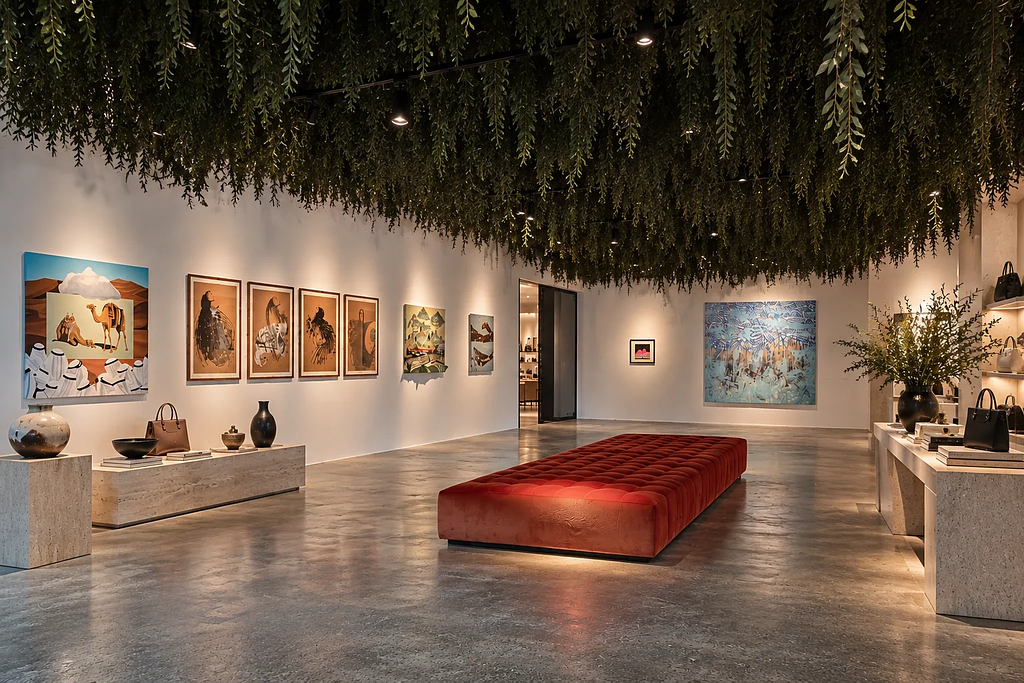
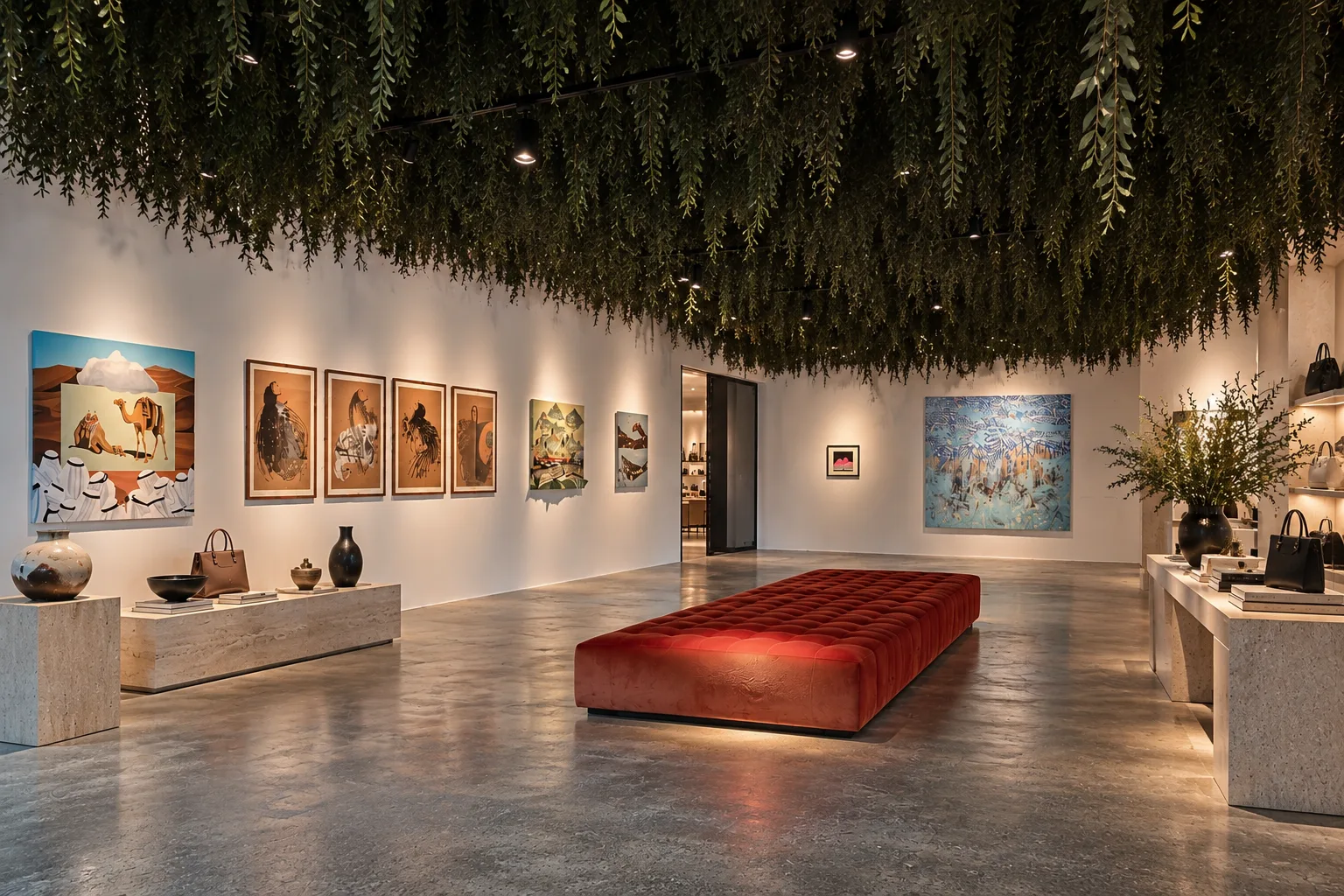
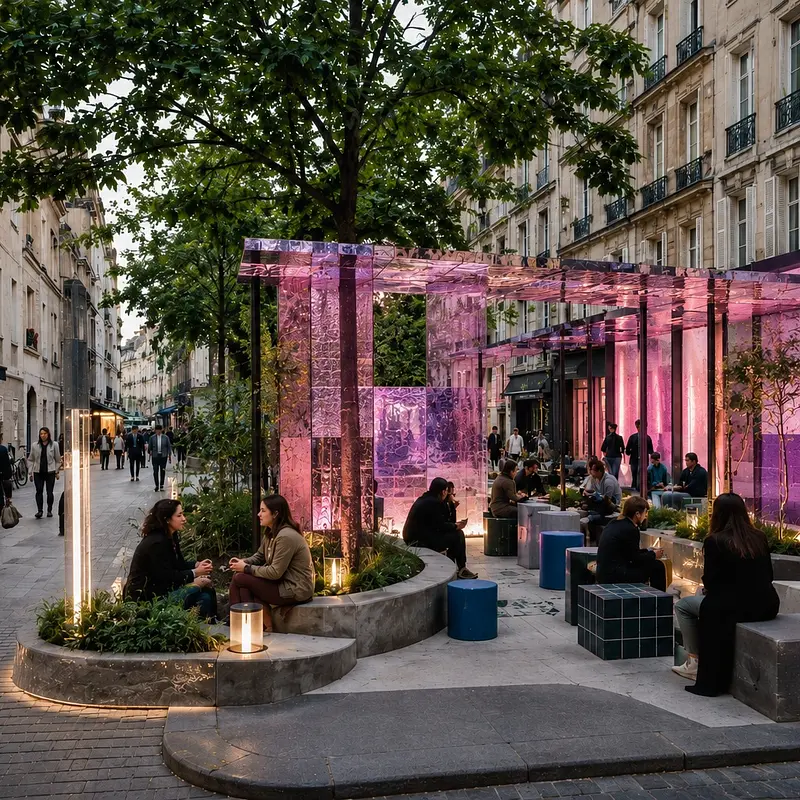
A hybrid retail environment where art, culture, and luxury commerce become part of the same physical experience. Original photo taken by the Basa team. Modified with AI.
Carlotto points to different models brands use to balance the two:
Pop-up formats
Dedicated spaces that let brands create immersive brand environments without restructuring their main retail operation.
Flagship stores with cultural zones
Existing retail spaces that carve out specific areas for cultural programming while keeping their core commercial function intact.
Fully hybrid spaces
Retail, culture, and experience brought together as part of one integrated brand environment.
Her point isn't that one model is universally right — brands are experimenting with different ways to create experiences that respond to what people want from physical spaces. The store becomes another way for a brand to build an ecosystem, or universe, for the people it wants to reach.
The Line That Actually Matters
Across the conversation, what separates genuine cultural alignment from art washing, in Carlotto's account, isn't scale, ambition, or visibility. Her examples point to something more structural: a brand's mission, its relationship with the artist, the community it engages with, and the organizational changes that support the work.
The question isn't simply whether a luxury brand collaborates with an artist — it's whether the collaboration has a reason for existing beyond the immediate marketing opportunity. For Hermès, that reason traces back to craftsmanship. For Aesop, it shows up in the use of local artisans and the design of its retail spaces. For Moncler, it's tied to creativity at the core of the brand and the organizational changes that allowed the Genius project to take shape.
For Carlotto, that structural test is what distinguishes brands built for lasting cultural brand building from those chasing a single campaign moment.
Perhaps the most useful place for brands to begin isn't with the campaign — but with the mission.
Related creative stories
Browse through other features, interviews and guides to discover creative brand collaborations, meet innovative artists and creators, find out how new artforms are energizing advertising, & more.
We're excited to hear from you! If you're looking for artistic solutions for your next creative marketing campaign, send us your briefing. We can also help create a killer concept if you're in an early ideation phase. Check out our services for more.
Send your briefing
About you
THANK YOU
Your inquiry has been sent
We have received your inquiry. We'll get back to you within 24-48 hours to discuss your project. If you need urgent assistance, reach us on WhatsApp: +49 176 432 64506. In the meantime, we invite you to explore our insights, case studies, and lessons from building culturally grounded brand experiences.
Please contact us by phone if you're not able to reach us via this form.
THANK YOU
We have received your inquiry. We'll get back to you within 24-48 hours to discuss your project. If you need urgent assistance, reach us on WhatsApp: +49 176 432 64506. In the meantime, we invite you to explore our insights, case studies, and lessons from building culturally grounded brand experiences.
We use cookies to help empower our artists and make them accessible to clients. Check out our Privacy Policy and Terms of Service to see how your data can make a difference.