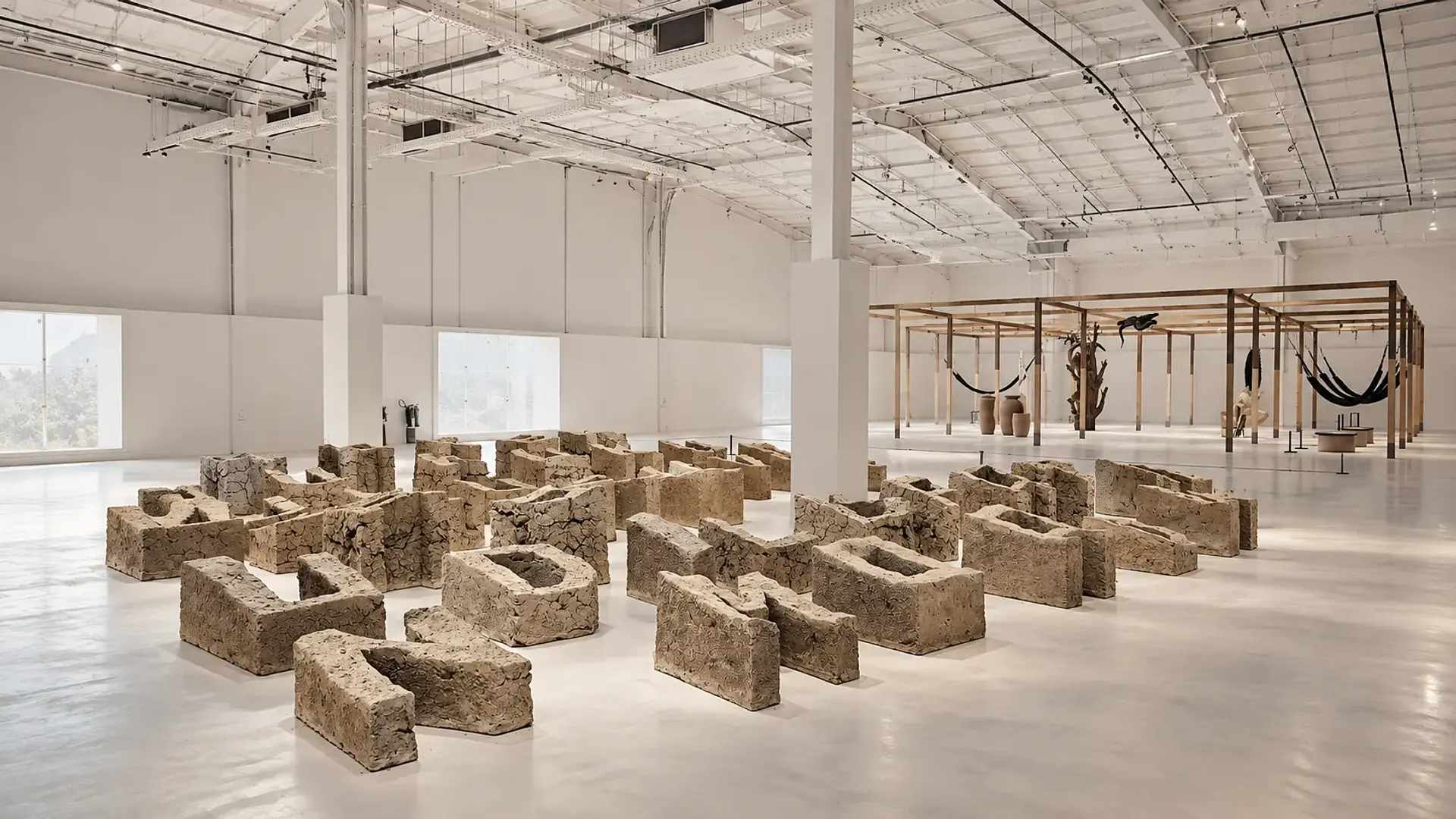
Sustainable brand building isn't a materials question. For premium brands that want to mean something by 2030, it's a cultural one.
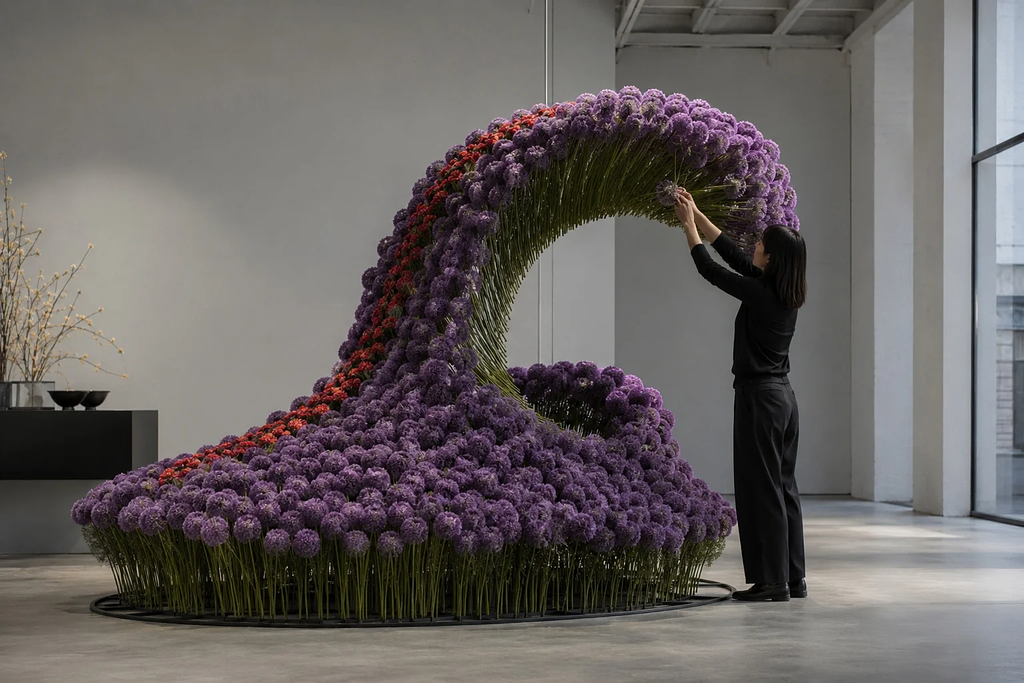
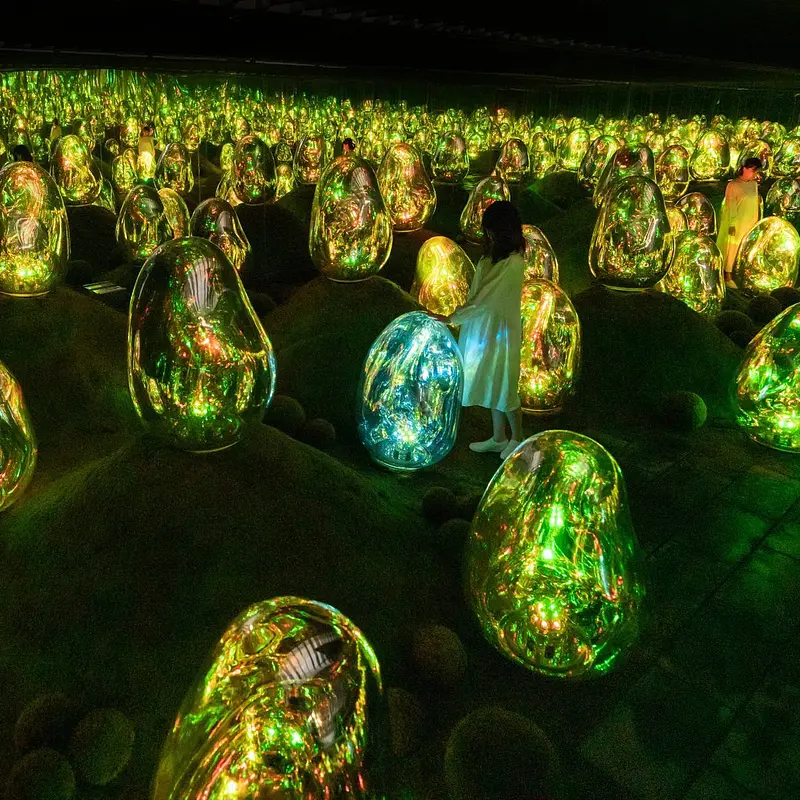
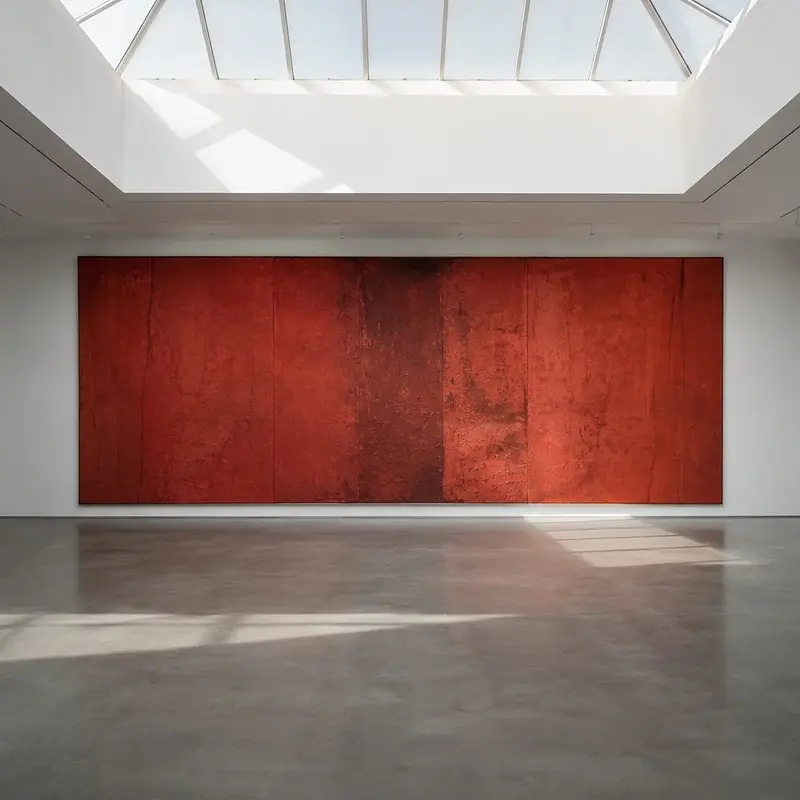
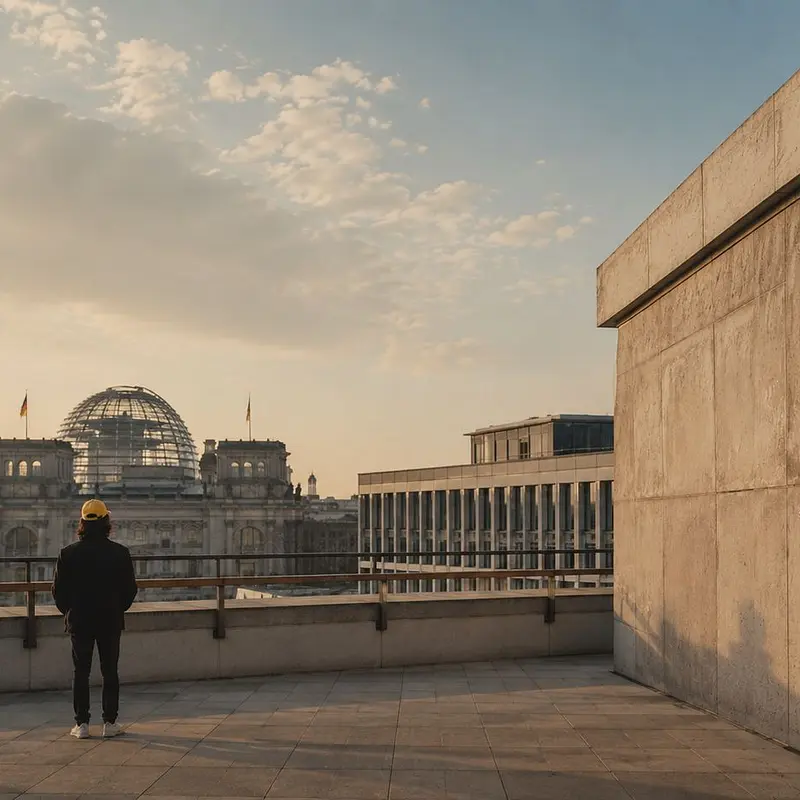
The most sustainable brand work isn't certified — it's built to last. AI generated.
The Problem Isn't Greenwashing. It's the Strategy Behind It.
Every sustainability director in the room knows the brief by now: show environmental responsibility, communicate it credibly, and avoid the appearance of greenwashing. What fewer brands ask is whether the strategy behind that brief — communicate sustainability as a distinct category of brand work — is itself the problem.
Most brand sustainability communication follows a predictable logic: identify a set of measurable commitments (carbon targets, material certifications, supply chain audits), then build a campaign around them. The message is rational, the evidence is real, and the results are almost universally underwhelming. The Journal of Business Research is unambiguous on this: when consumers perceive a gap between a brand's stated values and its actual behaviour, trust collapses — and once it goes, it rarely returns. Given that a United Nations report on greenwashing found 60 per cent of sustainability claims by European fashion companies to be "unsubstantiated" or "misleading," that gap is not a hypothetical. It is the norm.
The irony is that most of these brands are not lying. Many have genuine sustainability commitments. The failure is structural: they are trying to communicate values through the same interruptive, campaign-driven logic that built the credibility problem in the first place. Sustainability becomes a vertical. A badge. A season's campaign territory. And audiences — particularly the culturally literate premium audiences that luxury, automotive, and lifestyle brands compete for — can tell the difference between a brand that operates sustainably and one that announces it.
Cultural Depth Is Sustainability by Another Name
Here is the argument most brands are not yet making: genuine sustainable brand building and genuine cultural depth are not separate strategies. They are the same investment, described from two different angles.
Consider what cultural brand building actually requires: long-term relationships with artists, artisans, and cultural collaborators; work that is made to endure rather than to perform for a campaign cycle; investment in local creative communities rather than extraction from them; and a brand posture that earns cultural authority over years, not quarters. Every one of those requirements is also a sustainability practice.
When a brand commissions a handcrafted installation from an artisan working with locally sourced materials, it is not just making a cultural statement. It is creating something that, by design, produces less waste, consumes fewer resources, and lasts longer than an equivalent mass-produced execution. It is paying fairly for skilled human labour rather than optimising for cheapest-possible production. It is keeping money in a local creative economy rather than routing it through an international production chain. It is building a physical piece of work with a story — material, maker, place — that gives the audience something real to hold.
The sustainability case for artisan sustainability does not require a certification body to validate it. It is inherent in the practice.
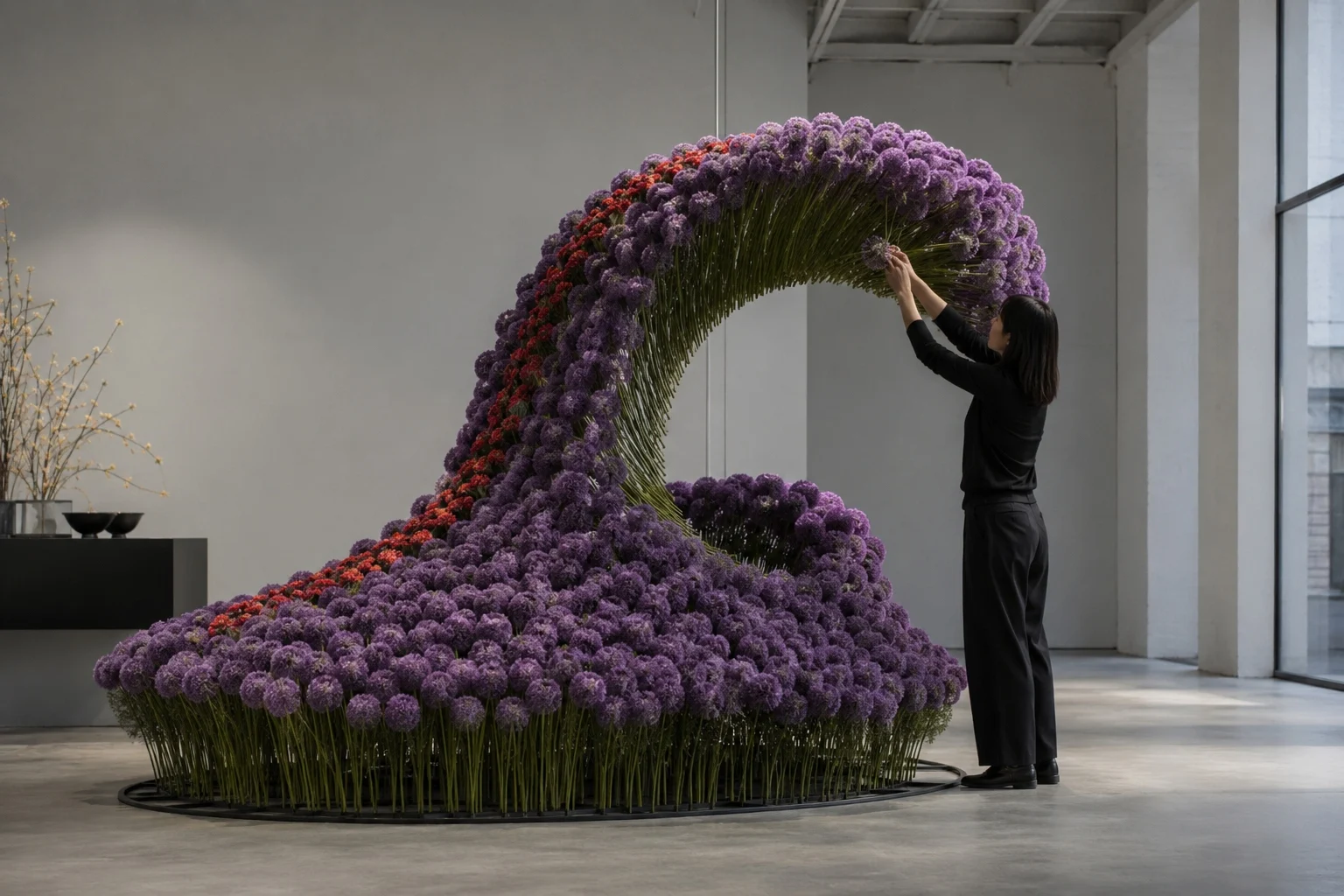
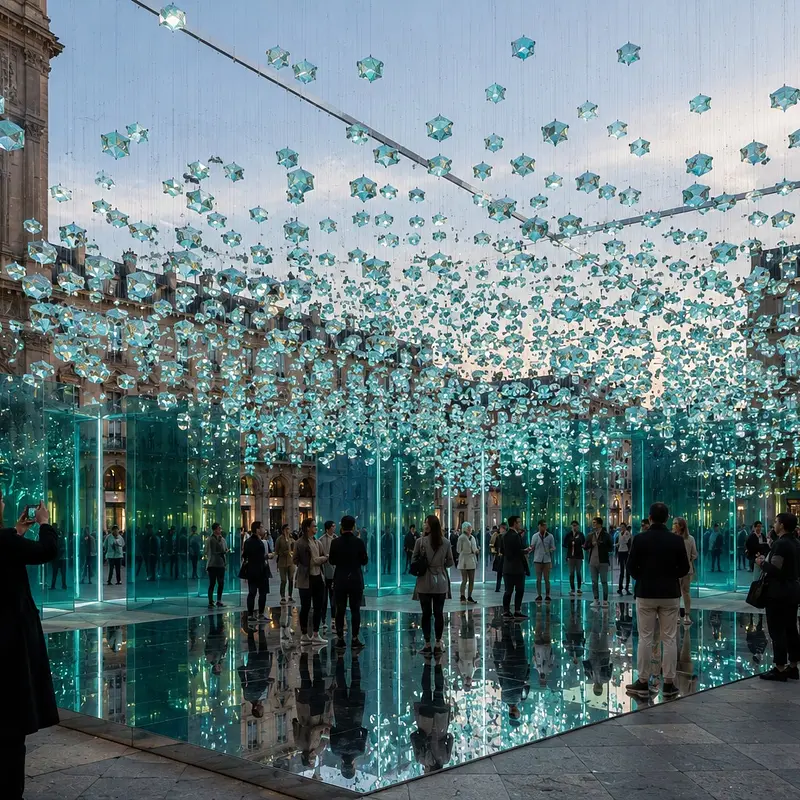
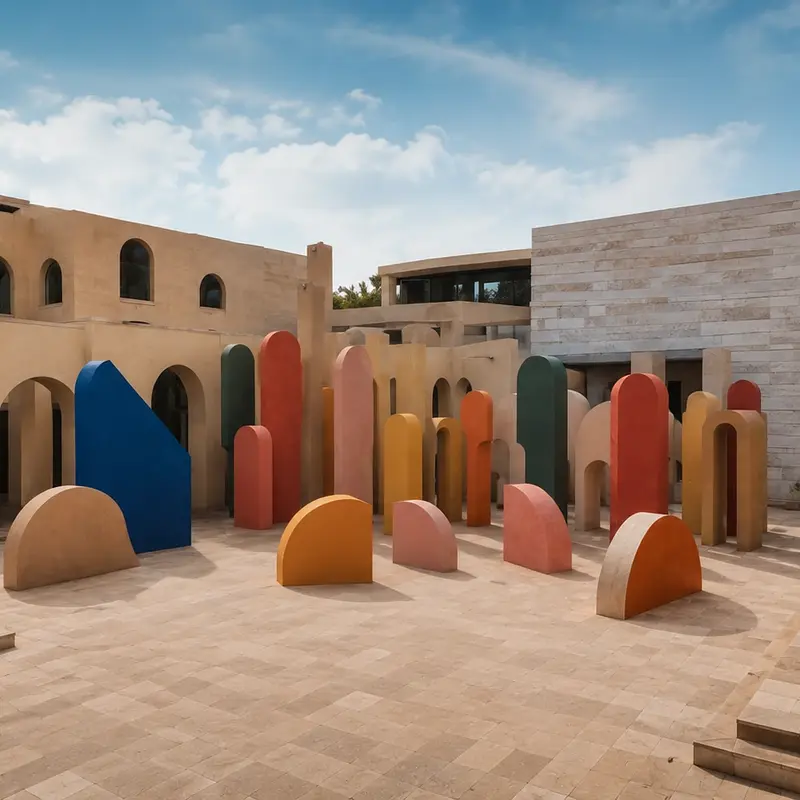
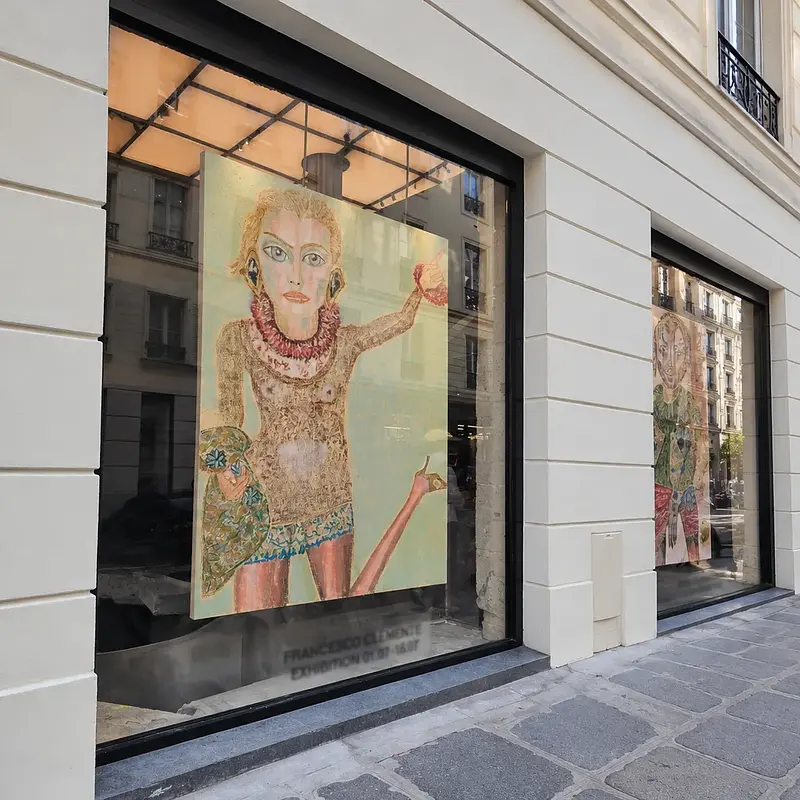
Work made to last says more about a brand's values than any certification. AI generated.
The Longevity Argument
There is a version of sustainability that no carbon offset can buy: the sustainability of work that lasts.
Most brand campaign production is, structurally, wasteful. Large budgets are spent creating assets with a planned lifespan of weeks. Physical executions are built for a single event and discarded. Creative talent is engaged, deployed, and released with no continuity. The entire model is premised on volume and velocity: produce more, run it harder, replace it faster.
Culturally rooted brand work operates on a different logic entirely. A mural commissioned as part of a long-term spatial strategy is still generating cultural value — and brand impressions — two, three, five years after it was made. A crafted product experience created in collaboration with an artisan partner becomes a story the brand can tell for a decade. A long-term relationship with a cultural collaborator produces work that deepens over time rather than deprecating. This is sustainability in the truest sense: building things that do not need to be constantly replaced.
The financial argument maps onto the same logic. Les Binet and Peter Field's analysis of the IPA Effectiveness Databank — the most comprehensive evidence base on advertising effectiveness in existence, drawing on nearly 1,000 campaigns across decades — found that long-term brand investment delivers double the profit return of short-term activation spend. The cost-per-impression of a permanent installation falls with every month it stands. The cost-per-impression of a campaign asset rises the moment the spend stops. For a deeper examination of how culturally resonant brand investment translates into measurable business outcomes, see Basa Studio's analysis of the ROI of cultural brand building.
What Brands Doing This Look Like
Patagonia is the canonical example — and for good reason. The brand has spent decades embedding its environmental commitments into its operational fabric rather than layering them over a conventional brand strategy. Its Worn Wear programme — which actively encourages customers to repair, trade in, and buy used rather than new — is simultaneously a sustainability initiative, a cultural statement, and a brand-building strategy. According to the Circle Economy Foundation, Patagonia operates the largest repair facility in North America, repairing around 50,000 pieces per year — a commitment that is operationally costly and commercially counterintuitive by conventional marketing logic. The message it sends is not "we are sustainable." It is: the things we make are worth keeping. That is a values claim that no campaign can manufacture — it has to be earned through the quality and intention of what is produced.
Brunello Cucinelli offers a different model, but the same underlying logic. As Fortune documented in a profile of Cucinelli's business philosophy, the brand's concept of "humanistic capitalism" — built around the medieval village of Solomeo, Italy, where the brand employs artisans, funds local restoration, and structures its entire business around the dignity of craft labour — is one of the most fully realised examples of cultural sustainability in European premium branding. Brunello Cucinelli does not communicate sustainability. It has built its entire brand identity around a set of practices and relationships that are inherently sustainable: long-term, local, human, made to endure.
Neither brand built its sustainability reputation through certifications or campaigns. Both built it through choices that accumulated, over decades, into something audiences could trust.
The Creative Ecosystem Argument
There is a third dimension to cultural sustainability that rarely appears in brand sustainability reports: the health of the creative ecosystems that premium brand work depends on.
Artisans, craft practitioners, and culturally embedded creatives are not renewable by default. The skills required to produce genuinely handcrafted, culturally resonant work take years — sometimes generations — to develop. When brands engage creative talent through a purely transactional model (briefed for a season, paid, released), they contribute to a broader pattern of cultural extraction that gradually erodes the creative infrastructure they rely on. The communities, workshops, and traditions that make distinctive work possible do not sustain themselves on one-off engagements.
Long-term collaborative relationships change that calculus. A brand that works with the same artisan community across multiple projects, invests in those relationships, and builds its cultural identity around the specificity of that craft is doing something materially different: it is helping sustain the creative ecosystem it draws from. That is a form of sustainability that no carbon audit captures — and it is one of the strongest arguments for curated, long-term cultural collaboration as a brand strategy.
What Conscious Brand Building Looks Like by 2030
The trajectory is already clear. Regulatory pressure is already reshaping what brands can and cannot say: the Empowering Consumers Directive prohibits generic environmental claims such as "eco-friendly" or "green" unless substantiated by recognised evidence or certification — with non-compliance penalties reaching up to 4 per cent of annual turnover, according to Sustainability Directory. Conscious branding is ceasing to be a choice and becoming a compliance question.
Audiences are already ahead of the regulation. A peer-reviewed study in the International Journal of Consumer Studies found that Gen Z and younger Millennial consumers are increasingly able to identify the gap between superficial sustainability tactics and genuine practice, responding by withdrawing trust from brands they perceive as performing values rather than holding them.
By 2030, the brands that will have built durable sustainability credibility will not be the ones that ran the most compelling green campaigns. They will be the ones that made their sustainability legible through their creative choices: who they worked with, what they built, how long it lasted, and what communities it supported.
That is the definition of conscious branding that actually lands. Not a claim. A practice.
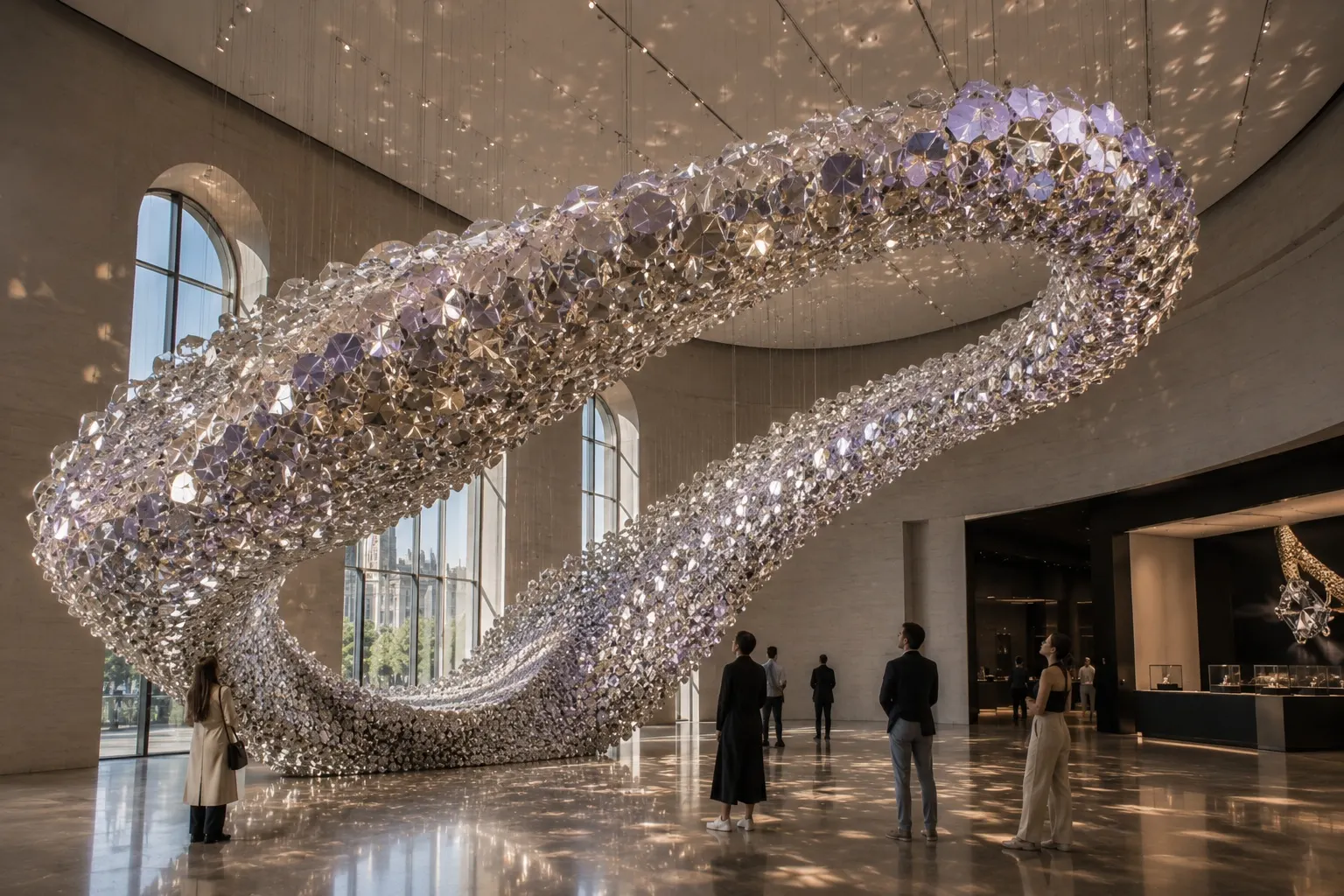
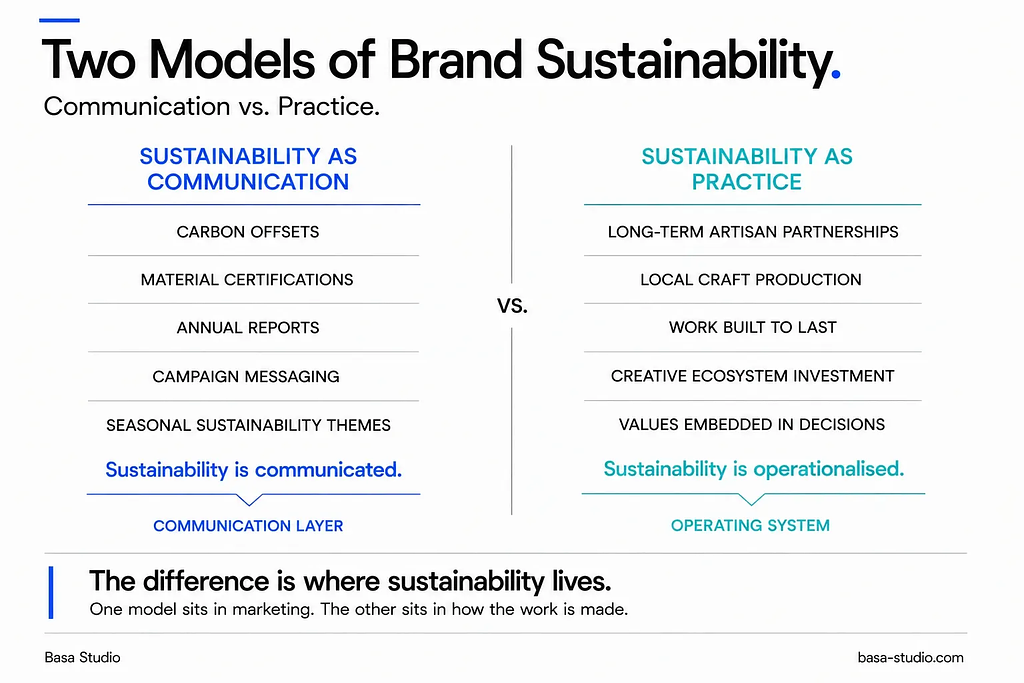
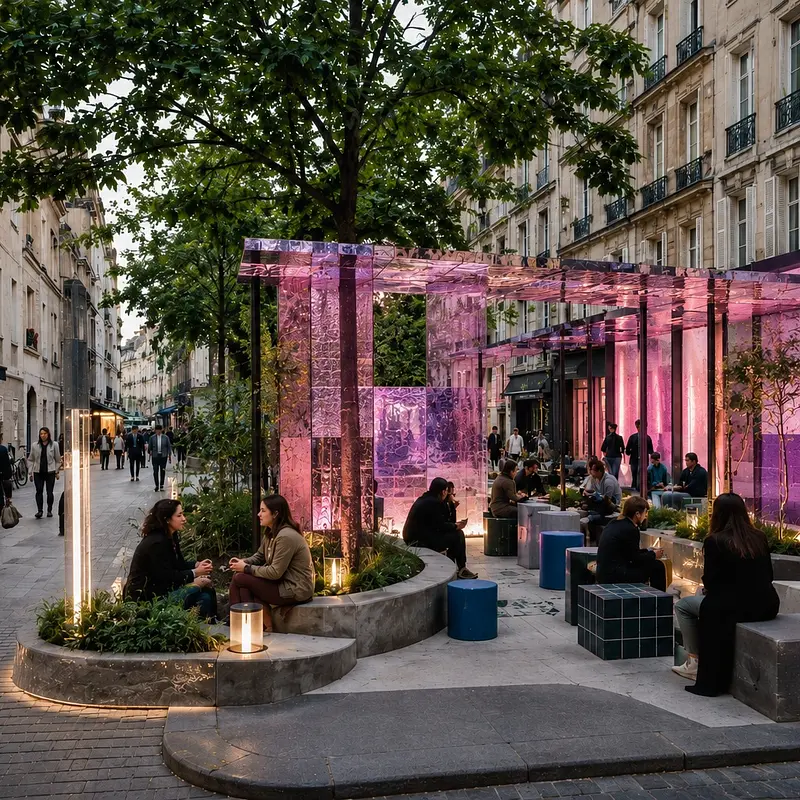
The difference between a brand that communicates sustainability and one that practises it.
For premium brands, the question to ask is not "how do we tell our sustainability story?" It is: are our creative choices — the collaborators we choose, the work we commission, the relationships we invest in — already the story? If the answer is no, no campaign will fix it. If the answer is yes, the story tells itself.
That is what sustainable brand building actually looks like. And it is where the most culturally serious brands are already heading.
Related creative stories
Browse through other features, interviews and guides to discover creative brand collaborations, meet innovative artists and creators, find out how new artforms are energizing advertising, & more.
We're excited to hear from you! If you're looking for artistic solutions for your next creative marketing campaign, send us your briefing. We can also help create a killer concept if you're in an early ideation phase. Check out our services for more.
Send your briefing
About you
THANK YOU
Your inquiry has been sent
We have received your inquiry. We'll get back to you within 24-48 hours to discuss your project. If you need urgent assistance, reach us on WhatsApp: +49 176 432 64506. In the meantime, we invite you to explore our insights, case studies, and lessons from building culturally grounded brand experiences.
Please contact us by phone if you're not able to reach us via this form.
THANK YOU
We have received your inquiry. We'll get back to you within 24-48 hours to discuss your project. If you need urgent assistance, reach us on WhatsApp: +49 176 432 64506. In the meantime, we invite you to explore our insights, case studies, and lessons from building culturally grounded brand experiences.
We use cookies to help empower our artists and make them accessible to clients. Check out our Privacy Policy and Terms of Service to see how your data can make a difference.