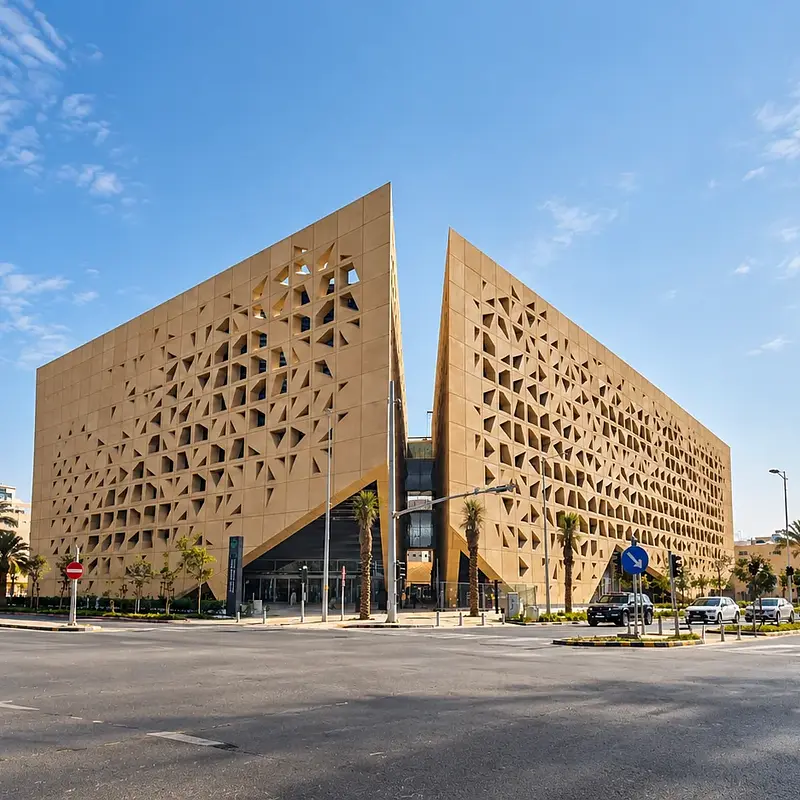
Most product launches follow the same script. A smarter product launch strategy treats the launch itself as a cultural moment.
The Formula Problem
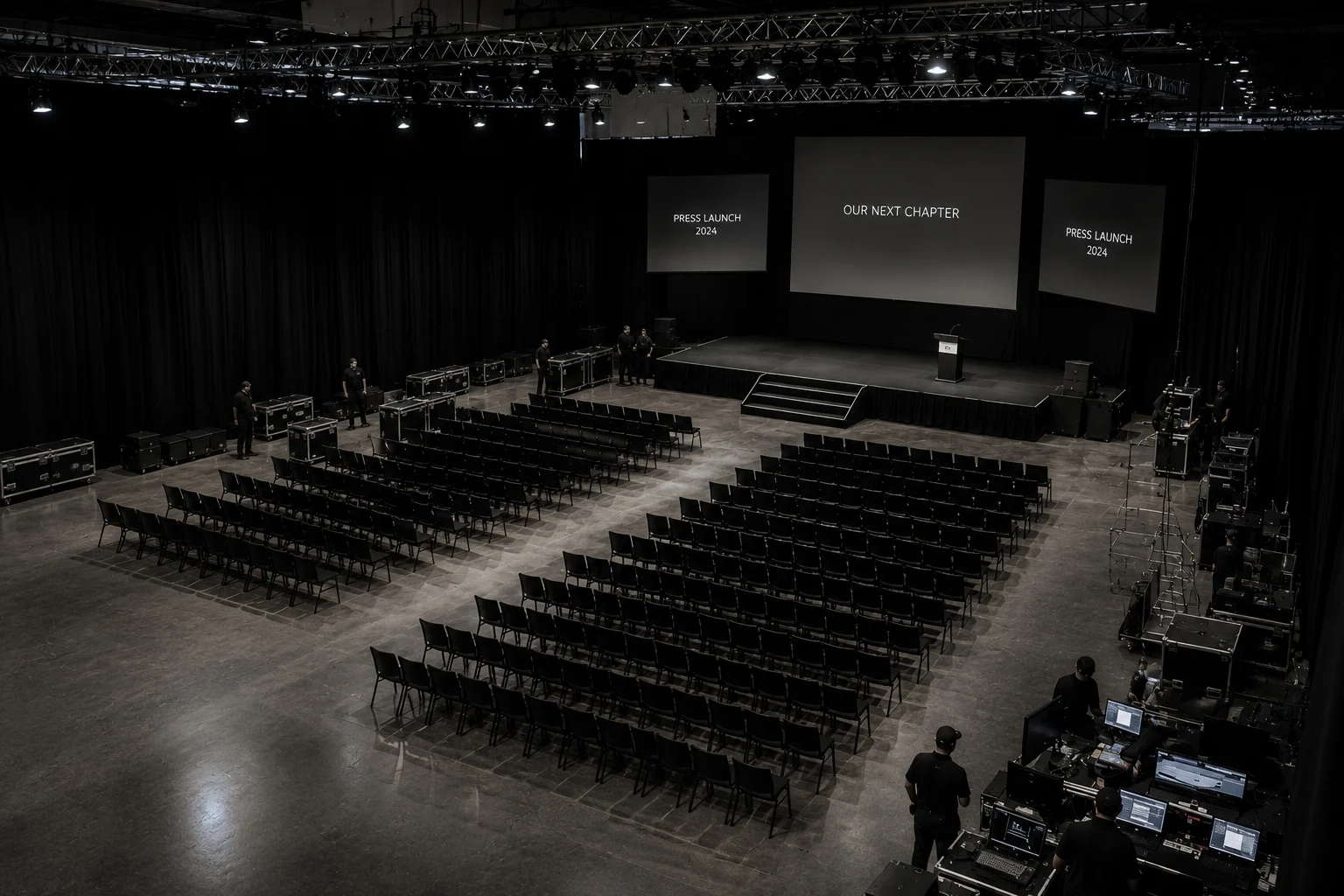
There is a recognisable rhythm to most product launches. A venue is hired. A media list is worked. A product demo is staged. A press kit is distributed. Influencers are briefed and seeded. Coverage lands in a concentrated window — two, perhaps three days of attention — and then the launch is over, the news cycle moves on, and the product competes on its own merits.
This formula is not broken because it fails to generate coverage. It is broken because it optimises for coverage volume at the expense of cultural resonance — and volume without resonance is wasted budget.
The structural cause is straightforward: when the launch environment is designed purely as a logistics operation rather than as a brand touchpoint, journalists and guests have nothing to write about except the product. That produces product-adjacent coverage, which is useful for the first news cycle and almost useless thereafter. There is no second story. No cultural conversation. No reason for anyone who was not in the room to engage with what happened there.
The result is a spike — and then silence.
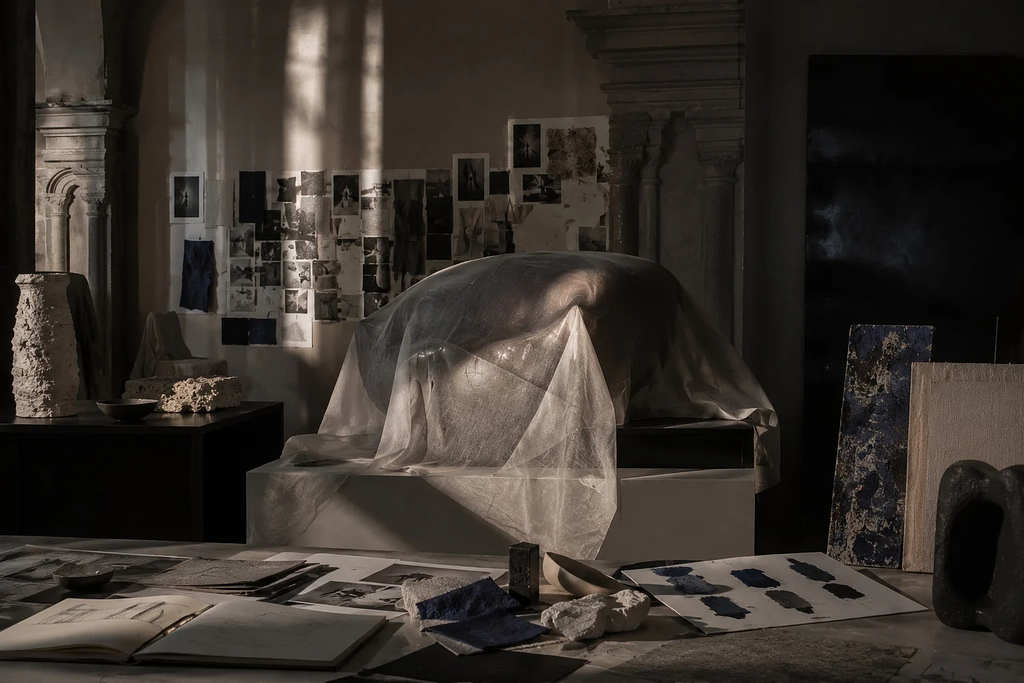
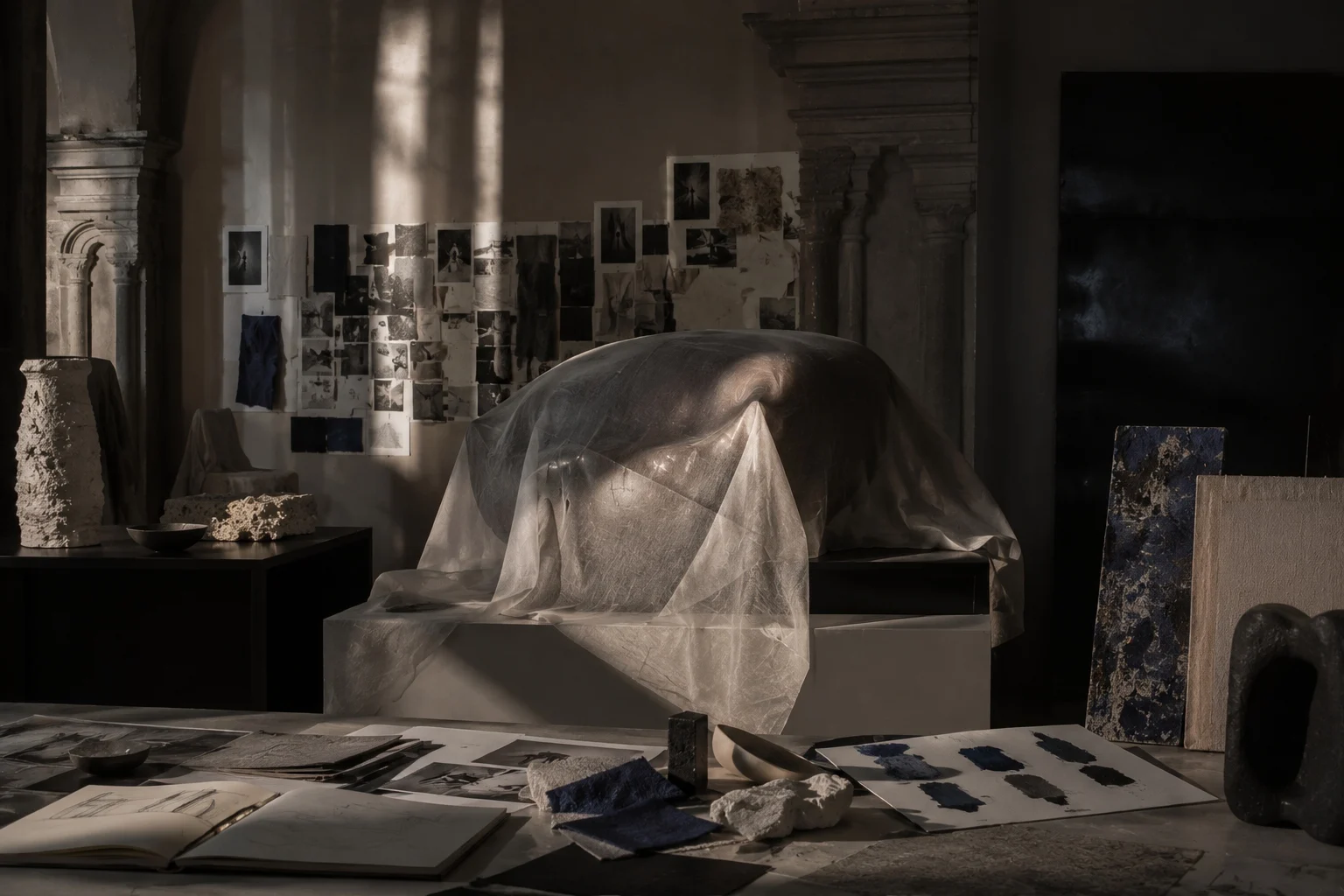
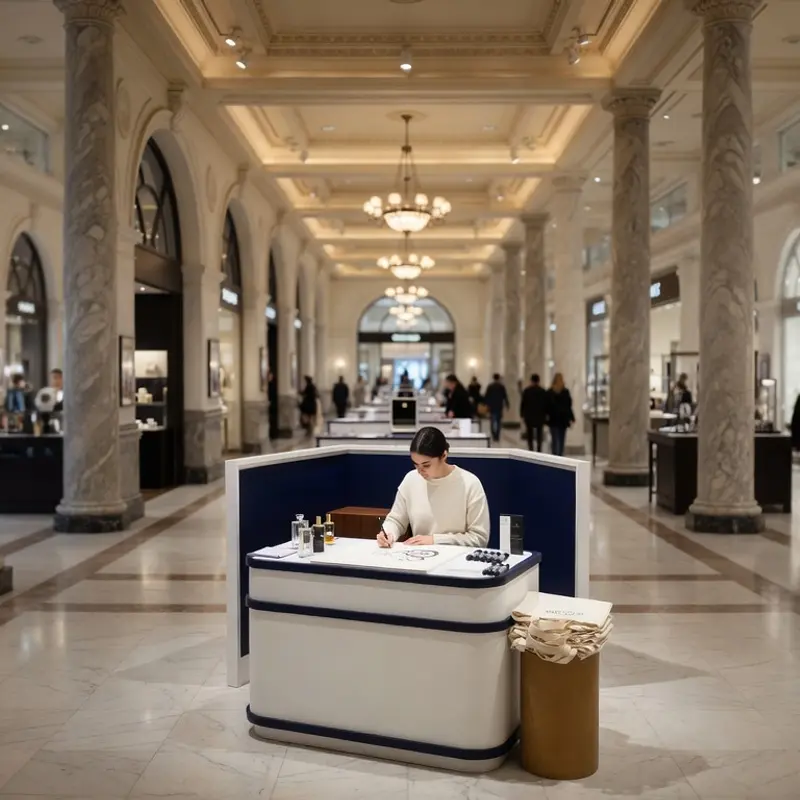
The standard launch formula: optimised for logistics, not for cultural memory.
The Environment as the Story
The brief that produces a different outcome is written around a different logic. The venue question — where do we hold the launch? — is a production decision. The prior question — what should this encounter communicate about who we are? — is a strategic one. Most launch briefs skip the second question entirely and go straight to the first. That is where the formula takes hold.
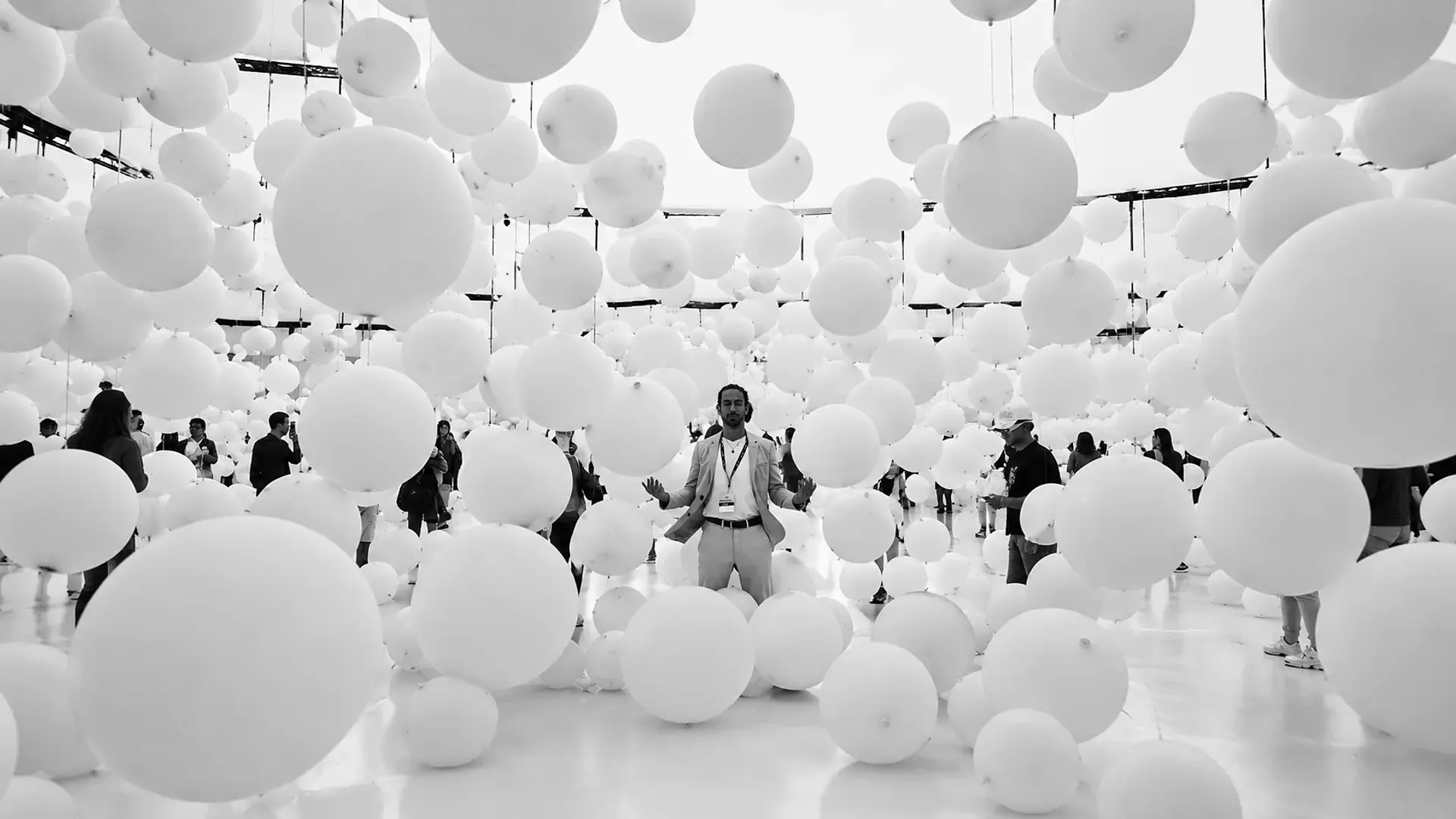
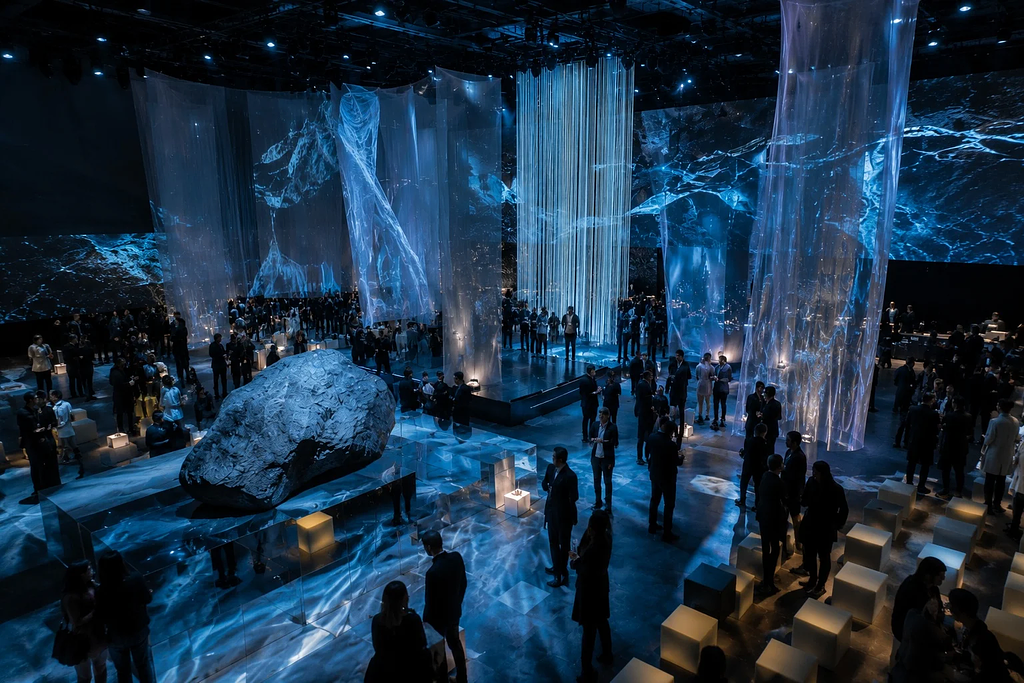
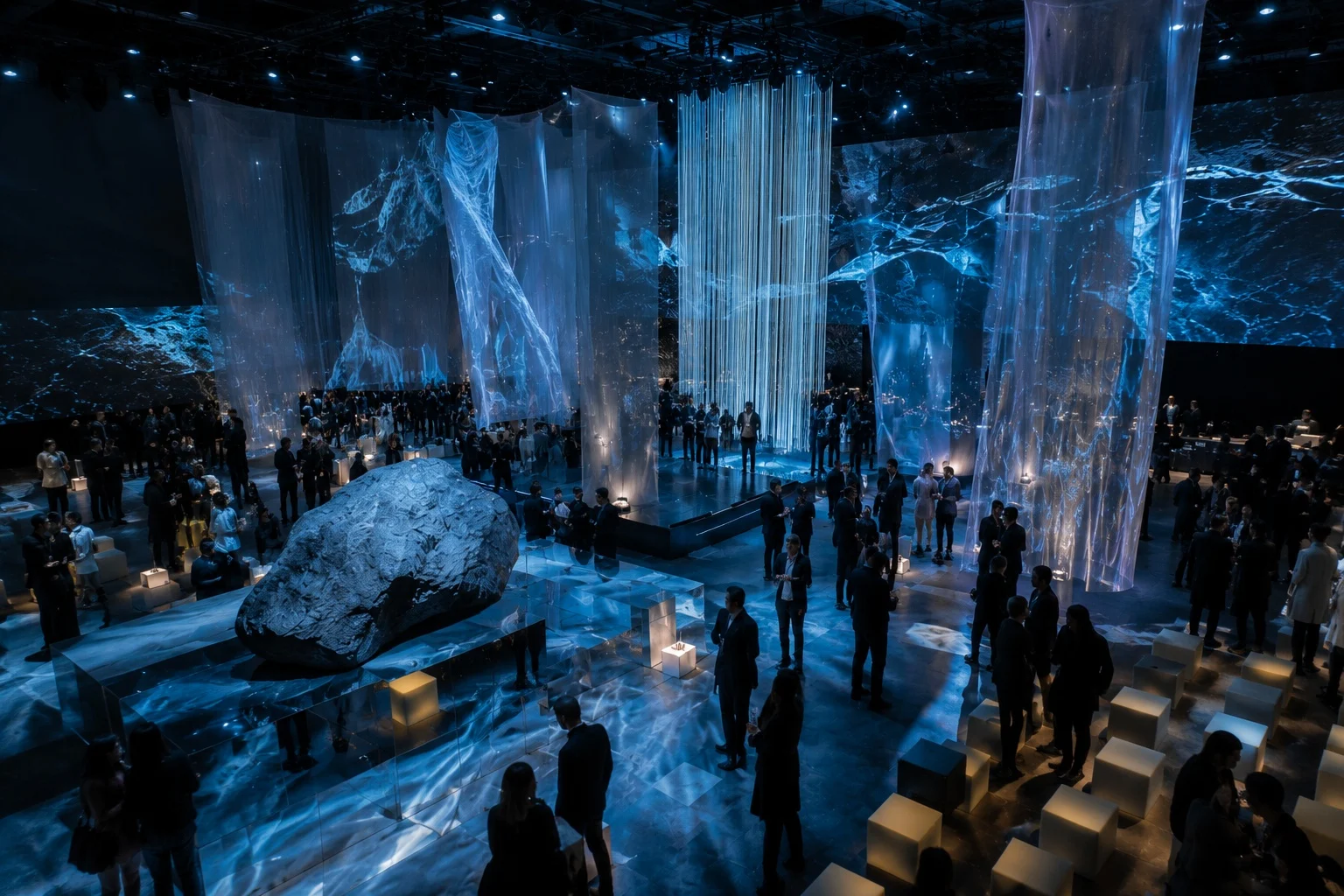
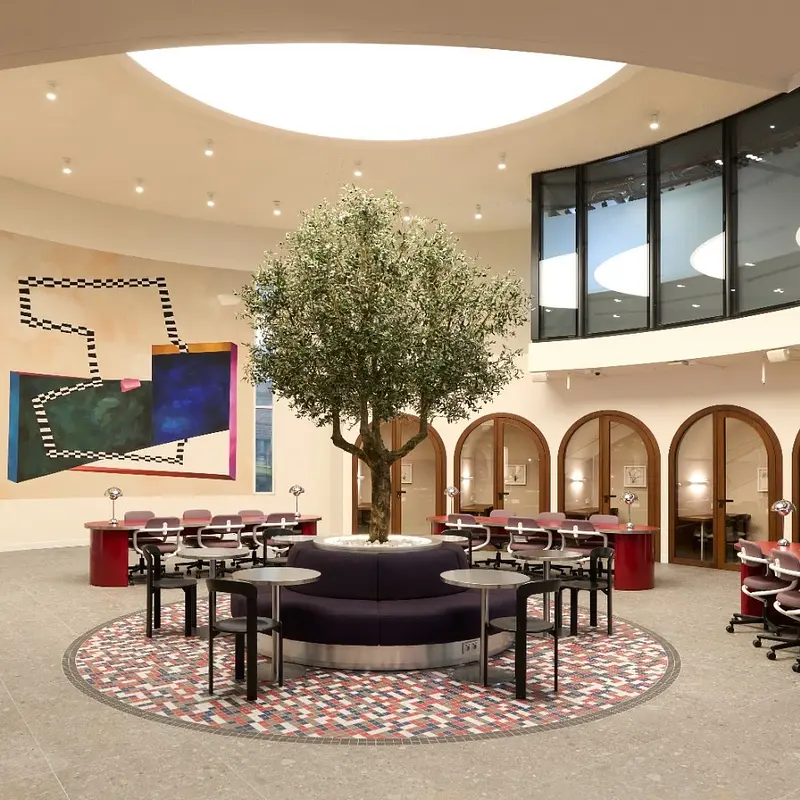
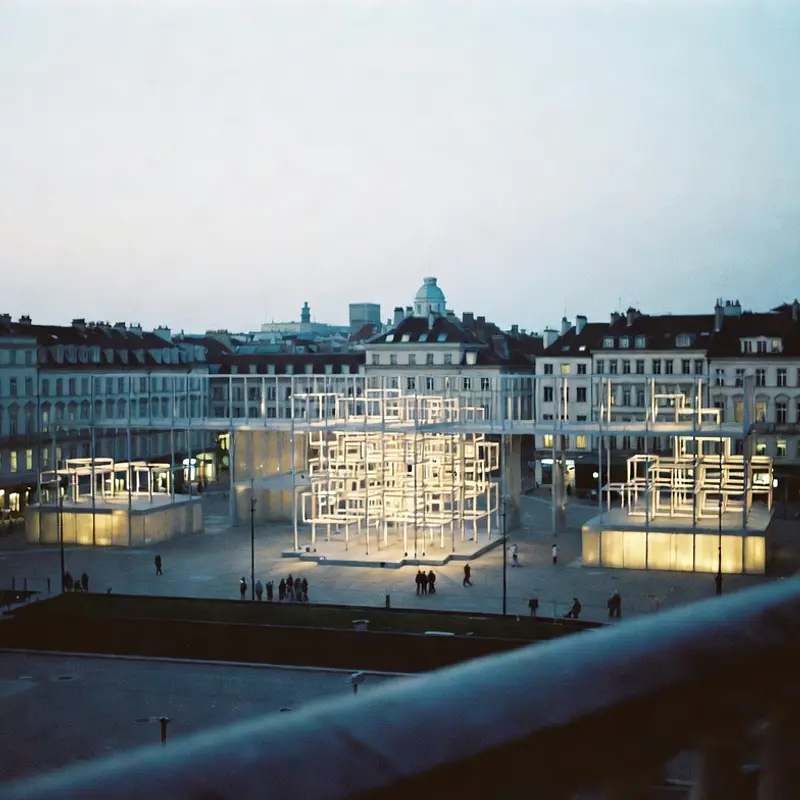
When brand launch event design is treated as a strategic discipline — not a production task — the launch environment becomes the primary content. The space itself generates the story. Journalists write about the encounter, not just the product. Guests photograph the environment because it is worth photographing. The launch becomes an event people wanted to attend, not an obligation they fulfilled.
This is the distinction between a media event and a cultural moment. A media event delivers information. A cultural moment creates an experience that carries meaning beyond the room and beyond the day.
Jacquemus has built an entire brand identity on this logic. For his 10th anniversary show, Jacquemus staged a hot-pink runway through the lavender fields of Valensole, Provence via Le Coup de Soleil — a compositional statement the designer explicitly compared to a Christo installation. Three years later, Le Papier was staged in the salt marshes of Aigues-Mortes, with models crossing a lunar white landscape and guests seated on benches carved from salt. The clothes are part of an encounter with a world the brand has made real. Coverage of those events does not stop after the first news cycle because the images continue to circulate, the references continue to accumulate, and the cultural weight of the moment continues to compound.
That is not an aesthetic preference. It is a structural argument about where launch value comes from.
What Cultural Collaborators Add
The most effective way to shift a launch environment from logistical to cultural is to bring in collaborators who work in culture — not decoration.
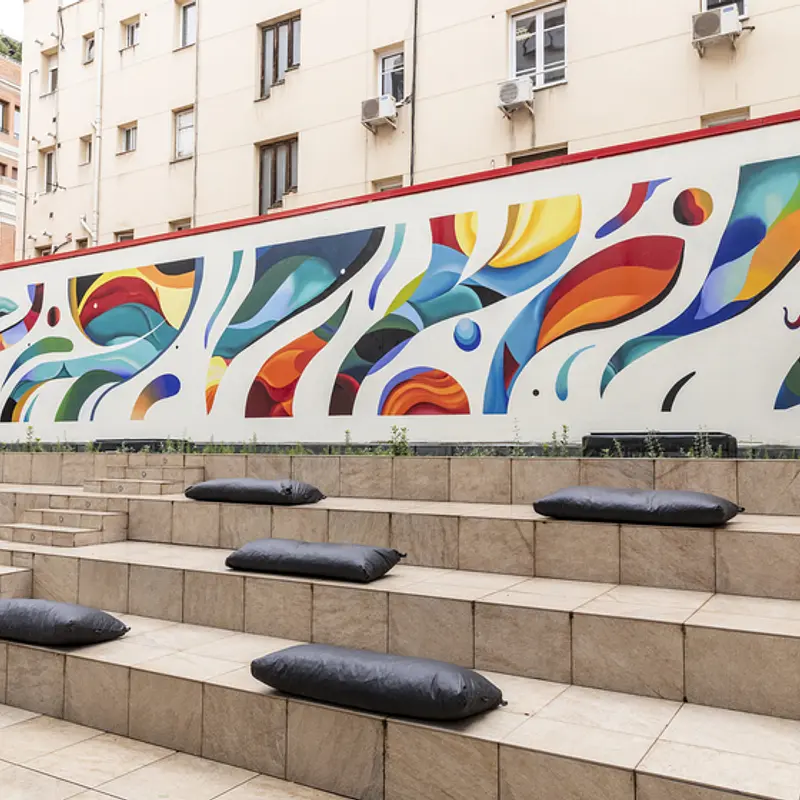
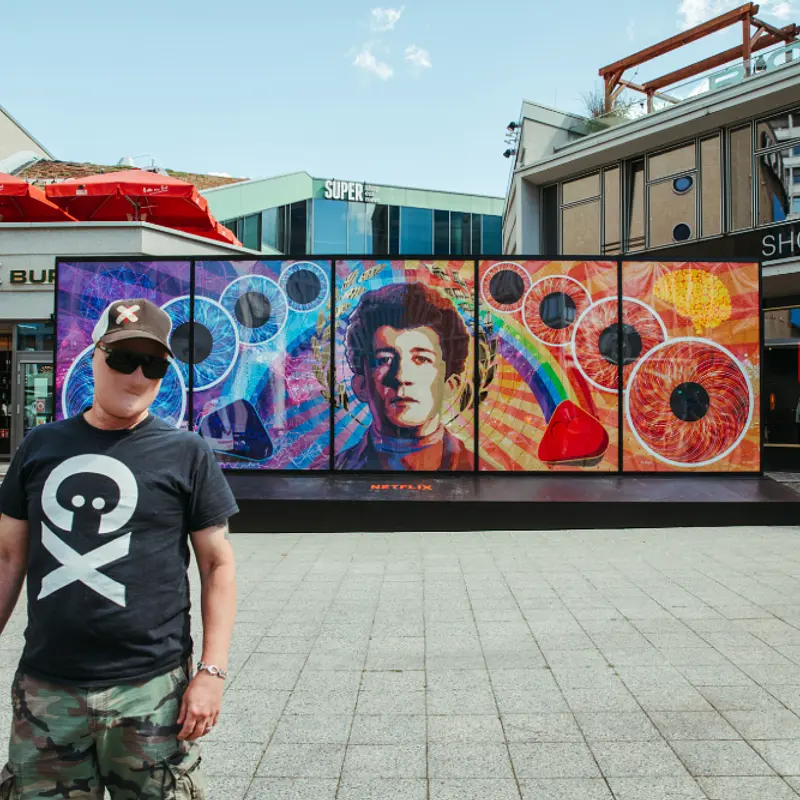
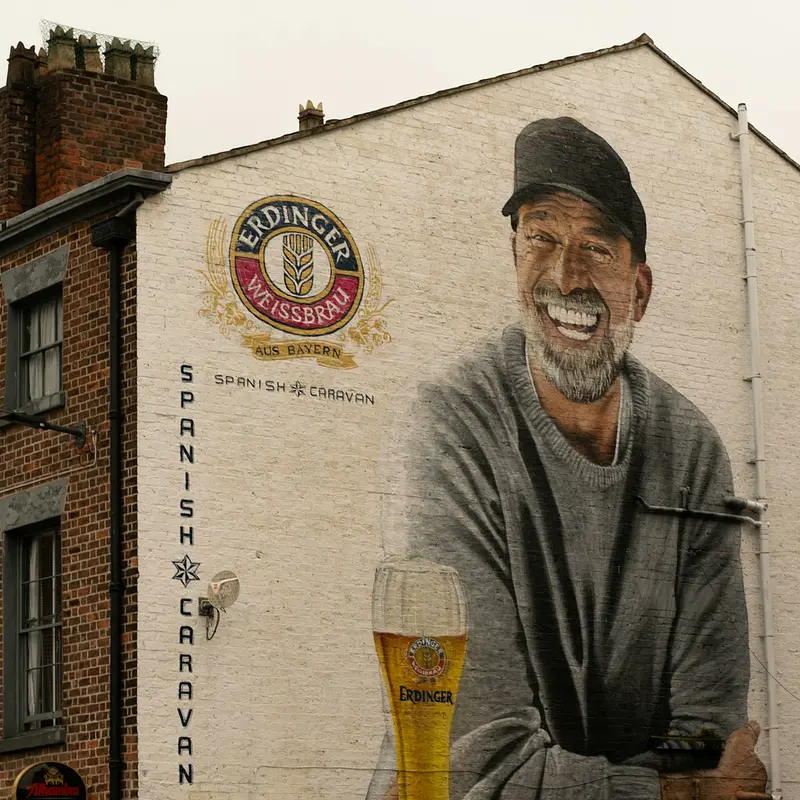
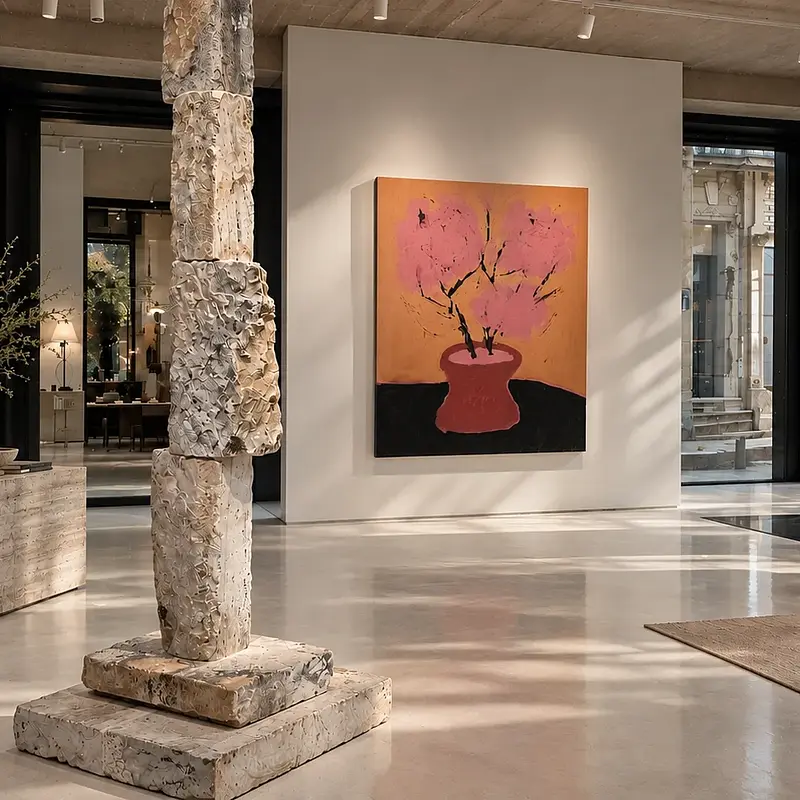
This is the practical argument for artist-led or artisan-led launch environments. A cultural collaborator — a visual artist, a spatial designer working at the intersection of art and architecture, a master craftsperson whose work carries its own authority — brings something a production company cannot. They bring an existing cultural register. Their work arrives with an audience, a critical discourse, a set of references that the brand can draw credibility from without manufacturing it.
The result is a launch environment that communicates two things simultaneously: what the product is, and what the brand stands for. When those two signals reinforce each other, the event produces content that has shelf life. The artist's work is worth writing about independently of the product news. The collaboration itself becomes a story.
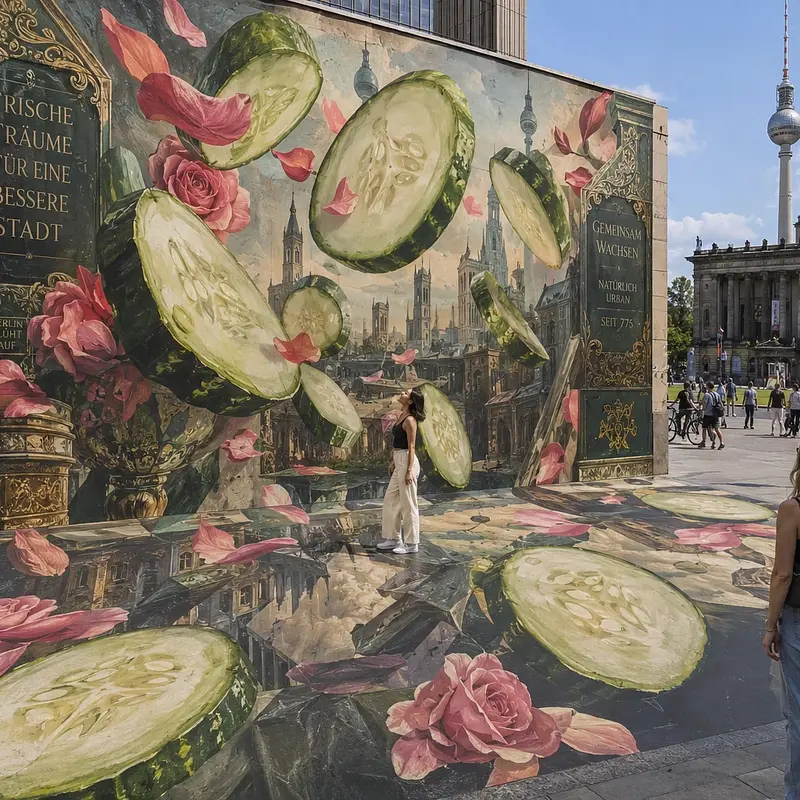
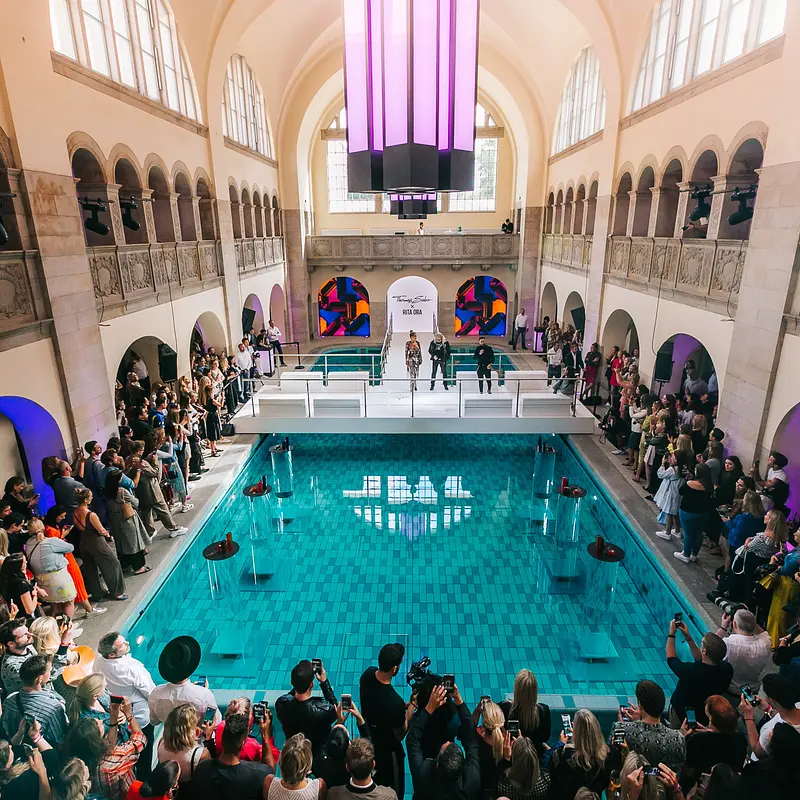
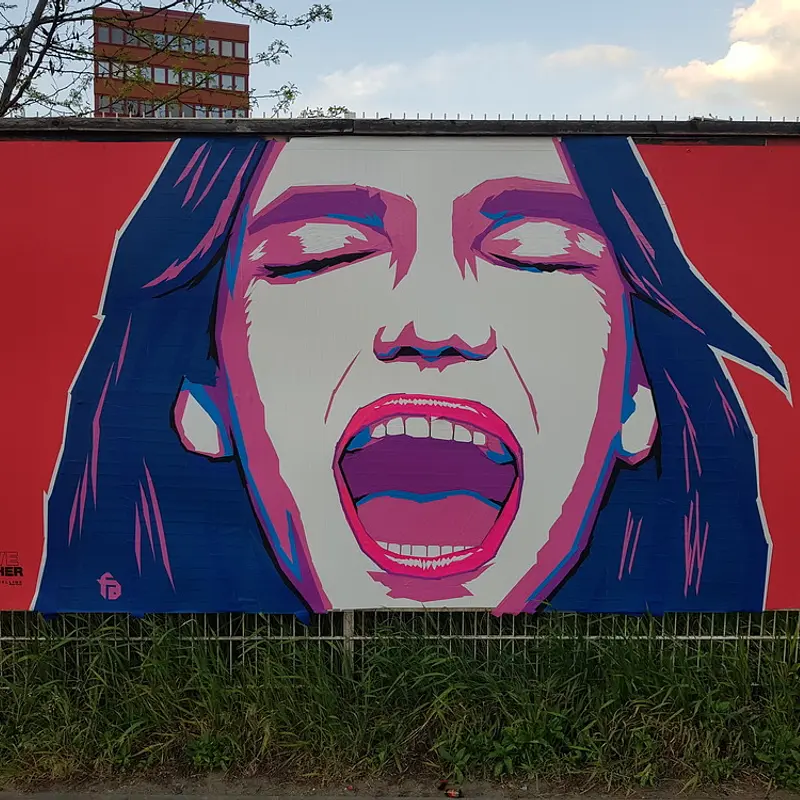
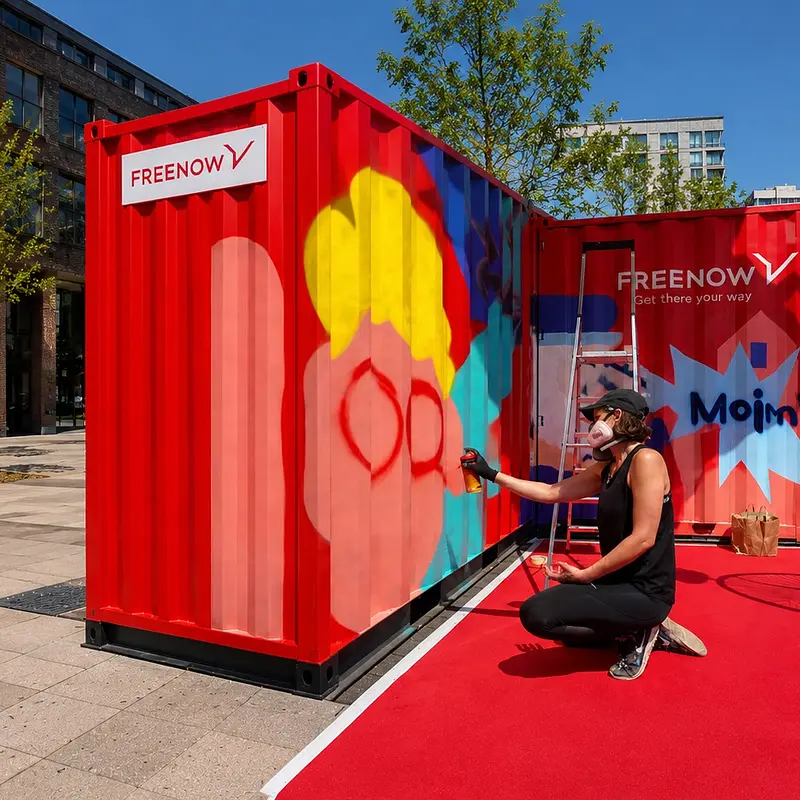
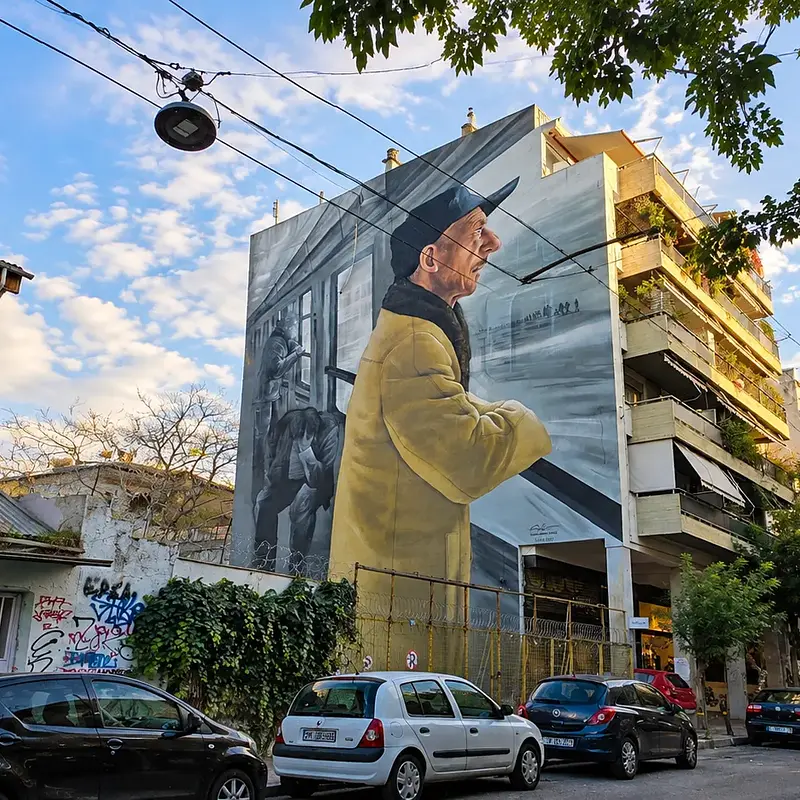
For the Berlin launch of YSL LOVESHINE— a campaign fronted by Dua Lipa and rolled out across the DACH region — Basa Studio was brought in for the artistic execution of a multi-city cultural presence. At its centre was a 10-metre hyperrealist mural in Berlin by AKUT, one of Germany's most respected painters, which read as a photograph at distance and revealed itself as a meticulously spray-painted work on closer inspection. The mural did not support the launch. It was the launch's cultural presence in the city — and the beginning of a broader activation that took the campaign across Frankfurt, Düsseldorf, Geneva, Zurich, and Vienna.
When the environment is designed as the content, the launch generates its own story.
Building Cultural Anticipation Before the Day
A culturally-led product launch strategy does not begin on launch day. It begins weeks — sometimes months — earlier, in the form of cultural seeding.
Cultural seeding is not advertising. The distinction matters. Advertising announces. Cultural seeding builds context: it places the brand inside conversations, references, and environments that carry independent cultural authority. A collaboration teased through an artist's own channels. A limited preview object distributed to cultural figures who are not brand ambassadors in the traditional sense. An early access moment at a cultural institution rather than a retail context.
The effect is anticipation built from the outside in — not manufactured by the brand, but generated by the cultural ecosystem the brand has entered. By the time the launch occurs, there is already a story in progress. The event does not need to create the entire narrative. It confirms and deepens one that already exists.
Bottega Veneta's approach to product launches under Daniel Lee demonstrated this logic at scale. The brand famously deleted its social media accounts and rebuilt its presence entirely through cultural intermediaries — artists, critics, cultural figures — who encountered the brand on the brand's terms, not on platform terms. As Business of Fashion noted, the social media blackout was part of a deliberate revamp of the brand's approach to communication — holding shows behind closed doors and rebuilding presence through cultural intermediaries rather than owned channels. Each product moment landed into a context of genuine cultural weight rather than advertising noise. That is not a replicable tactic. It is an illustration of a structural point: earned anticipation outperforms manufactured announcement.
Cultural anticipation is built before the launch — not on the day.
Long-Tail Launch Value
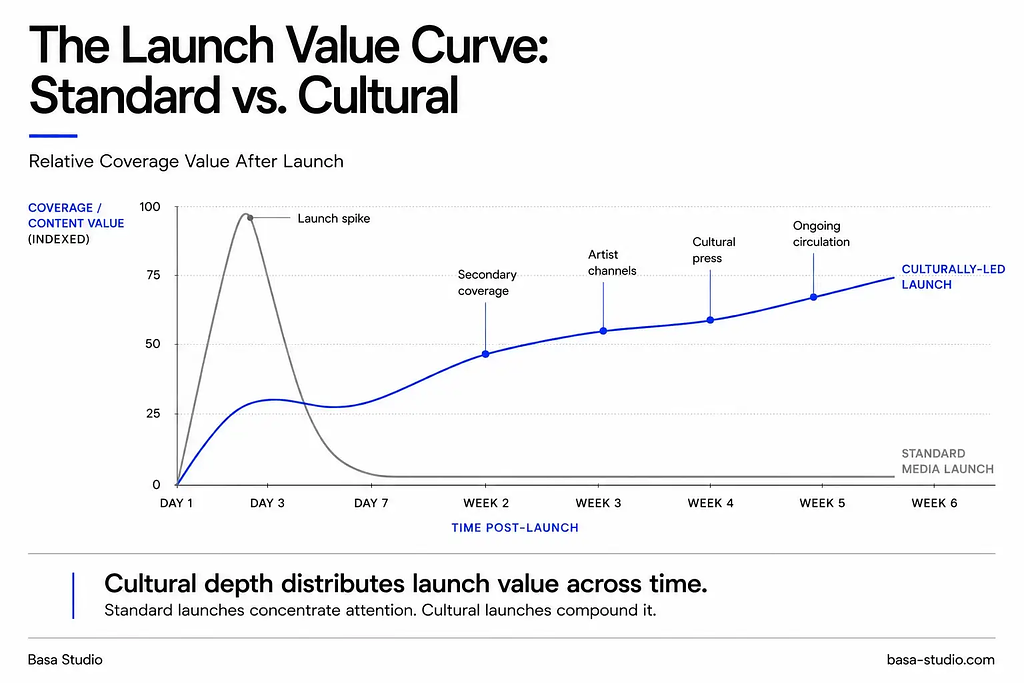
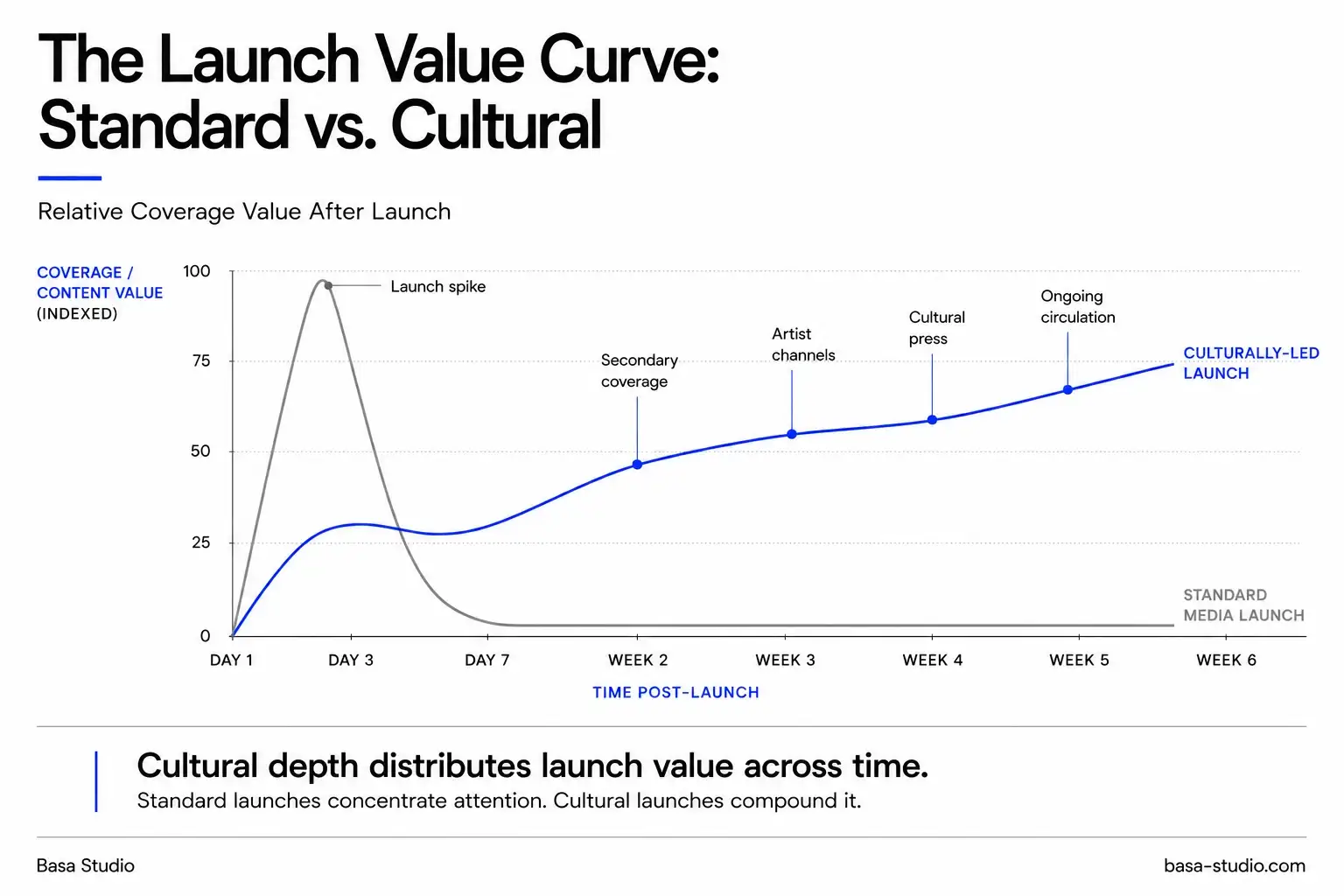
The most underappreciated argument for a culturally-led product launch strategy is temporal. A standard launch event generates value in a defined window. A culturally-led launch environment continues generating value for weeks — sometimes months — after the event closes.
The mechanism is simple. When the launch environment has genuine cultural content, it remains available as a reference. The artist's work is covered in cultural press independently of the product news. The images circulate beyond the immediate media cycle. People who were not at the launch encounter it through secondary coverage, through the artist's own channels, through the cultural conversation the event entered.
This is long-tail launch value: the ability of a well-designed experiential product launch to compound attention over time rather than exhaust it in a single spike.
It also fundamentally changes the risk calculation. A standard launch concentrates risk on a single moment: if the coverage window is missed — because of a competing news event, a logistical failure, or simple media fatigue — the investment is largely lost. A culturally-led launch distributes that value across a longer window and multiple channels. The event is not the only moment. It is the beginning of a conversation.
The YSL LOVESHINE mural in Berlin makes this point concretely. A press event lasts a day. A 10-metre hyperrealist mural in a central Berlin location continues to be encountered, photographed, and shared for as long as it remains on the wall. The cultural moment outlasts the campaign window entirely.
For CMOs managing launch budgets under increasing scrutiny, that is a practical argument, not an aesthetic one. Cultural depth is not a premium on top of the launch investment. It is a more efficient allocation of it.
Cultural depth distributes launch value across time. Standard events concentrate and exhaust it.
What to Brief Differently
The practical implication of this argument is a change at the brief stage, not the execution stage.
A brief that asks for a venue, a media plan, and a press kit will produce a venue, a media plan, and a press kit. A brief that asks what cultural moment this launch should create — what the environment should communicate about the brand beyond the product, which collaborators could bring genuine cultural authority to the space, how the pre-launch period should be used to build context rather than awareness — produces a fundamentally different outcome.
That shift in brief is not about increasing the production budget. It is about directing the same investment toward a different logic: one that treats the launch environment as a brand touchpoint with its own strategic ambition, not a logistics operation with a product at the centre.
The brands that have built the most durable cultural authority from their product launches — Jacquemus, Bottega Veneta, Loewe, and others — did not do so by spending more. They did so by asking different questions at the start of the process.
A product launch is one of the highest-stakes brand touchpoints a business executes. The formula exists because it is safe. But safe, in an environment of fragmented attention and accelerating media cycles, increasingly means invisible. Culturally-led launch design is not a risk. It is the more defensible strategic position. Basa Studio works with brands to create product launch environments that function as cultural moments — from strategy and collaborator selection through spatial concept and execution. Contact us to discuss your next launch.
Related creative stories
Browse through other features, interviews and guides to discover creative brand collaborations, meet innovative artists and creators, find out how new artforms are energizing advertising, & more.
We're excited to hear from you! If you're looking for artistic solutions for your next creative marketing campaign, send us your briefing. We can also help create a killer concept if you're in an early ideation phase. Check out our services for more.
Send your briefing
About you
THANK YOU
Your inquiry has been sent
We have received your inquiry. We'll get back to you within 24-48 hours to discuss your project. If you need urgent assistance, reach us on WhatsApp: +49 176 432 64506. In the meantime, we invite you to explore our insights, case studies, and lessons from building culturally grounded brand experiences.
Please contact us by phone if you're not able to reach us via this form.
THANK YOU
We have received your inquiry. We'll get back to you within 24-48 hours to discuss your project. If you need urgent assistance, reach us on WhatsApp: +49 176 432 64506. In the meantime, we invite you to explore our insights, case studies, and lessons from building culturally grounded brand experiences.
We use cookies to help empower our artists and make them accessible to clients. Check out our Privacy Policy and Terms of Service to see how your data can make a difference.