Generic brand activations are losing their audience — not gradually, but structurally. Here's what's replacing them.
There is a specific kind of exhaustion setting in across marketing departments, agency briefing rooms, and the audiences brands are trying to reach. It is not burnout from too much work. It is the fatigue of doing the same work, dressed up differently, and watching it land with less force every single cycle. Generic brand activations — the product launch with the DJ and the canapés, the pop-up with the Instagrammable corner and no discernible reason to exist, the sponsorship activation that looks identical to every other brand's at the same event — are not just underperforming. They are structurally broken. Understanding why, and what the cultural brand shift looks like in practice, is the clearest competitive advantage available to a CMO right now.
The Autopsy: What Generic Actually Means
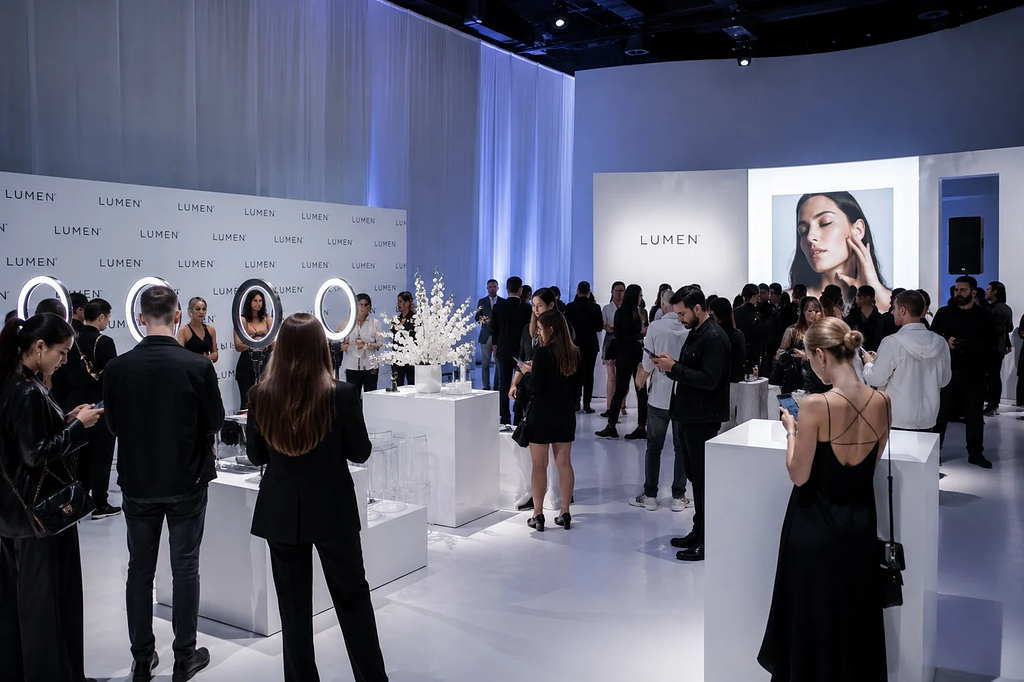
Before diagnosing the failure, the term needs defining. "Generic" in a brand activation context does not mean low-budget or poorly executed. Some of the most generic activations in recent memory have been expensive, logistically flawless, and entirely forgettable.
Generic means: optimised for attendance and photography, not for meaning. It means the creative decisions were made by eliminating risk rather than pursuing resonance. It means the brand could be swapped out for a competitor and nobody in the room would notice for the first twenty minutes. Generic means the activation was designed to be approved, not to be remembered.
The symptoms are consistent across categories. High production values, low cultural specificity. A concept that could apply to any brand in the sector. References drawn from what worked at last year's awards show rather than from any genuine understanding of the audience's cultural world. A headline KPI of footfall or impressions rather than any measure of what people actually felt or did after they left.
The simplest test: remove the logo. If the activation still makes sense as a cultural experience, it was built on something real. If it collapses without the brand name holding it together, it was generic from the brief stage.
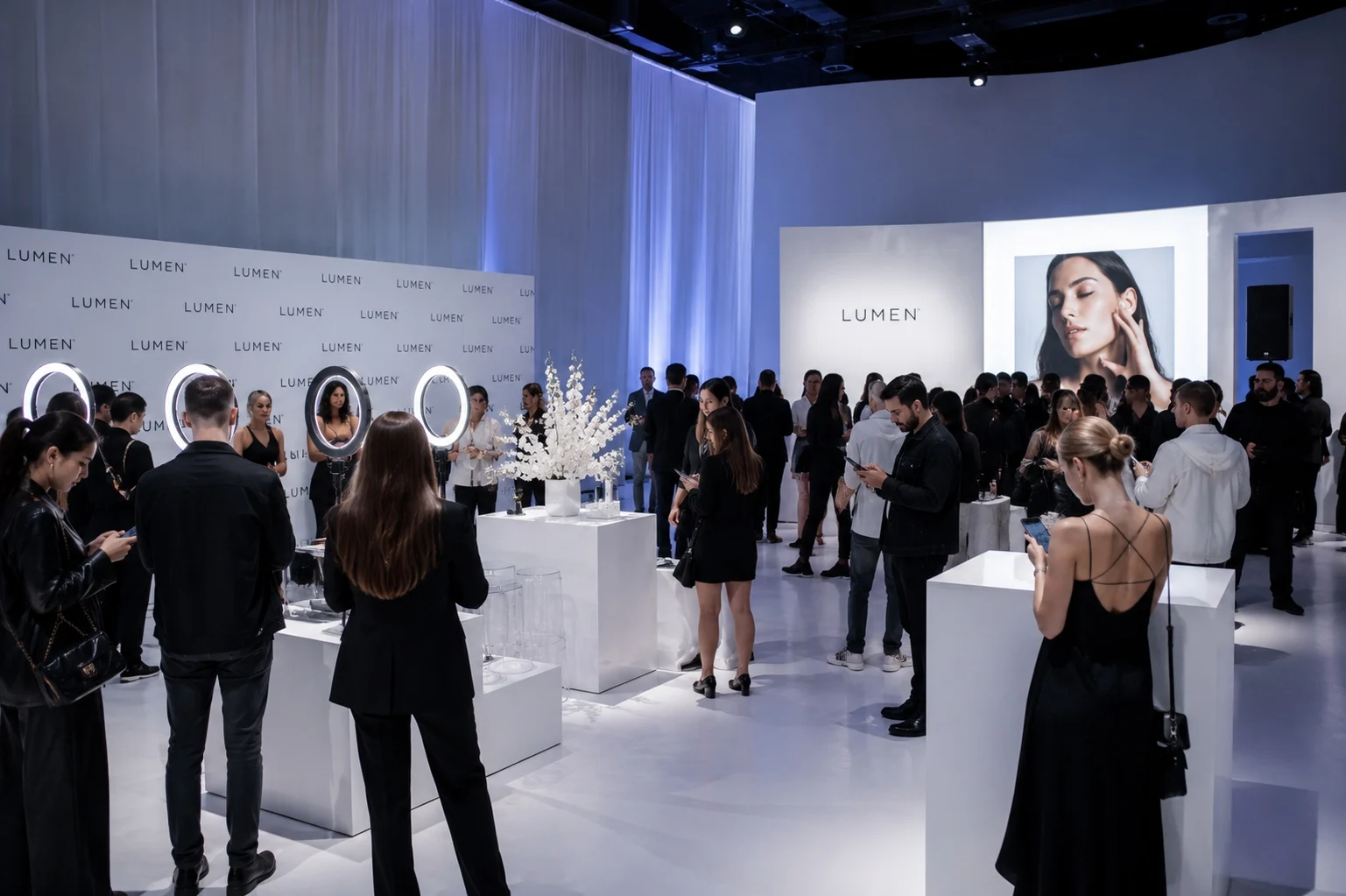
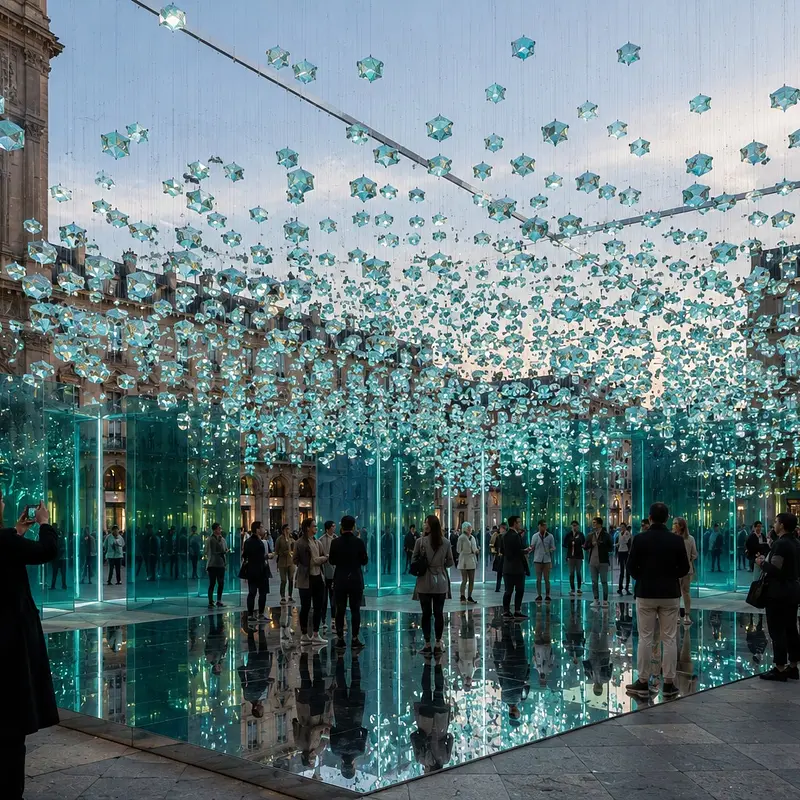
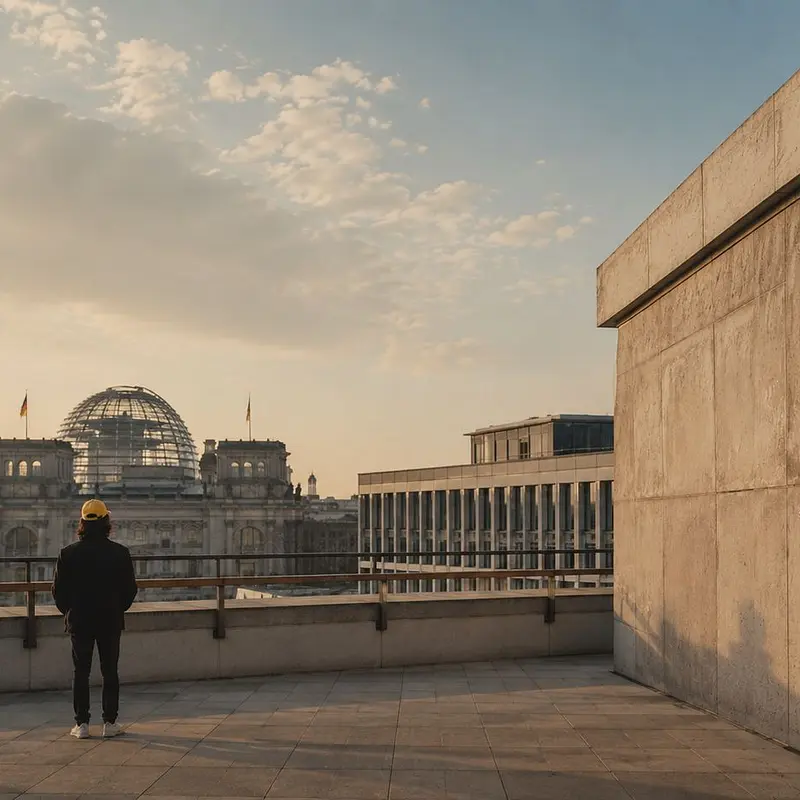
High production value, low resonance — the defining paradox of generic brand activations. AI-generated.
The Structural Forces Accelerating the Failure
This is not a recent development. The seeds were planted in how the marketing industry organised itself around the brief-to-execution pipeline. Agencies built operational models optimised for repeatability. The same creative directors, the same production vendors, the same experiential formats — recycled and re-skinned for each new client brief. The model worked when audiences had limited exposure and limited reference points. It stopped working when those conditions changed.
Three structural forces are now accelerating the failure simultaneously.
Audience sophistication has outpaced agency output. Today's brand audiences — particularly in premium and luxury categories — are more culturally literate than any previous generation of consumers. They travel, they engage with global creative culture, they follow artists and designers and architects whose work sets the reference point. When a brand activation borrows aesthetic language from that world without any genuine relationship to it, they notice immediately. The cultural literacy gap has flipped: audiences now know more about what authentic creative work looks like than the average agency brief assumes. Kantar BrandZ research finds that brands with high cultural relevance grow nearly six times faster than those with low cultural relevance — a gap that is not closing, because the sophistication of audiences is accelerating faster than the generic model can adapt.
The attention economy has created a new standard for earning presence. Brands used to be able to buy presence. Spend enough on a tent at a festival, a sponsorship logo on a wall, a sampling table in a retail space, and the audience was captive by circumstance. That captivity is gone. Audiences at even the most tightly produced events are simultaneously present and elsewhere — scrolling, messaging, comparing.thanks! The question is no longer whether they showed up. The question is whether the phone comes out in service of the brand — or simply in spite of it. According to Edelman's 2025 Brand Trust research, 73% of consumers say their trust in a brand increases when it authentically reflects culture — and only 27% say the same when a brand ignores culture and focuses on product alone. Attendance without cultural resonance is not just neutral. It is actively costly.
The social media evidence layer has become merciless. The original promise of experiential marketing was that a brand could control the story by controlling the environment. Social media ended that. Every activation now exists twice: as the experience itself and as the aggregate of what audiences chose to document and share. Generic activations generate documentation — people photograph the branded corner, the product placement, the logo wall — but not advocacy. Documentation without advocacy is the worst possible outcome: the brand paid for presence, and the audience archived it without meaning.
The agency model's role is structural, not personal. It is worth being precise about this because the failure of generic activations is frequently misdiagnosed as a talent problem. It is not. The agencies producing generic work are often full of genuinely talented people. The problem is that the brief-to-execution pipeline they operate within optimises for something other than cultural resonance. It optimises for repeatability, for manageability, for a client approval process that rewards predictability. Talented people inside that structure still produce generic output — not because they lack ability, but because the model has already made the meaningful decisions before the creative work begins. Changing the output requires changing the model, not the people.
What Audiences Are Doing Instead
The most instructive signal is not what audiences say about generic activations. It is what they do.
They attend — because the event is attached to something else they wanted to be at. They document — because documentation has become a reflex, not an endorsement. They leave — without telling anyone why. And the next time that brand runs an activation, the same people show up with the same detachment.
The replacement is not a new format. It is not immersive technology, AI-generated environments, or the next category of spectacle. Spectacle was always available. The generic model was built on spectacle. What is replacing generic brand activations is cultural depth — and cultural depth requires a fundamentally different relationship between a brand, its brief, and the creative collaborators it brings in.
Culturally grounded activations involve real artists and real creative vision at the strategy stage, not as decoration at the execution stage. That is the critical distinction. The generic model brings in creative talent to make the predetermined concept look better. The replacement model brings in creative collaborators to help determine what the concept should be.
The clearest working example of this in practice is Loewe. When Jonathan Anderson took over as creative director in 2013, he did not commission a brand activation strategy. He spent a year re-imagining what the brand stood for and concluded it should be cultural before it is commercial. In his own words, in a conversation with Sotheby's, the question he asked himself on arrival was: "What does 'luxury brand' mean today?" — and his answer was that it should be cultural, expressed through collaborations with ceramicists, weavers, and sculptors rather than through marketing programmes. That conviction became structural: the Loewe Craft Prize, the Chance Encounters series at Art Basel, artisan partnerships that were never briefed as marketing projects. The activations that followed were the downstream expression of a cultural position the brand had already earned. Audiences at a Loewe activation are not being exposed to a brand. They are being invited into a cultural world that exists independently of the commercial transaction. That is the standard the generic model cannot meet.
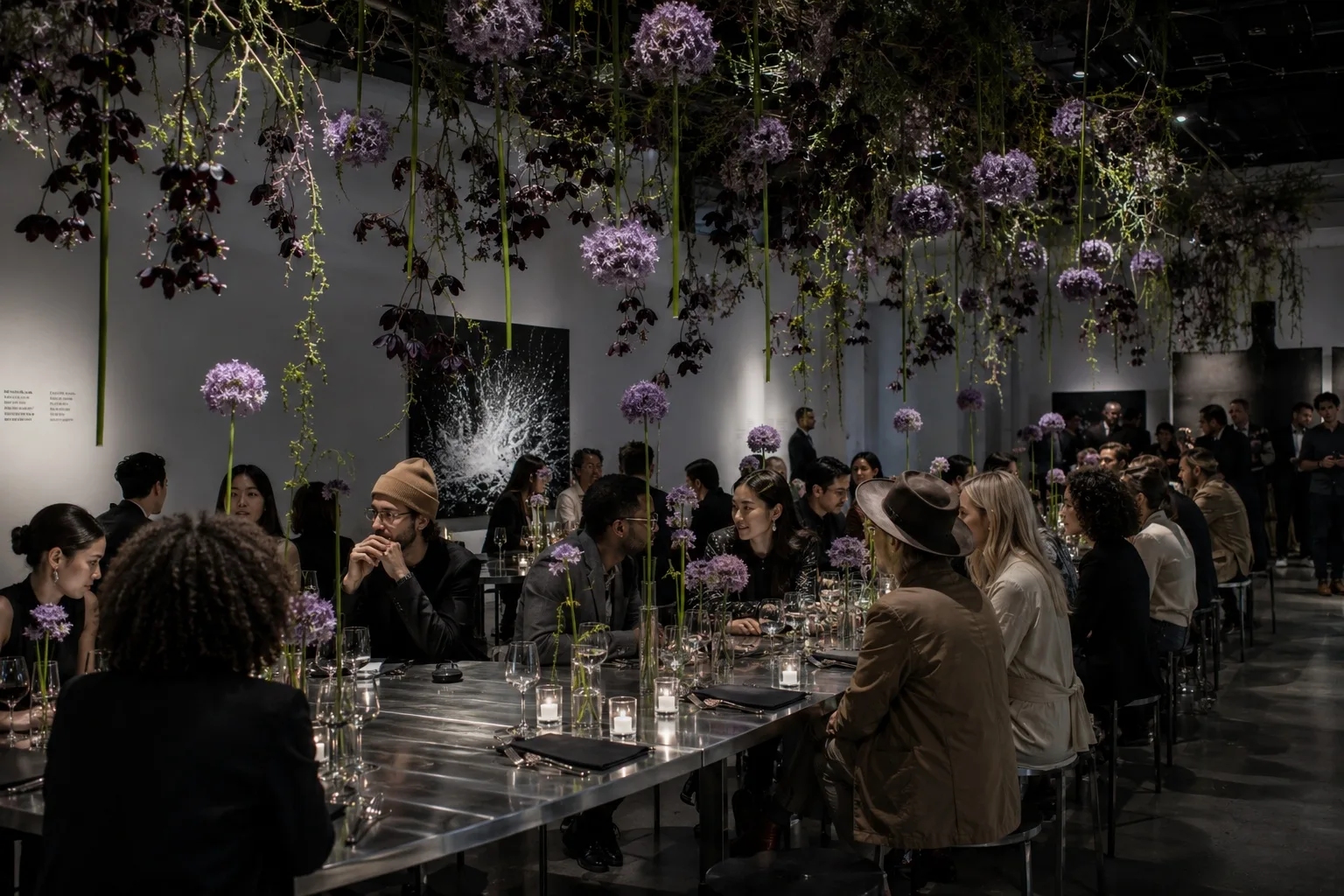
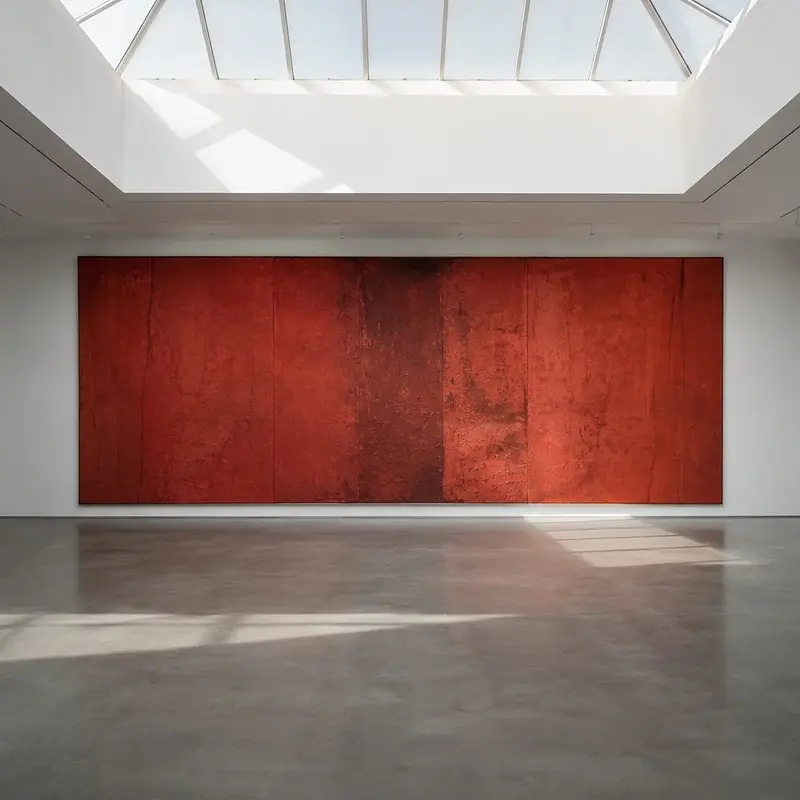
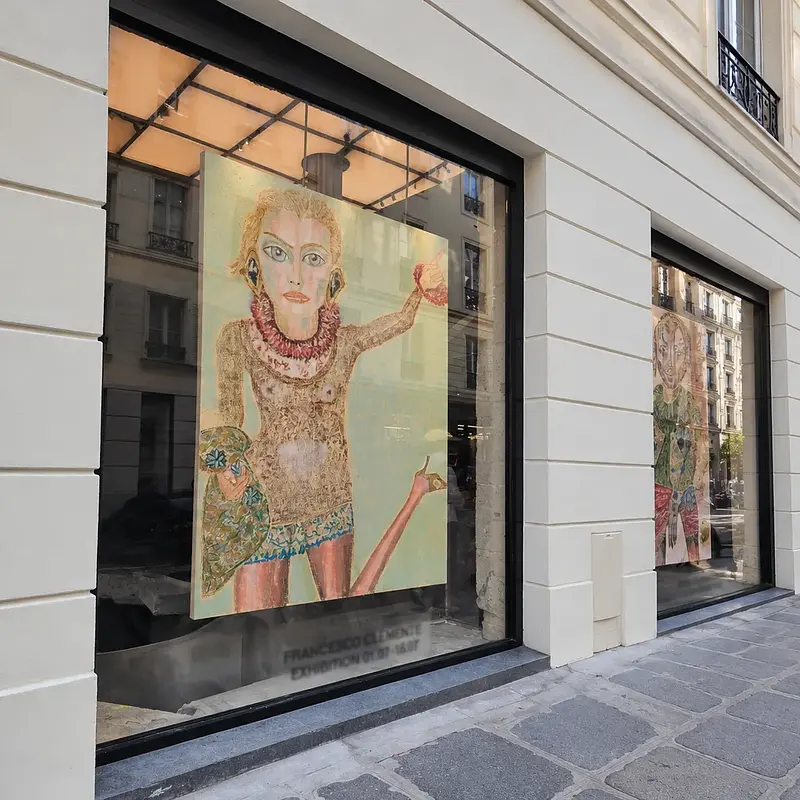
When creative vision enters at the strategy stage, the activation becomes something audiences remember. AI-generated.
The Brief as the Turning Point
None of this is possible if the brief does not allow for it. The brief is the turning point — and it is the place where most brands close the door to cultural depth before the process has begun.
A brief that produces generic activations typically specifies the format before the idea. It defines the footprint, the production budget, the number of touchpoints, and the Instagram-optimised hero moment — and then asks creative partners to fill it in. The creative answer to that brief is almost always generic, because the brief has already made the meaningful decisions and left only the decorative ones open.
A brief that opens the door to cultural depth asks different questions. It starts with: what does this brand actually stand for, and what creative communities genuinely share that value? It asks: what would a genuinely interesting artist or artisan see in this brand that could become the basis for something real? It asks: if we removed the logo from this activation, would anyone still care? Those questions are uncomfortable. They require a brand team to have genuine conviction about its own identity — not a positioning document, but a point of view. And they require an agency partner that knows how to work in that space, rather than defaulting to the format library.
The Transition: What It Actually Requires
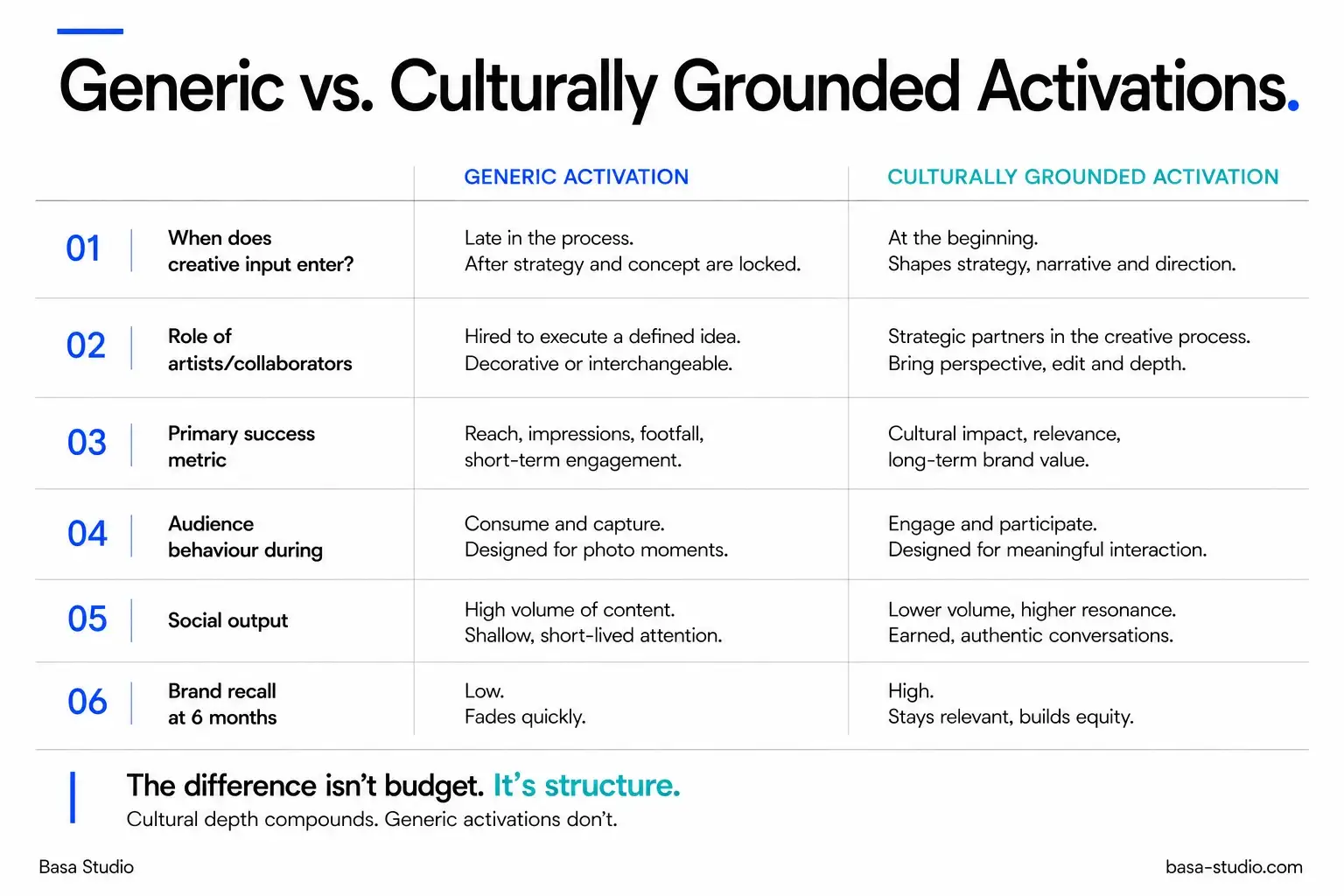
The transition from generic to culturally grounded is not a budget decision. Brands spend extraordinary amounts producing generic activations. The money is not the constraint.
The constraint is structural willingness — on the brand side and the agency side — to operate differently. For the brand team, it means building relationships with cultural collaborators that are not only transactional. It means bringing creative partners in earlier, with more latitude, and being genuinely open to outcomes that were not pre-specified in the brief. It means accepting that cultural depth cannot be quality-controlled into existence. It has to be invited.
For the agency, it means being honest about the limits of the brief-to-execution model — and building a practice that is genuinely capable of something different. Not every agency has spent a decade at the intersection of art and commerce. Not every agency can walk into a room with a sculptor, a furniture maker, or a muralist and have a strategic conversation about how their practice relates to a brand's long-term cultural authority. That capability is either built or it is not.
The brands making this transition — across automotive, luxury, lifestyle, and technology — are not doing it because it feels culturally responsible. They are doing it because generic activations are no longer delivering returns that justify the investment. The death of generic marketing is not a values statement. It is a performance reality.
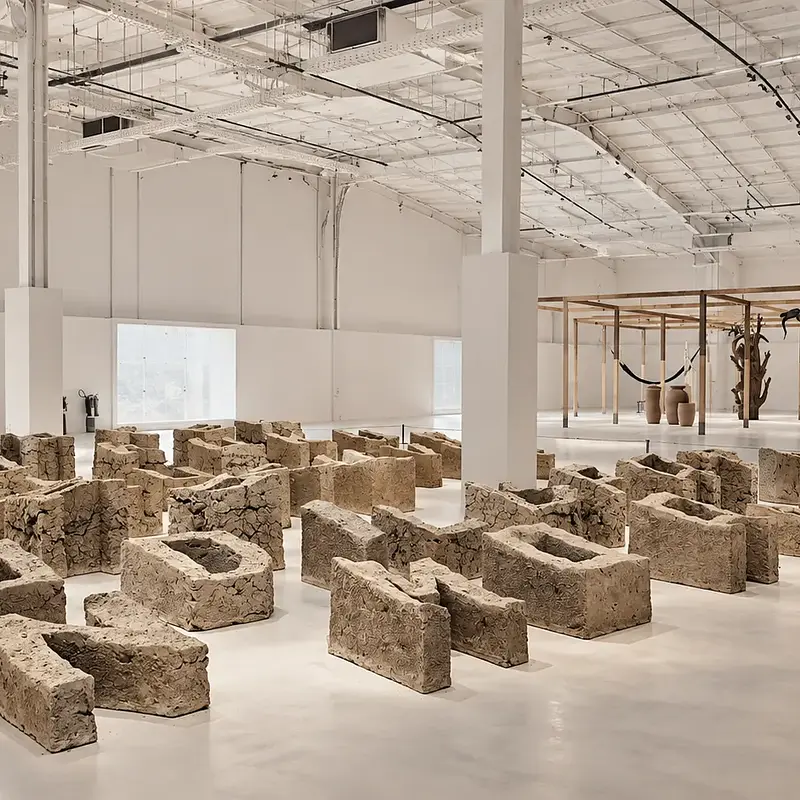
The difference between generic and culturally grounded activations is structural — it shows up in every dimension from brief to recall.
The brands still running the same activation model they used five years ago are not behind the trend. They are behind their audiences. And that is a gap that production budgets cannot close.
Related creative stories
Browse through other features, interviews and guides to discover creative brand collaborations, meet innovative artists and creators, find out how new artforms are energizing advertising, & more.
We're excited to hear from you! If you're looking for artistic solutions for your next creative marketing campaign, send us your briefing. We can also help create a killer concept if you're in an early ideation phase. Check out our services for more.
Send your briefing
About you
THANK YOU
Your inquiry has been sent
We have received your inquiry. We'll get back to you within 24-48 hours to discuss your project. If you need urgent assistance, reach us on WhatsApp: +49 176 432 64506. In the meantime, we invite you to explore our insights, case studies, and lessons from building culturally grounded brand experiences.
Please contact us by phone if you're not able to reach us via this form.
THANK YOU
We have received your inquiry. We'll get back to you within 24-48 hours to discuss your project. If you need urgent assistance, reach us on WhatsApp: +49 176 432 64506. In the meantime, we invite you to explore our insights, case studies, and lessons from building culturally grounded brand experiences.
We use cookies to help empower our artists and make them accessible to clients. Check out our Privacy Policy and Terms of Service to see how your data can make a difference.