Brand destination design is the discipline of building permanent cultural landmarks — and the long-term equity strategy most CMOs haven't yet made.
Most brand touchpoints are designed to earn attention. A landmark project earns something rarer: a place in cultural memory. It is the difference between a brand that campaigns and a brand that belongs — to a city, to a community, to a moment in architectural and cultural history that no budget cycle can erase.
This is the article for the CMO thinking in decades, not quarters. Who has run the activations, measured the impressions, and now wants to know what it looks like to build something that outlasts them.
What Brand Destination Design Is — and What It Is Not
Brand destination design is frequently confused with two things it is not: destination branding, which is the practice of marketing a place to tourists, and branded art installations, which are significant cultural moments but time-limited by definition.
A branded art installation operates within a defined time horizon — it is built to create a cultural moment, and its temporariness is often part of what gives it urgency and power. Brand destination design works on a fundamentally different logic: permanent or semi-permanent, destination-defining, built not to punctuate a brand's cultural presence but to anchor it for years, often for generations. The brief, the budget logic, the creative process, and the measure of success are all different. One format is not superior to the other — they serve different strategic ambitions at different stages of a brand's cultural development.
So what makes a project a genuine cultural landmark brand — rather than simply a large or expensive one?
The answer is not scale. Some of the most culturally embedded permanent brand installations are modest in footprint. Some of the most expensive branded structures are forgotten within a decade. A landmark is defined by three qualities: permanence, cultural embeddedness, and destination-worthy quality.
Permanence means the project was built to stay — physically and culturally. Not a pop-up extended by popular demand. A commitment, made at the brief stage, to build something that belongs to a place in perpetuity.
Cultural embeddedness means the project draws from the specific character of the place it occupies — its history, its community, its existing creative ecosystem — rather than imposing an external brand identity onto neutral ground. A brand destination that could exist anywhere will mean nothing anywhere.
Destination-worthy quality means people travel to see it. Not because it is branded, but because it is worth experiencing. A landmark project earns coverage in the cultural and architectural press, not just the marketing press. It appears on city tourism pages. It is referenced in conversations that have nothing to do with the brand that funded it.
This is what separates brand destination design from large-scale activation: the measure of success is not impressions. It is whether, five years later, the project has become part of how people understand that city.
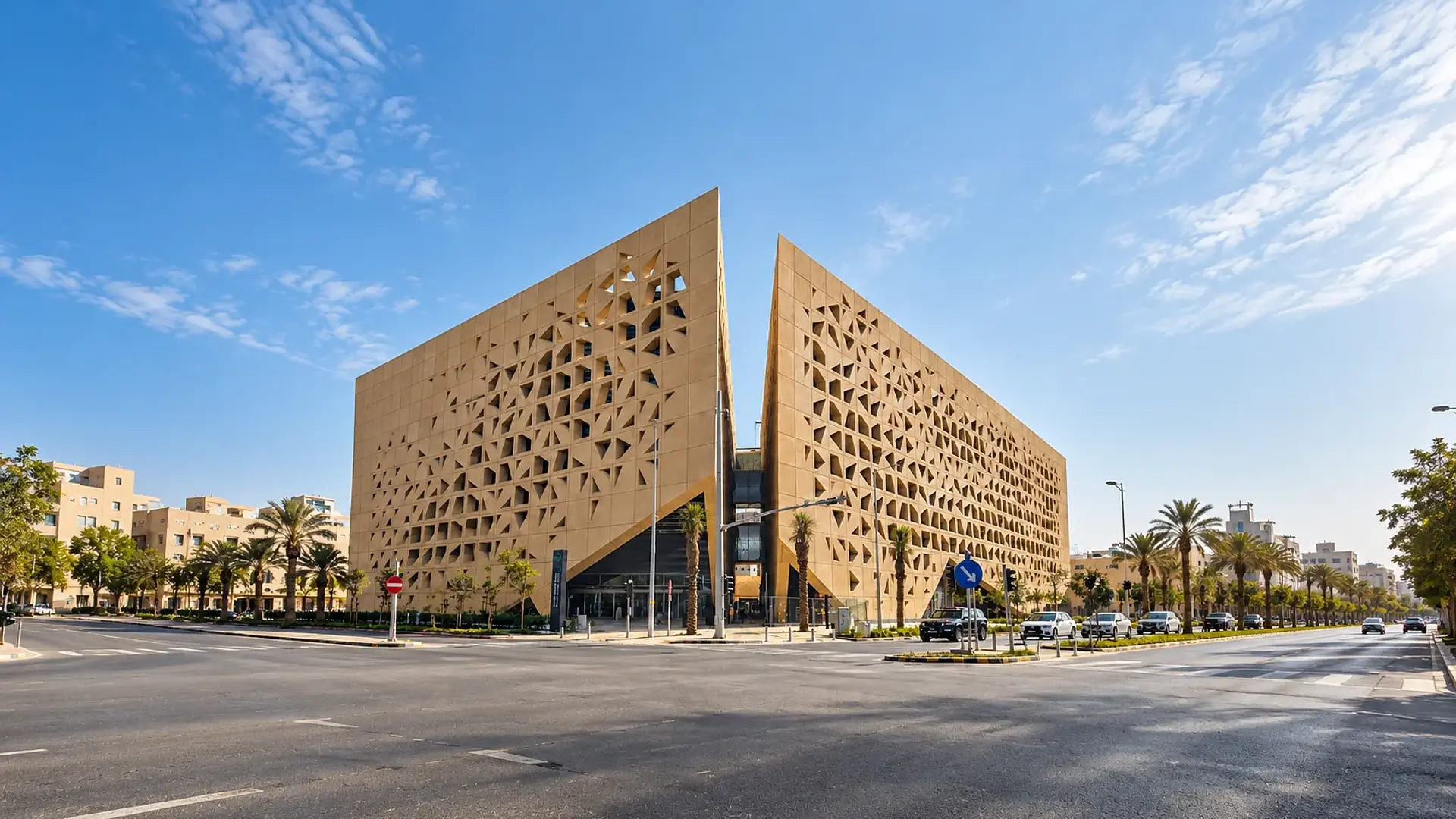
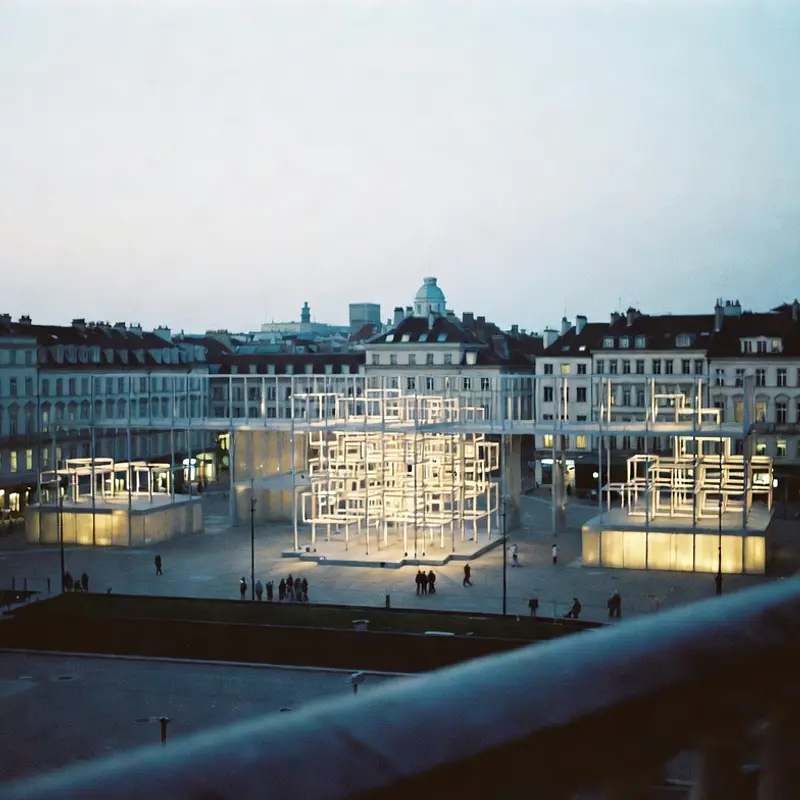
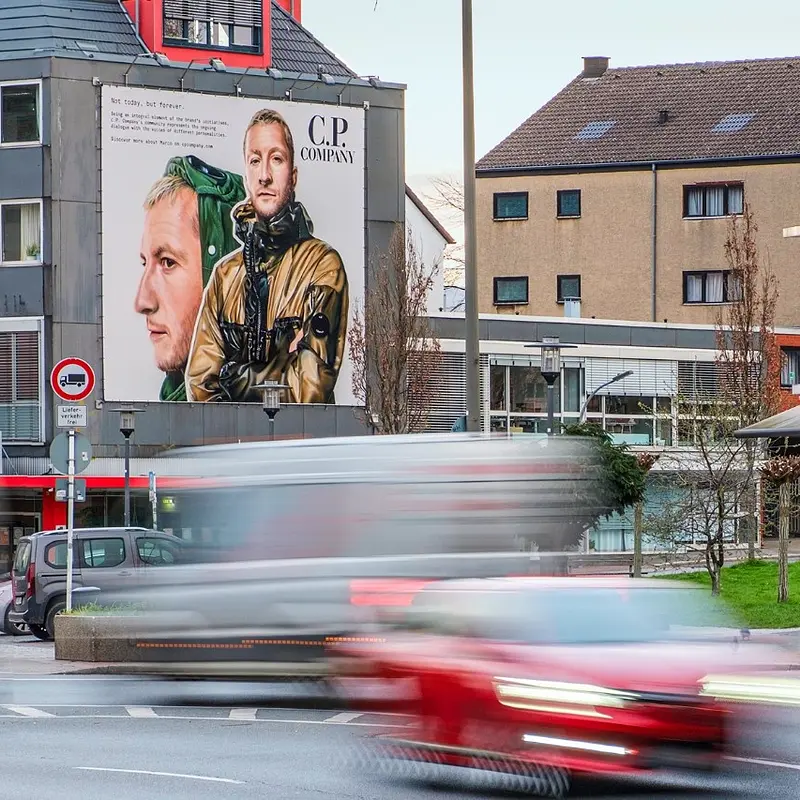
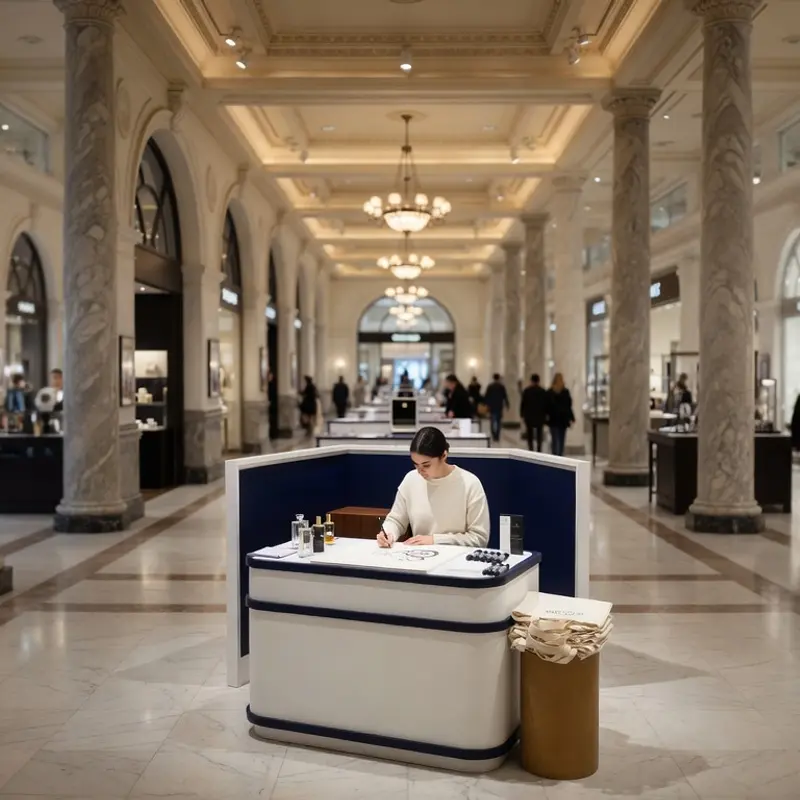
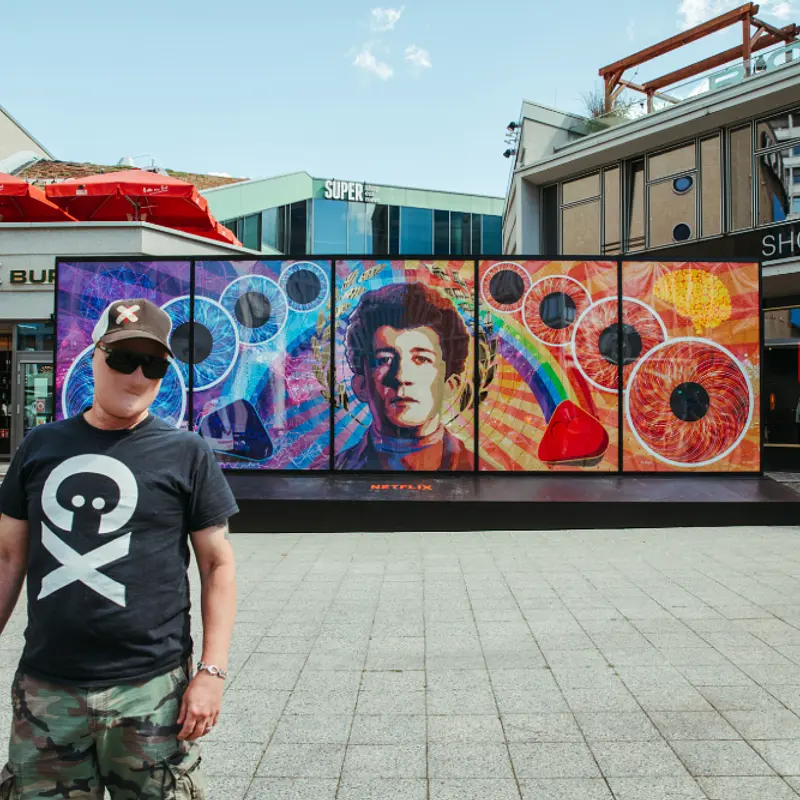
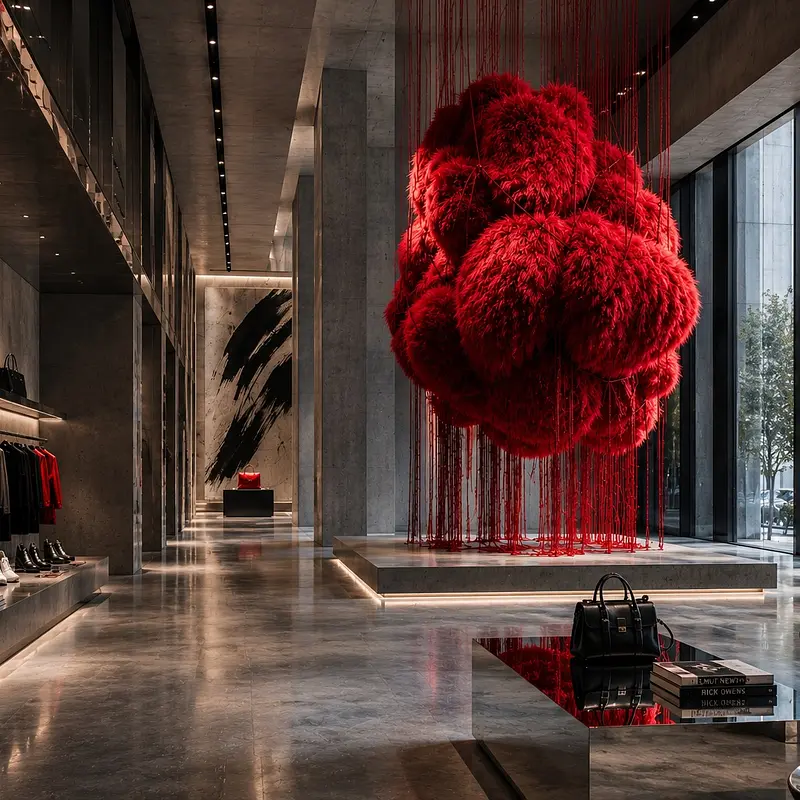
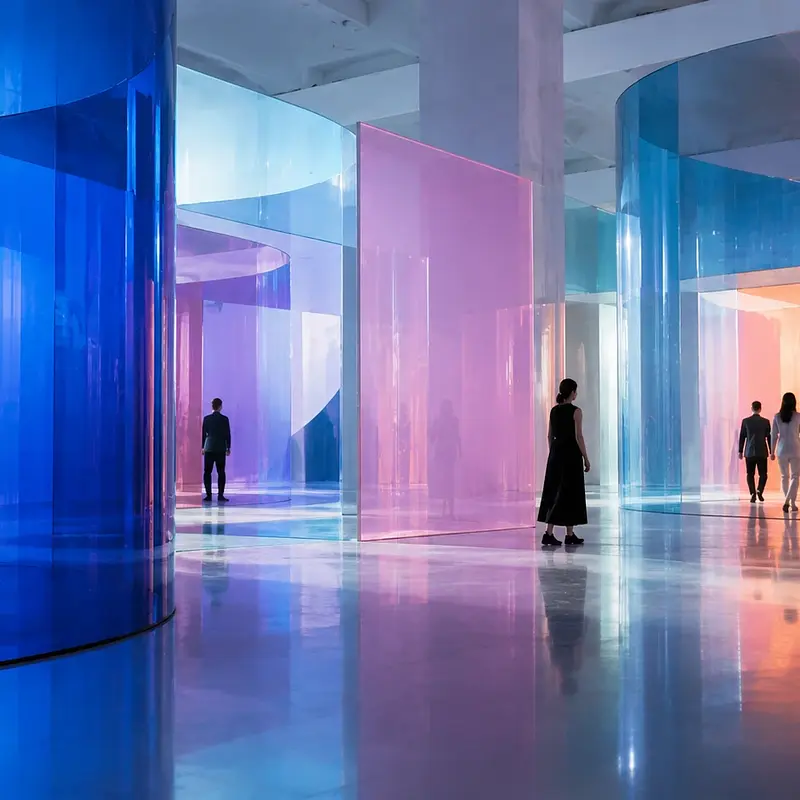
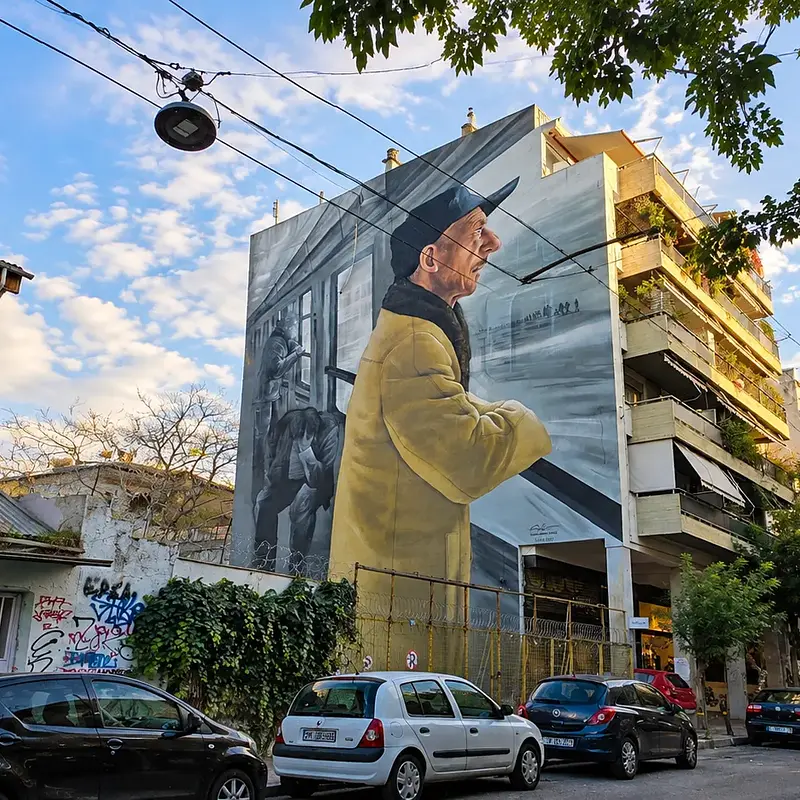
The most successful brand destinations earn their place in a city's cultural geography — visited, photographed, and discussed independently of the brand that built them. AI-generated.
The Case for a Permanent Brand Installation: Compounding Equity
Brand leaders are trained to think in campaign cycles. A permanent brand installation demands a fundamentally different financial logic — one that most marketing teams are not equipped to argue internally, but that CFOs and boards can follow when framed correctly.
A campaign budget is consumed as it is spent. Media placements run, impressions are generated, the investment depreciates to zero. A landmark project operates on a different logic entirely. The upfront investment compounds over time in ways that no campaign can replicate.
Consider what a genuine brand destination generates after the opening year is over. It draws ongoing visitor traffic — earned, not paid. It generates continuous coverage in architecture, design, travel, and cultural media without requiring incremental spend. It anchors brand association in physical space so durably that the connection between brand and place becomes part of how people describe both. And it creates an evergreen platform for programming, partnerships, and cultural moments that would cost multiples more to stage from scratch.
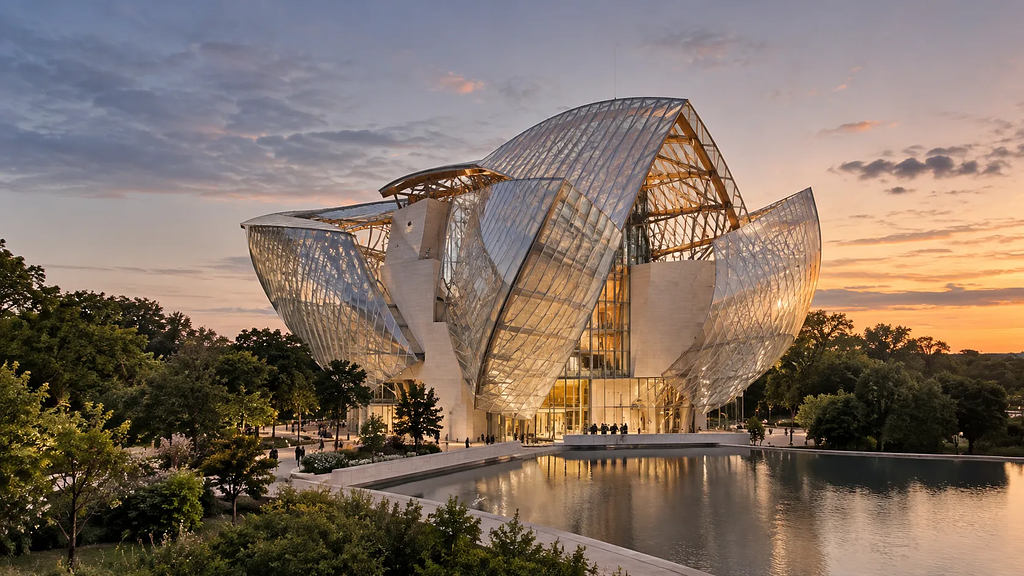
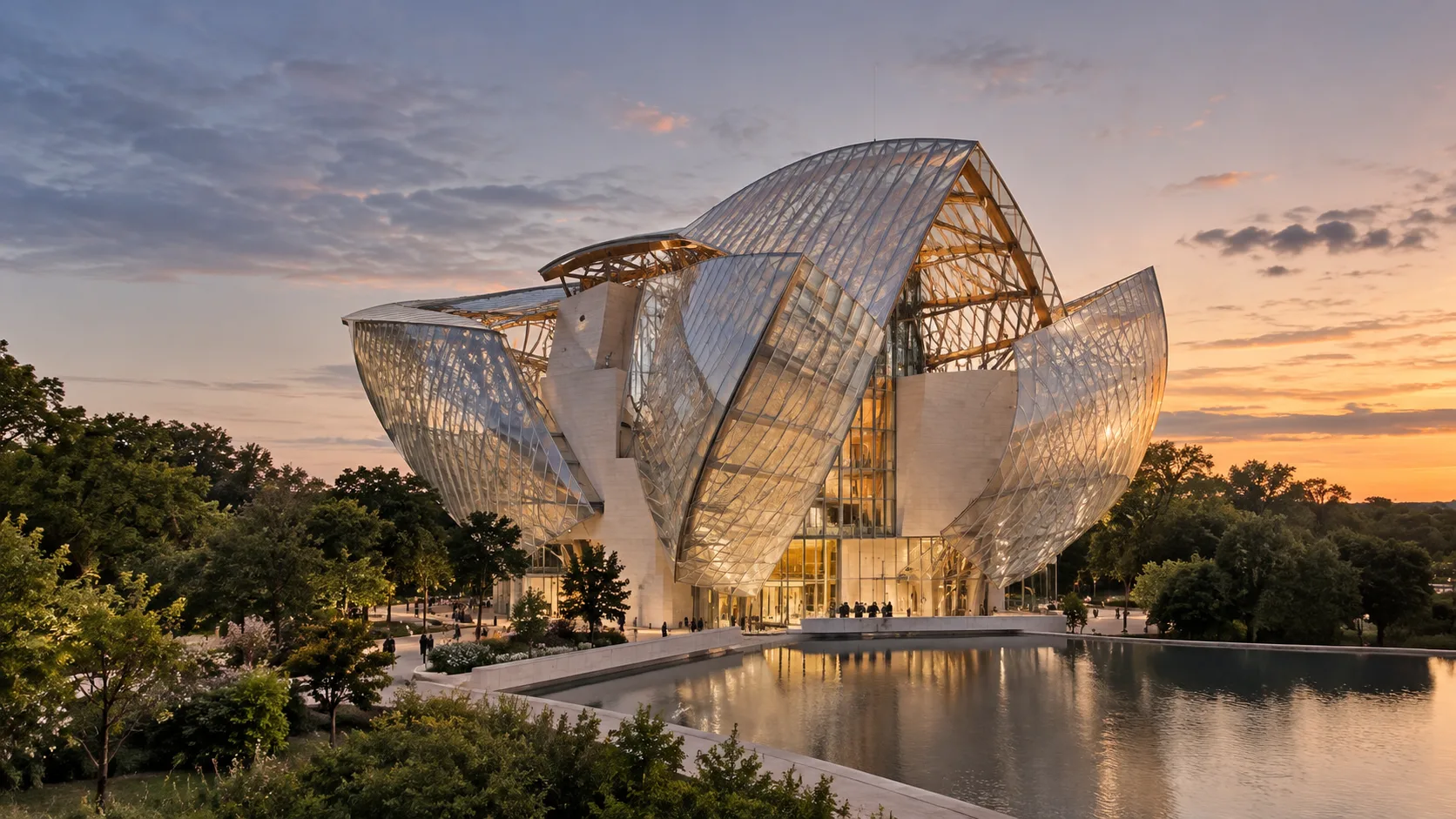
The Fondation Louis Vuitton, opened in Paris in 2014 in a Frank Gehry-designed building on the edge of the Bois de Boulogne, had drawn more than 11 million visitors by 2024 — a figure cited directly in LVMH's 2024 annual results. Each of those visits is a brand encounter that LVMH did not pay for through media buying. The building has been consistently covered in architectural, travel, and cultural media since its opening — generating a sustained volume of earned media that no campaign budget could sustain at equivalent quality over the same period.
Red Bull Hangar-7 in Salzburg tells a parallel story from a different brand category. Opened in 2003 on the grounds of Salzburg Airport, the wing-inspired glass-and-steel structure was built to house the brand's collection of historic aircraft and Formula 1 cars alongside rotating contemporary art exhibitions and a Michelin-starred restaurant running a globally unique monthly guest chef programme. More than two decades after opening, Salzburg's official tourism authority lists it as a landmark and architectural highlight of the city — a permanent cultural destination in a city already defined by cultural institutions of the highest order. The brand association is total, permanent, and entirely distinct from anything Red Bull's advertising budget could have built.
Neither project was cheap. Both cost multiples of what an equivalent campaign budget would have spent. Both have generated returns — in brand authority, cultural association, and earned attention — that compound with every passing year. The investment thesis for a destination brand strategy is not cost efficiency. It is asymmetric return over time.
Community Integration: Why Landmark Projects Succeed or Fail
The most common failure mode in brand destination design is treating community as a stakeholder to manage rather than a cultural force to learn from. Brands that approach a location as an opportunity — a plot of land, a footfall metric, a city with the right demographics — and build for their own brand identity rather than for that place, build projects that communities tolerate rather than adopt.
The tell is in how the project is described five years after opening. A landmark that belongs to a place is described by residents as "ours." A project that merely occupies a place is described by brand journalists as "theirs."
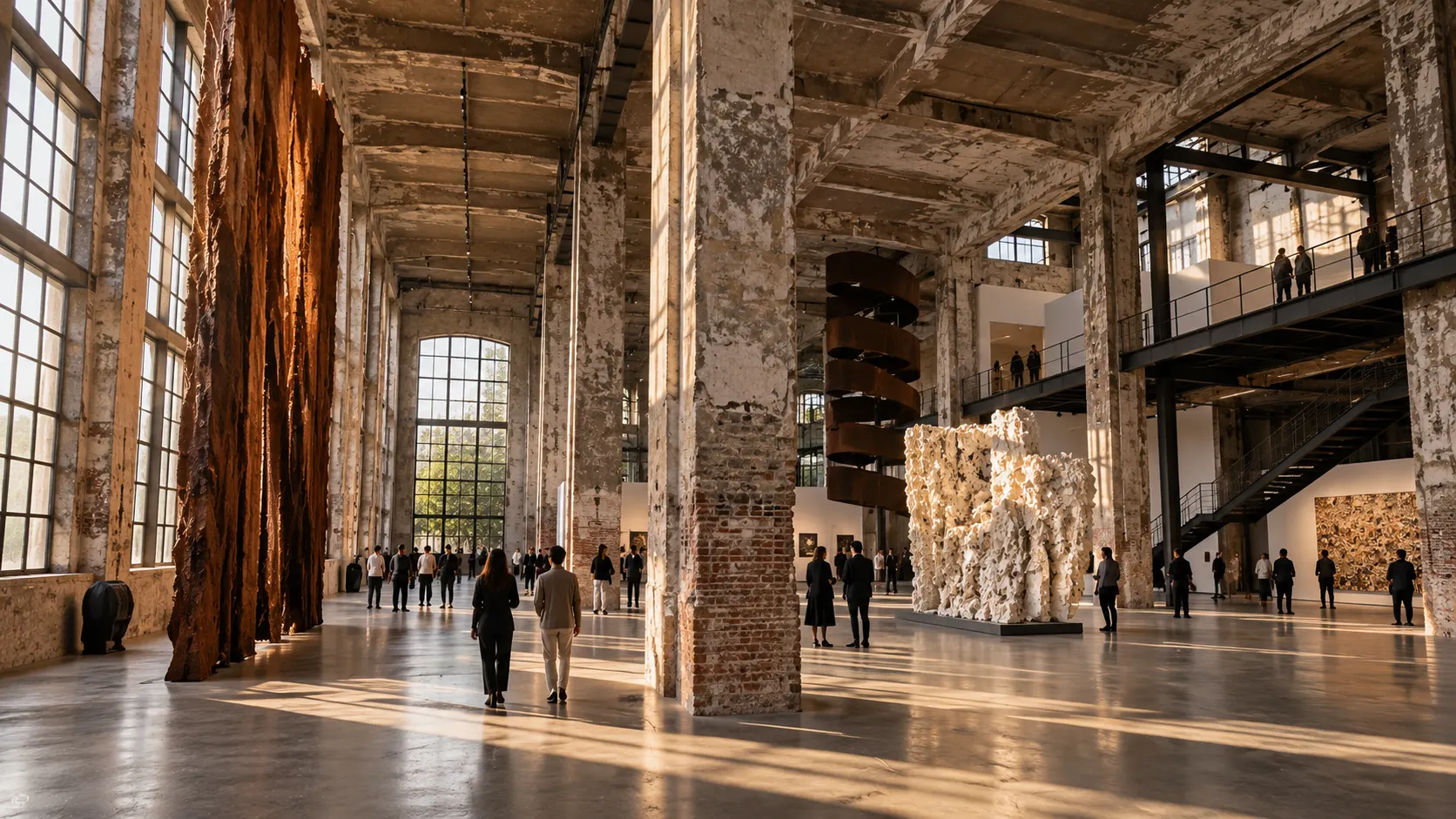
Fondazione Prada illustrates this at institutional scale. Founded in 1993 and given a permanent Milan home in 2015 — a former distillery complex in the city's Largo Isarco district designed by OMA and Rem Koolhaas — the foundation did not arrive with a finished brand narrative. It built one through sustained engagement with Italian contemporary artists, the city's existing cultural ecosystem, and a curatorial programme rooted in the conviction that art and study are useful and necessary for understanding how the world changes. The result is a cultural institution that Milan treats as genuinely its own — not a branded amenity provided by a fashion house, but a permanent contribution to the city's intellectual life.
The implication for any brand considering a landmark project is strategic, not operational: community and local culture are not constraints on the brief. They are the brief. What does this place already care about? What is missing from its cultural life that this brand has both the credibility and the means to provide? What does genuine cultural embeddedness look like — not performed community engagement, but actual creative integration with the artists, makers, and cultural figures who define the place?
These questions cannot be answered from a marketing department. They require cultural intelligence that precedes the design process entirely.
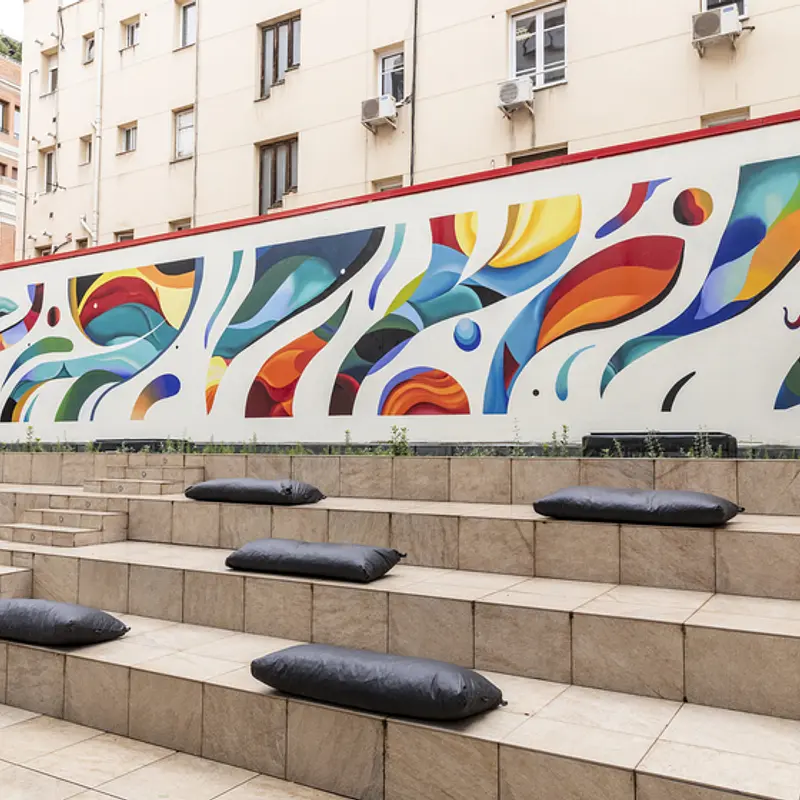
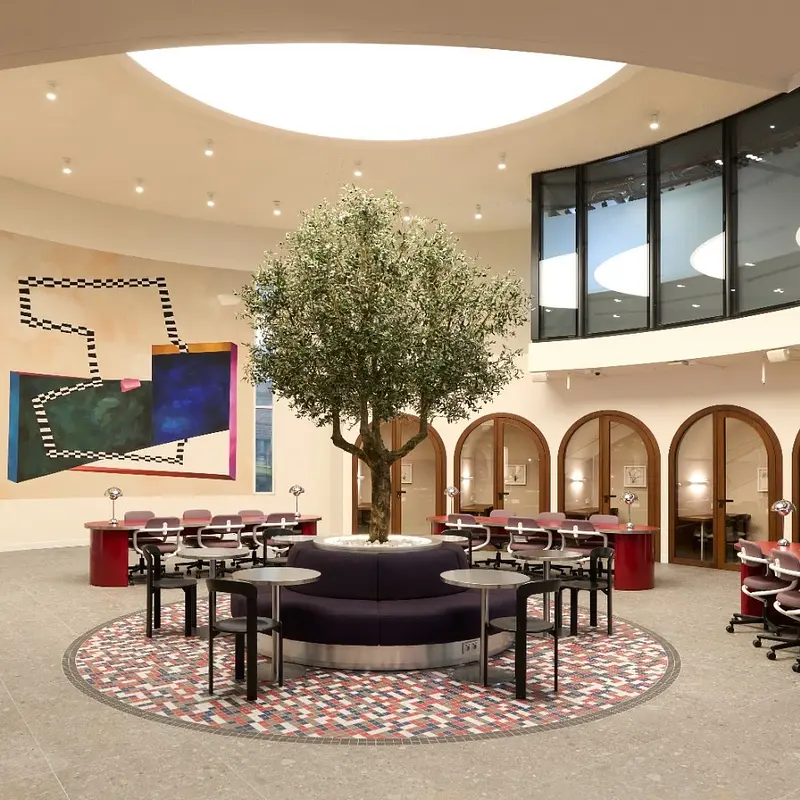
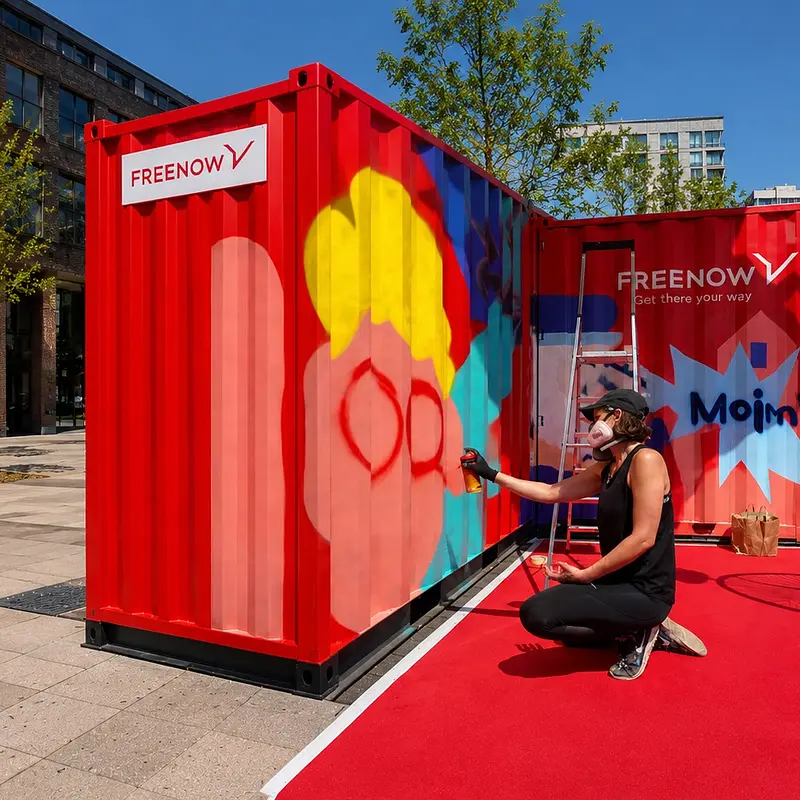
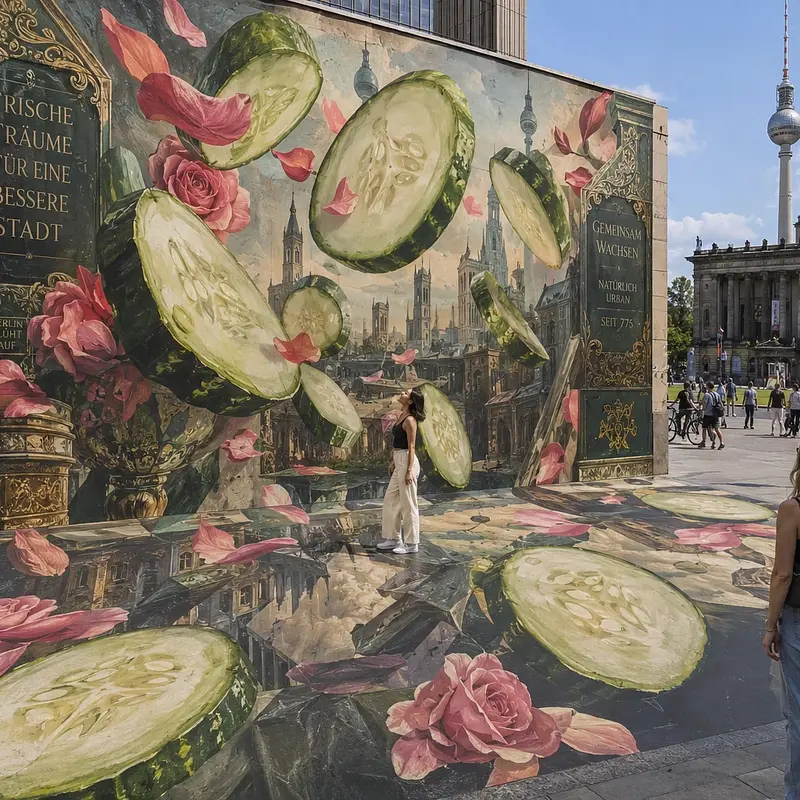
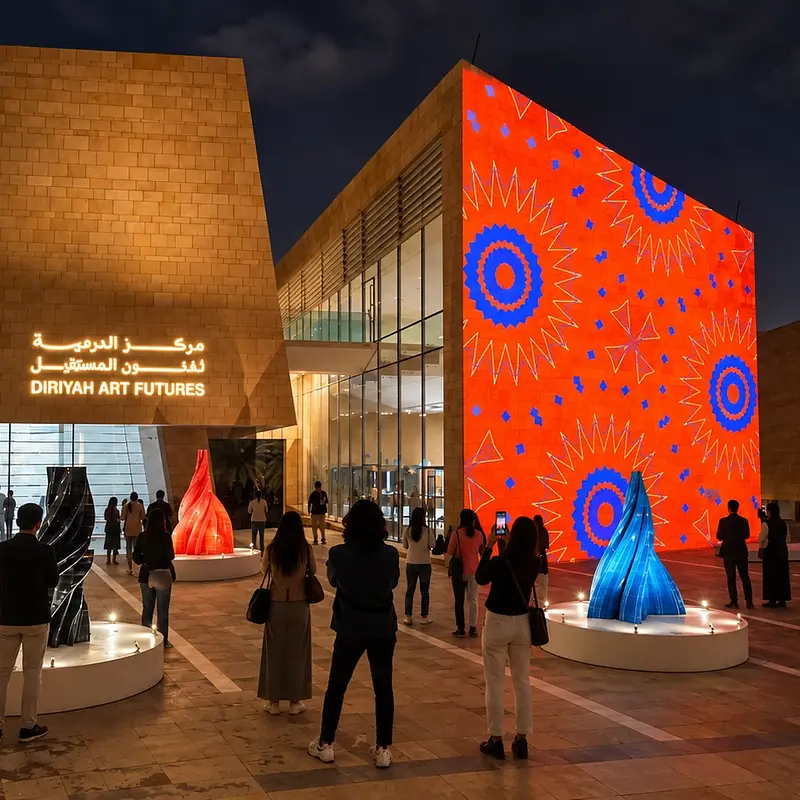
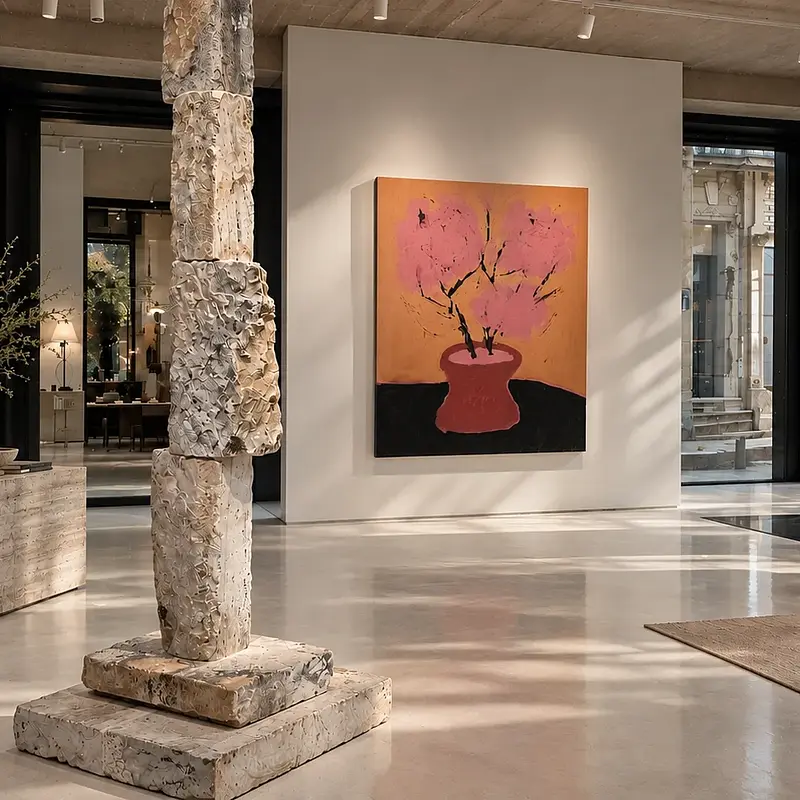
The most culturally embedded brand destinations are built from the character of the places they occupy — they do not import an identity, they grow one. AI-generated.
Why Art-Led Landmark Projects Carry Different Weight
There is a meaningful distinction between a landmark project designed by a brand and one shaped by an artist. It is not an aesthetic distinction. It is a cultural authority distinction — and it determines whether the work is discussed in design and architecture media, or only in marketing media.
A brand-directed landmark is a very large version of brand communication. It can be beautiful, ambitious, and expensive. What it cannot be is surprising. Because the brand's own values constrain its outcome, the work will always be legible as brand expression — and brand expression, however impressive, does not generate independent cultural authority.
An art-directed landmark — one where a significant artistic intelligence is given genuine creative authority, not just executional latitude — can exceed what the brand would have imagined for itself. That excess is where cultural authority lives. It generates architectural press coverage, independent cultural conversation, and the sense that this is a work of art that happens to have a brand behind it, rather than a branded object that contains some art.
This is why Frank Gehry's building for LVMH is discussed in the same conversations as his Guggenheim Bilbao. It is why Rem Koolhaas's Fondazione Prada complex is a reference point in architectural discourse, not only in brand discourse. The artistic intelligence involved exceeded the brand brief. That is the point.
For any brand commissioning a landmark project, the central question is whether the creative brief creates the conditions for that excess — or closes them down. A brief that defines outcomes in brand terms will produce a branded outcome. A brief that defines intent in cultural terms and gives genuine creative authority to the right architect or artist will produce something the brand could not have made alone.
That distinction is where brand destination design projects are won or lost — not in the construction phase, but in the briefing room.
Briefing a Landmark Project: What Is Different
A landmark project requires a different kind of brief. Not a more detailed version of an activation brief, and not a scaled-up version of a spatial experience brief. A fundamentally different document, built around fundamentally different questions.
What is the brand's relationship to this place? Not what the brand wants from the place, but what genuine connection exists — through history, values, community, or craft — that gives the brand legitimate standing to build something permanent here. If the honest answer is "the city has good footfall and the right demographics," the project will fail culturally regardless of how well it is designed.
What does this place need that we can provide? Landmark projects that endure fill a real cultural gap — a missing institution, a missing space, a missing platform for the community's own creative life. They are not built for the brand's benefit alone. They are built to serve the place, with the brand as the enabling force.
Who is the right creative intelligence? Not which architect or artist fits the brand's existing aesthetic. Which creative mind has a genuine relationship to this place, the artistic ambition to exceed the brief, and the track record to operate at this scale? Getting this wrong at the brief stage produces a beautiful object with no cultural authority.
What is the governance model over time? A destination brand strategy is not built around a project. It is built around an institution — and institutions require sustained editorial, curatorial, and operational thinking long after the opening press cycle ends. The brief should define not just the built outcome but the programming philosophy and the governance structure that keeps the project culturally alive for years.
These are not questions a creative agency asks. They are questions a strategic partner asks — one that understands cultural depth as a business asset and brand destination design as a long-term equity play, not a large-format activation.
The Standard Is Not the Brief. It Is the Place.
The most useful question a CMO can ask when considering a brand destination design project is not "how big should this be?" or "how much should we spend?" It is: "In ten years, will this be something the city is proud of?"
That question reframes every decision that follows. The architecture must be genuinely ambitious, not just impressive at scale. The cultural programming must serve the community's interests, not only the brand's. The artists and makers involved must be given real creative latitude. And the project must be built on a cultural intelligence that precedes — and will outlast — any individual campaign or marketing leadership cycle.
Brands that build to that standard build landmarks. Brands that build to their own brand standards build large, expensive, forgettable things.
The difference is not budget. It is the quality of the intent at the beginning — and the courage to hold that intent through every stage of a process that will test it. Basa Studio works with premium brands on landmark projects from initial strategic brief through creative direction and long-term cultural strategy — end-to-end, from the first conversation to the opening and beyond. If you are considering a permanent brand destination, get in touch.
Related creative stories
Browse through other features, interviews and guides to discover creative brand collaborations, meet innovative artists and creators, find out how new artforms are energizing advertising, & more.
We're excited to hear from you! If you're looking for artistic solutions for your next creative marketing campaign, send us your briefing. We can also help create a killer concept if you're in an early ideation phase. Check out our services for more.
Send your briefing
About you
THANK YOU
Your inquiry has been sent
We have received your inquiry. We'll get back to you within 24-48 hours to discuss your project. If you need urgent assistance, reach us on WhatsApp: +49 176 432 64506. In the meantime, we invite you to explore our insights, case studies, and lessons from building culturally grounded brand experiences.
Please contact us by phone if you're not able to reach us via this form.
THANK YOU
We have received your inquiry. We'll get back to you within 24-48 hours to discuss your project. If you need urgent assistance, reach us on WhatsApp: +49 176 432 64506. In the meantime, we invite you to explore our insights, case studies, and lessons from building culturally grounded brand experiences.
We use cookies to help empower our artists and make them accessible to clients. Check out our Privacy Policy and Terms of Service to see how your data can make a difference.