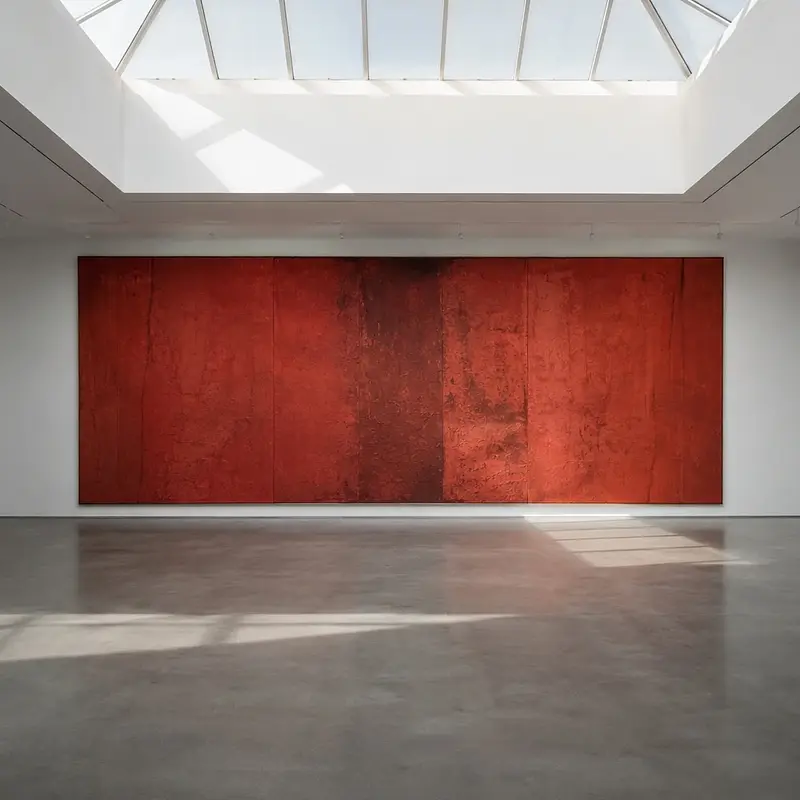
European brand building isn't a style preference — it's a structural advantage. Here's what makes it different, and why it matters.
There is a version of this argument that is nostalgic and ultimately useless — the idea that European brands are simply older and therefore better, that centuries of tradition confer automatic cultural authority. That version earns its dismissal. The real argument is more structural, and more defensible: European brands have built cultural depth not by accident of history, but because their operating environment — the artisan networks, the art world relationships, the civic attitude toward quality, the long-term ownership structures — has consistently rewarded it. That environment still exists. It still produces advantages. And for brands serious about building genuine cultural longevity, understanding it is a strategic necessity, not an aesthetic preference.
The Time Horizon Problem
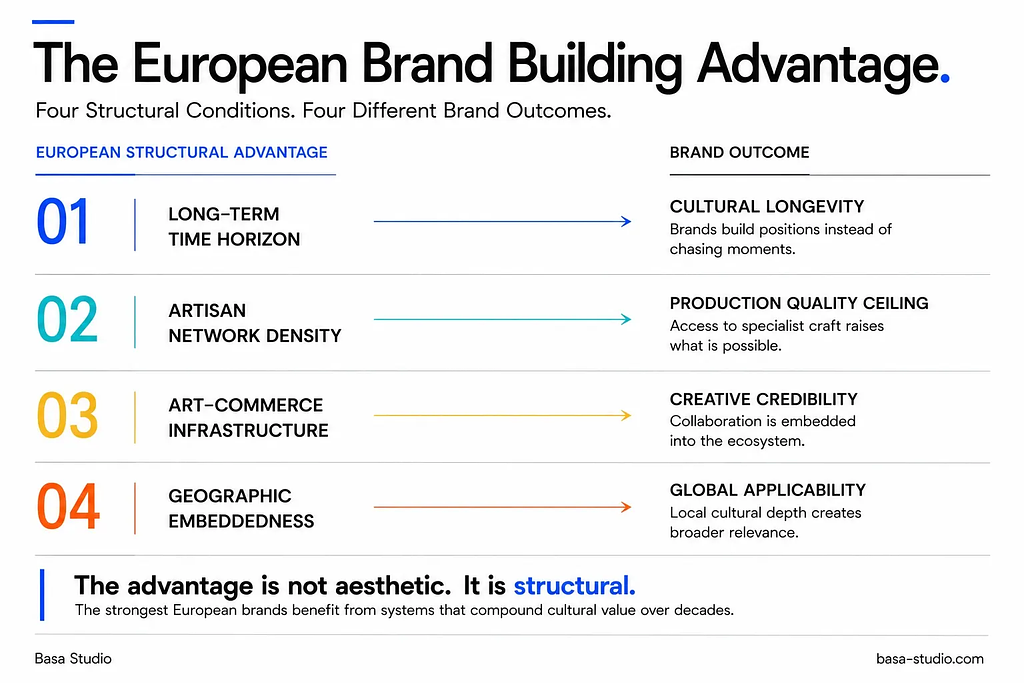
The most fundamental difference in European brand building is not aesthetic — it is temporal. Most marketing frameworks are built around short cycles: quarterly reporting, annual campaigns, three-year brand plans. European brands — particularly in luxury and premium categories — operate on a different clock.
Hermès has been making leather goods in Paris since 1837. Meissen has been producing porcelain in Saxony since 1710. Loewe, the Spanish leather house now helmed by Jonathan Anderson, traces its craft origins to 1846. These are not marketing talking points. They are structural realities that shape how these brands make decisions: what materials they use, which artisans they partner with, how slowly they move when cultural moments present themselves.
The longevity is not the advantage — the disposition that longevity produces is. A brand that thinks in decades does not chase trends. It builds positions. It accumulates cultural meaning the way a great institution accumulates trust — through consistency, through quality, through the steady practice of doing things properly.
This stands in direct contrast to the quarterly-driven cultural brand strategy that has become standard in American brand building, where cultural relevance is often purchased through short-term partnerships, celebrity endorsements, and social media moments designed for immediate impact. The cultural moments land, and then they disappear — because they were never connected to anything durable. For CMOs evaluating the luxury brand approach in European markets, this difference is not cosmetic. It is structural.
The Artisan Network Advantage
There is a practical infrastructure question buried inside the cultural brand building conversation, and European brands have quietly been the beneficiaries of its answer for generations.
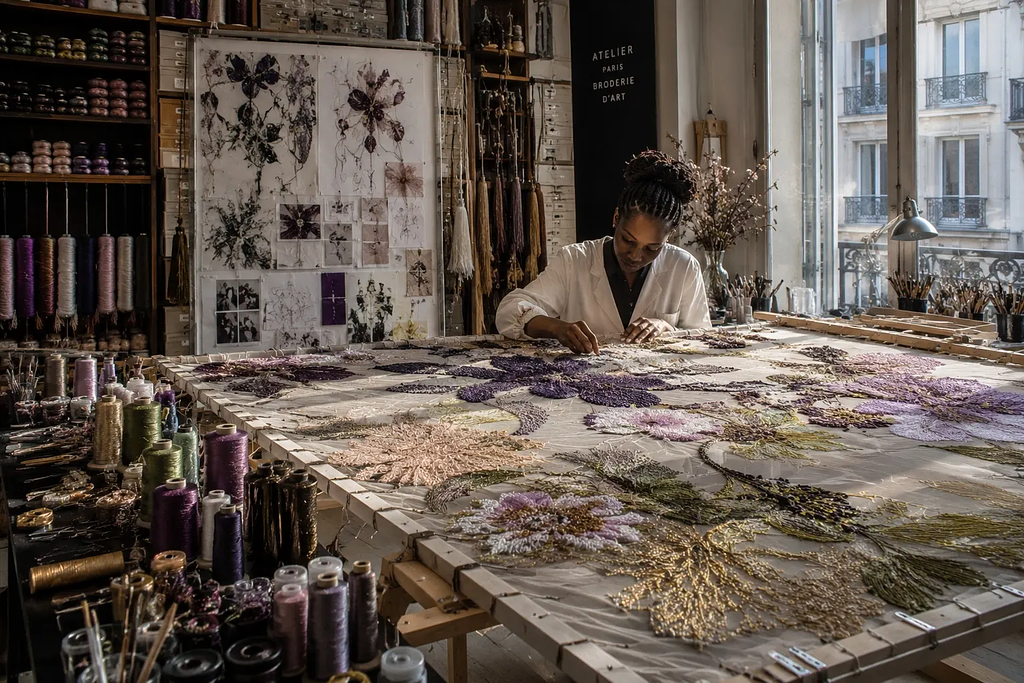
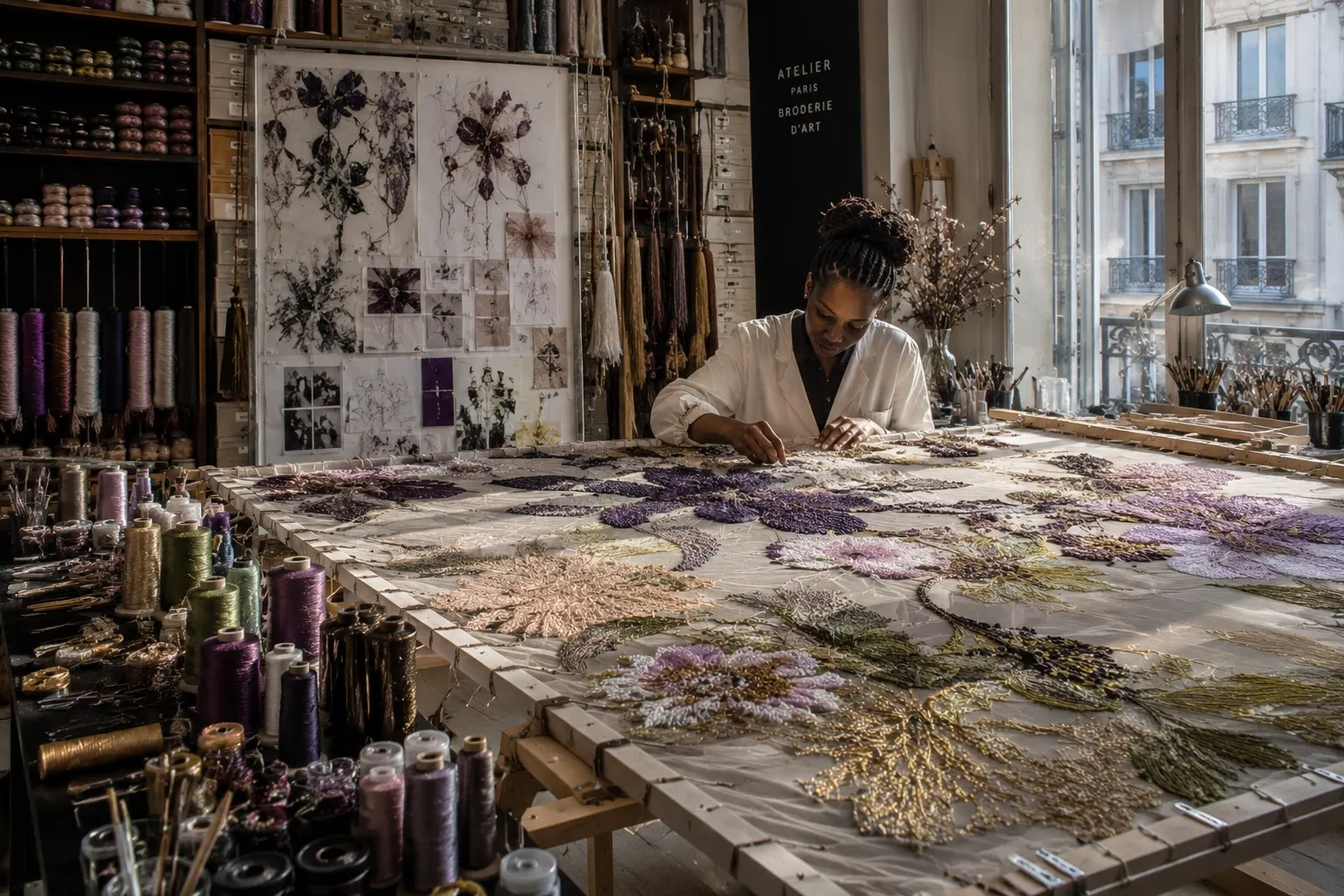
Europe's density of master craftspeople, specialist print workshops, material fabricators, and independent artisan studios is genuinely difficult to replicate at scale elsewhere. In Germany, the Handwerk tradition — a regulated apprenticeship system for skilled trades that dates to the medieval guild era — continues to produce cabinet makers, metalworkers, typographers, and textile specialists operating at standards that are structurally enforced, not merely aspirational. In Italy, the cluster economies of Emilia-Romagna and Veneto have for decades concentrated luxury leather, textile, and ceramic production in ways that give brands access to craft infrastructure no single company could build internally. In France, the Métiers d'Art tradition — formalised within LVMH but present far beyond it — treats artisanal expertise as an asset to be preserved, not a cost to be optimised.
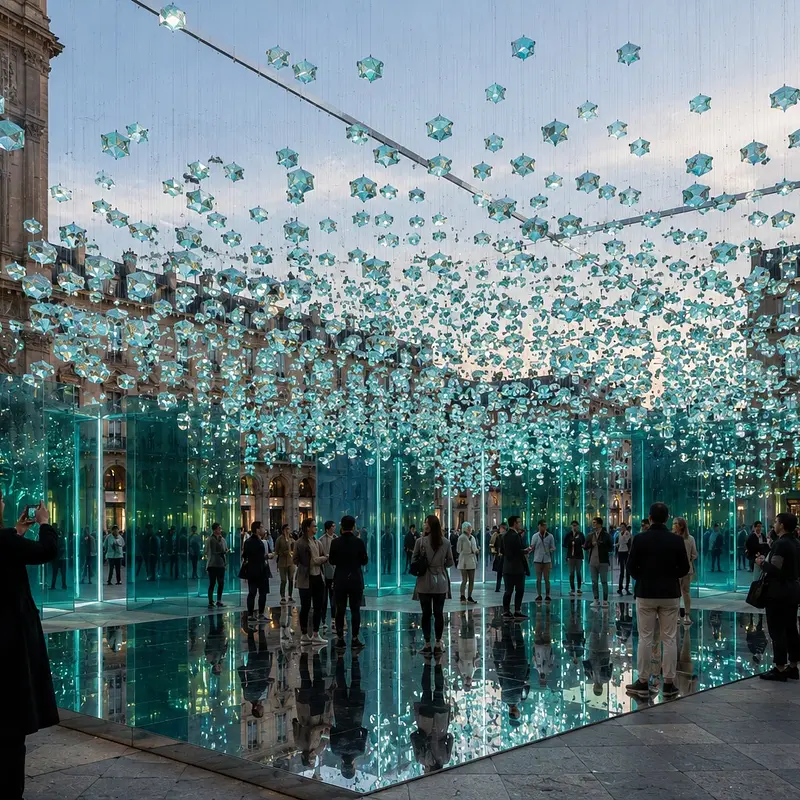
For a brand building a spatial experience, a product launch, or a branded installation, this infrastructure is not incidental. It determines what is possible. It determines the quality ceiling of the work. A culturally ambitious brand activation executed with access to European artisan networks produces different results — materially, experientially, culturally — than one executed without it.
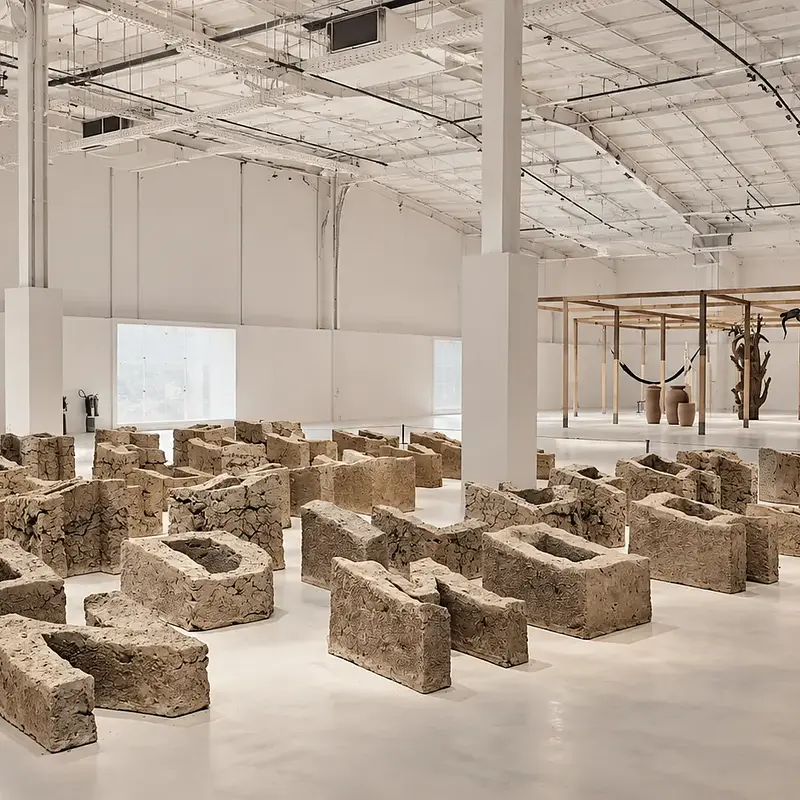
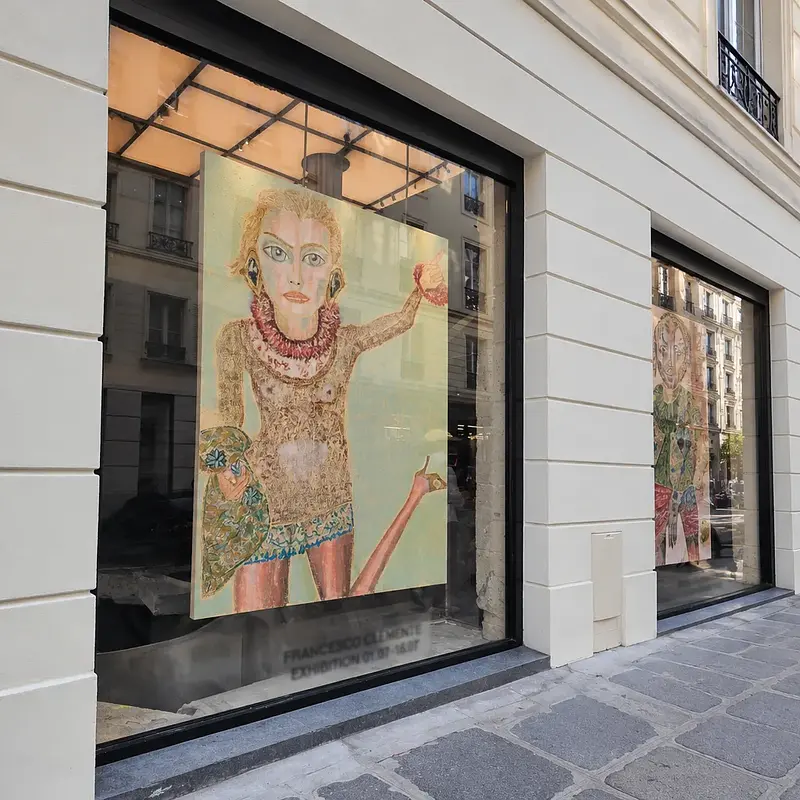
Europe's artisan infrastructure gives culturally ambitious brands a production ceiling that is genuinely difficult to replicate elsewhere. AI-generated.
Germany Specifically: Precision as Cultural Vocabulary
The German approach to brand building deserves its own analysis — not because it is the most aesthetically celebrated in Europe, but because it is the most systematically misunderstood.
German brand values — precision, punctuality, quality obsession, long-term engineering — are frequently treated as functional virtues that limit cultural expression. The argument is that German brands are disciplined but cold, reliable but not resonant. BMW makes excellent cars; it does not make culture. That argument is wrong, and its wrongness is instructive.
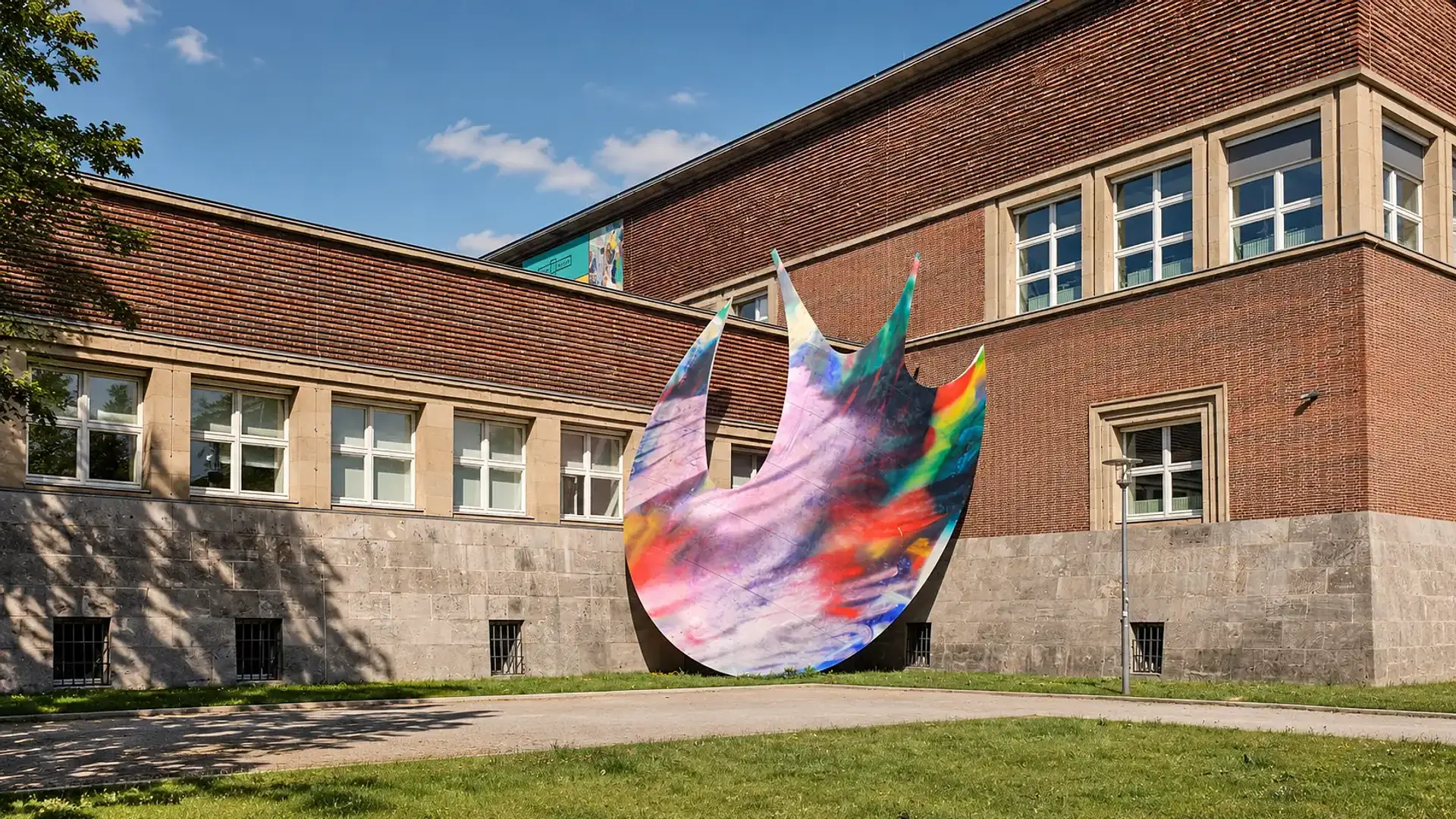
The BMW Art Car programme — launched in 1975 with Alexander Calder, and since continued with Andy Warhol, David Hockney, Jenny Holzer, Jeff Koons, and Cao Fei — is one of the most sustained examples of art-brand integration in the history of commercial culture. It is not a sponsorship programme. It is not a CSR initiative. It is a structural commitment to the idea that precision engineering and cultural expression are not opposed — that the German obsession with quality, applied to the right context, produces work that earns genuine attention.
Adidas, founded in Herzogenaurach in Bavaria in 1949, has built one of the most culturally durable brand positions in the world — not through advertising spend, but through long-term curatorial discipline. The Stan Smith collaboration, which began as a functional tennis shoe and became one of the most recognisable cultural objects of the 20th century, was managed through deliberate scarcity and platform restraint. Y-3, the collaboration with Yohji Yamamoto beginning in 2002, still operates with full creative integrity two decades later. The cultural longevity of Adidas is not accidental — it reflects a German disposition toward quality control applied to cultural brand strategy.
The Art-Commerce Relationship: A Different History
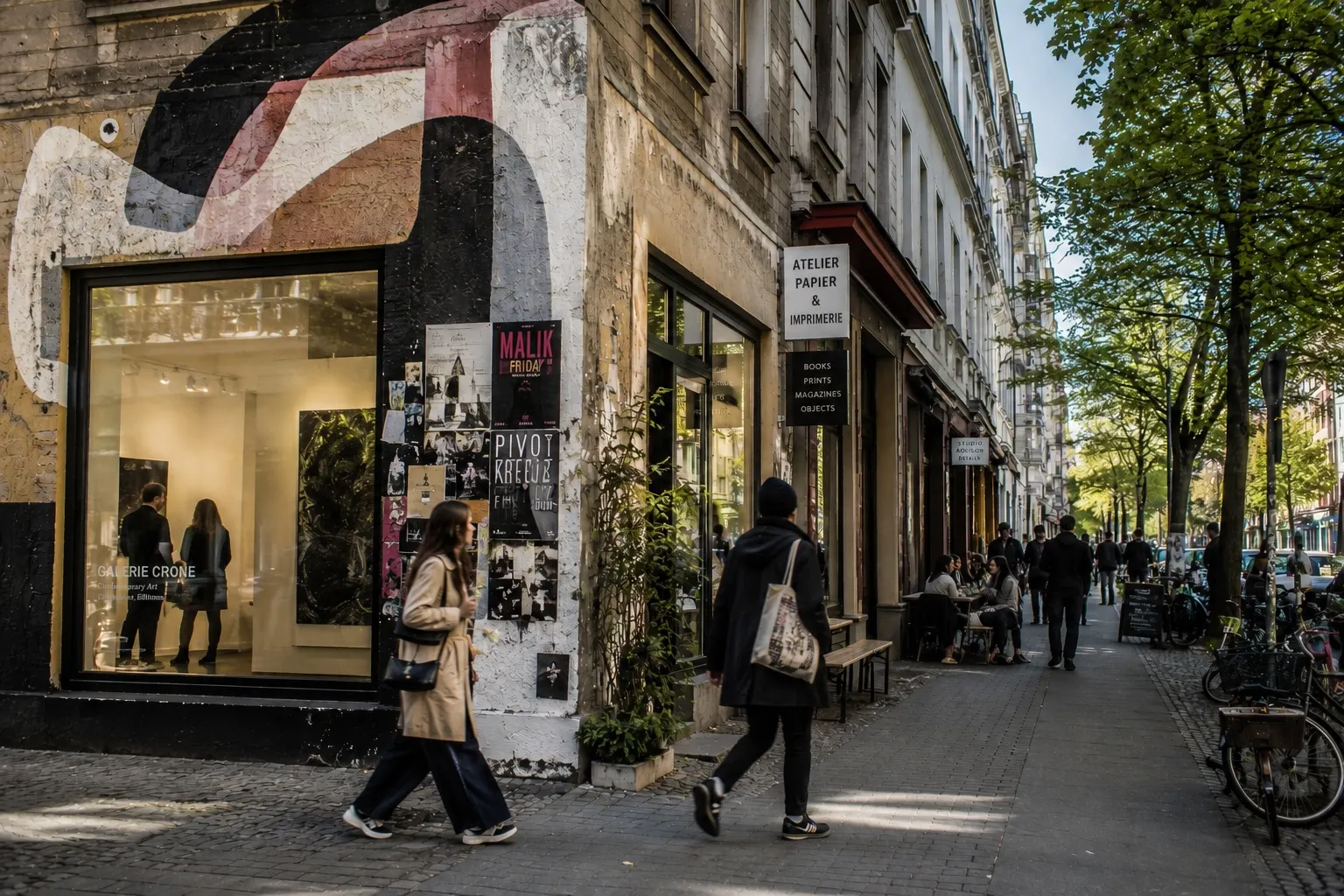
European cities have historically been places where the relationship between artists and commercial patrons was not taboo — it was foundational. The Medicis financed Botticelli. The Bauhaus — founded in Weimar in 1919, relocated to Dessau, then Berlin — explicitly rejected the separation between art and industry, producing designers who went on to shape brand identity, typography, and spatial design across the 20th century. In contemporary Berlin, the density of artists, designers, print studios, and fabricators operating alongside major brands is not an accident of the city's cheap rents — a reality that is fast disappearing — it is the continuation of a specific cultural geography where art and commerce have always coexisted.
This matters for brands because the infrastructure of art-commerce collaboration — the relationships, the mutual respect, the understanding of what genuine creative collaboration requires — is embedded in how European cities function. A culturally ambitious brand in Berlin does not need to manufacture an art world relationship from scratch. The relationship already exists, in the galleries, the studios, the schools, the networks.
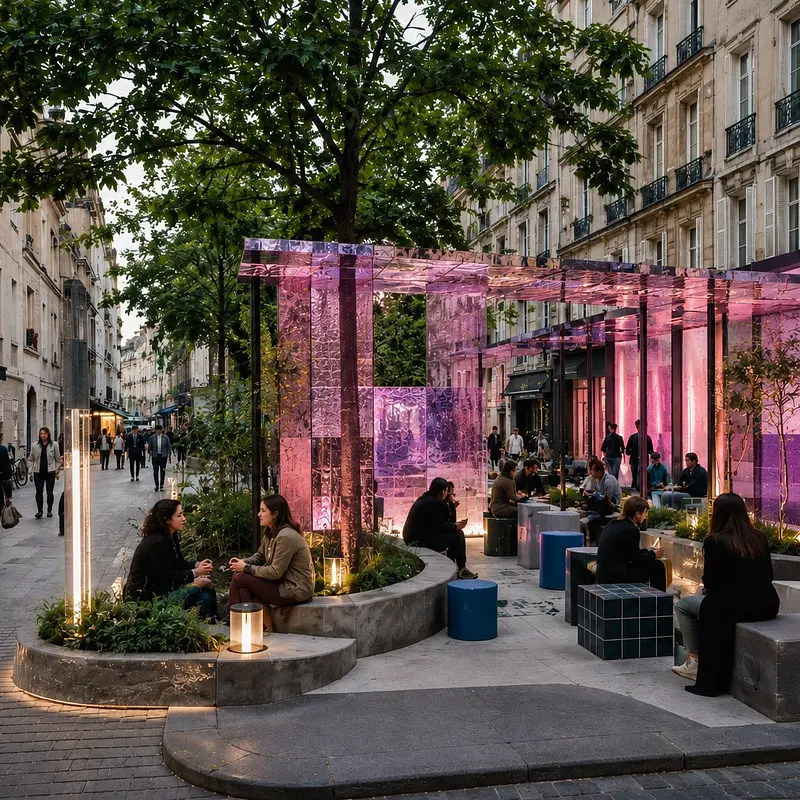
Compare this to the American model, where the relationship between brands and artists has been mediated primarily by the entertainment and sports industries, and where genuine art world credibility is harder won — often because the cultural institutions themselves are more resistant to commercial association. This is not a value judgement; it is a structural difference with practical consequences for european brands trying to build lasting cultural depth.
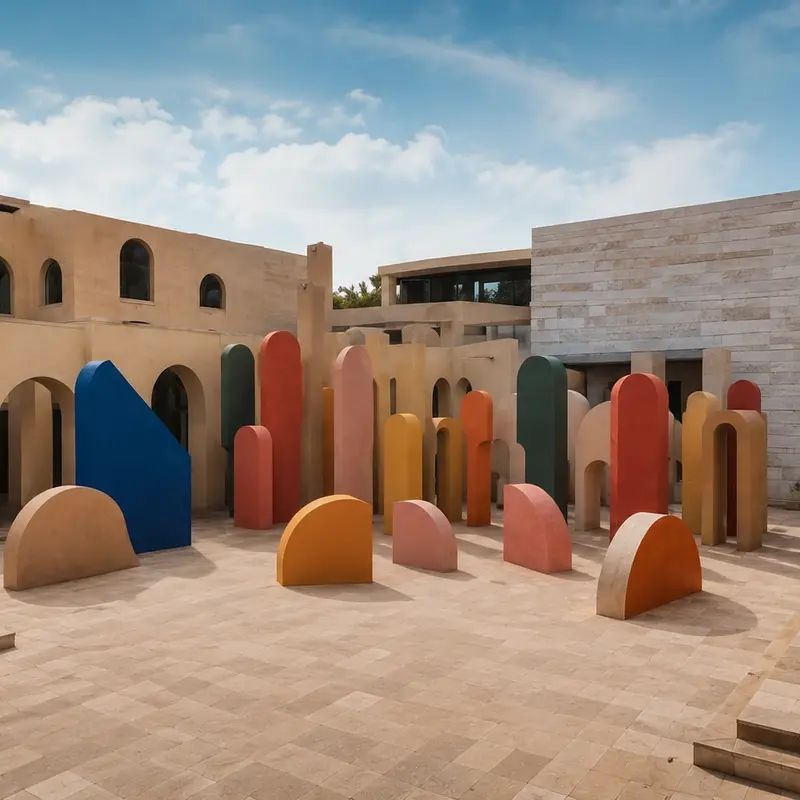
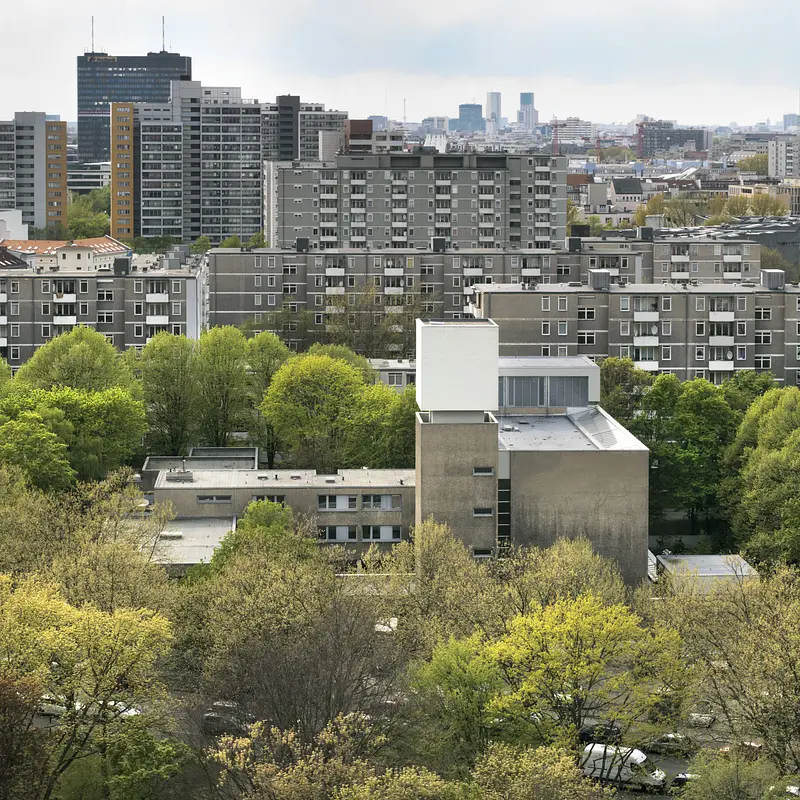
European cities have centuries of infrastructure supporting the coexistence of art and commerce — a structural advantage for brands building genuine cultural depth. AI-generated.
Global Brands, European Principles
The question this raises for marketing directors at globally operating brands is whether European brand building principles are exportable — whether a brand headquartered in Seoul, São Paulo, or San Francisco can access the same cultural depth.
The answer is yes, with conditions.
The advantage is not geographic — it is methodological. What European brand building offers is a set of principles: long-term thinking over short-term cultural moments; artisan production over trend-responsive manufacturing; genuine art world relationships over transactional endorsements; cultural depth over cultural surface. These principles are available to any brand willing to commit to them.
What changes geographically is access. A brand working with European creative partners — agencies, artisan networks, cultural collaborators based in Berlin, Lisbon, Milan, or Paris — gains access to the infrastructure and relationships that make these principles operational, not just aspirational. This is the practical advantage of working with a European studio rather than simply deciding to think European.
Basa Studio's European Vantage Point
What distinguishes Basa Studio is not where it operates — it is how. The studio's approach blends European rigour with international fluency: precise, punctual, and uncompromising in quality, yet highly attuned to the local contexts, working styles, and cultural nuances that determine whether a brand experience lands or misses. This is not a balance that comes from process alone. It comes from over a decade spent working at the intersection of art and commerce across European and global markets — building the sensitivity to know when to hold a standard firm and when to adapt it.
For brands, this translates into something practically valuable: a partner that brings the discipline of European craft culture to every project — the attention to material, the insistence on execution quality, the long-term thinking that distinguishes cultural depth from cultural decoration — without losing the agility to deliver across markets and geographies. Consistency and control on one side; seamless adaptation on the other.
That combination is what makes European brand building exportable. And it is what makes a European studio — one embedded in the networks, relationships, and standards that produce genuine cultural authority — a different kind of partner from one that merely aspires to those standards from a distance.
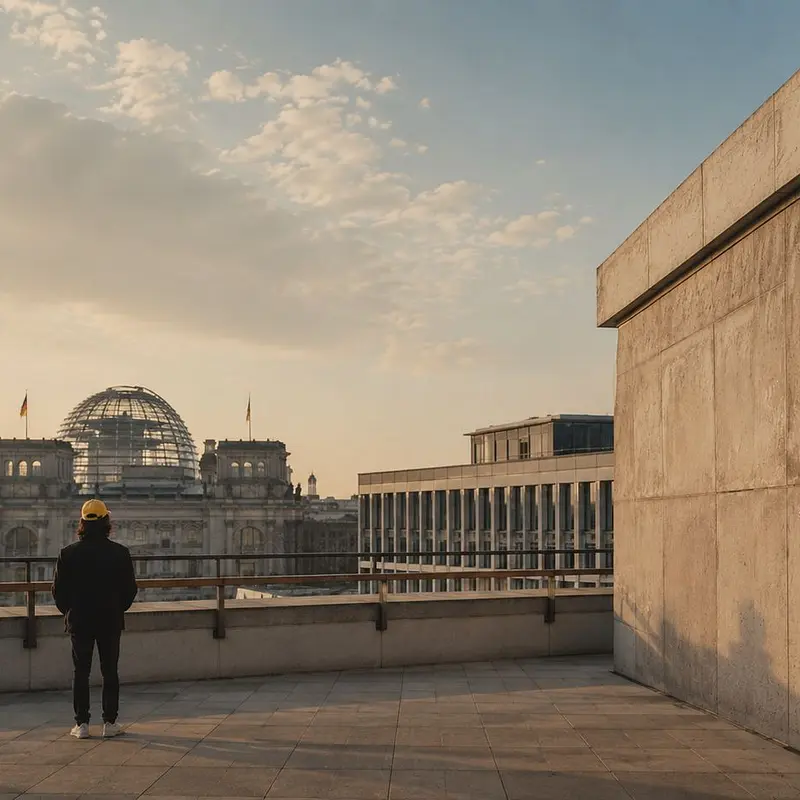
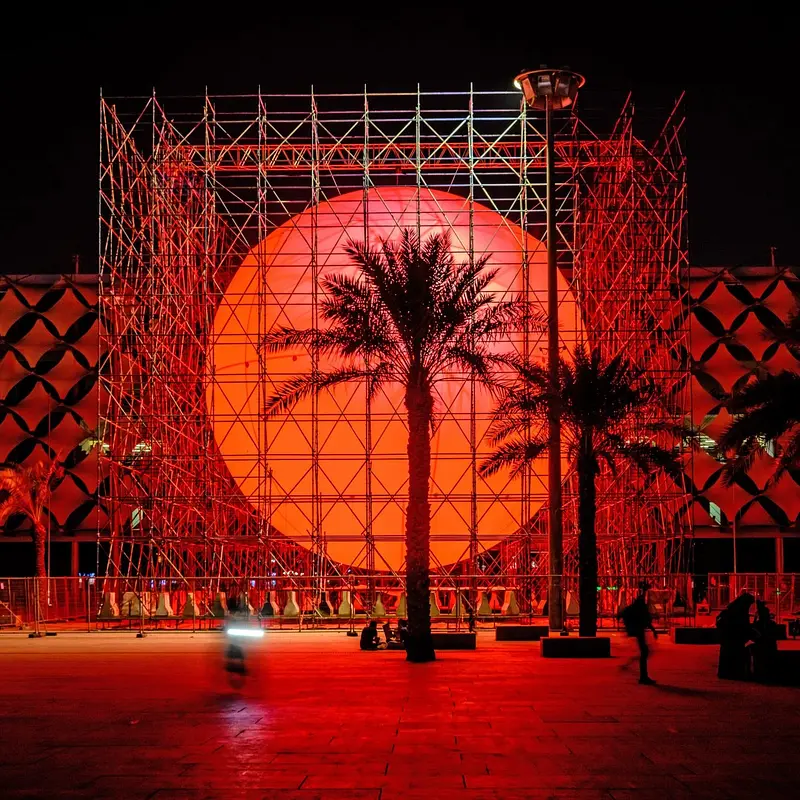
The European structural advantage in cultural brand building — four conditions that produce different outcomes for brands willing to invest in them.
The Distinction That Earns Its Keep
European brand building earns its reputation not through atmosphere but through specificity — specific brands, specific craft traditions, specific art world relationships, specific cities with specific histories. The argument is not that European brands are superior. It is that the European operating environment has produced a set of structural advantages for brands serious about cultural depth, and that those advantages are accessible to brands willing to think and work accordingly.
For CMOs building brands that need to earn cultural attention rather than purchase it, that distinction is worth understanding precisely — and worth finding a partner who holds it from the inside. Basa Studio is a Berlin-based creative studio building brand experiences rooted in cultural depth. Operating across Europe and beyond, the studio works as a turnkey, end-to-end partner for brands seeking cultural longevity over short-term cultural moments.
Related creative stories
Browse through other features, interviews and guides to discover creative brand collaborations, meet innovative artists and creators, find out how new artforms are energizing advertising, & more.
We're excited to hear from you! If you're looking for artistic solutions for your next creative marketing campaign, send us your briefing. We can also help create a killer concept if you're in an early ideation phase. Check out our services for more.
Send your briefing
About you
THANK YOU
Your inquiry has been sent
We have received your inquiry. We'll get back to you within 24-48 hours to discuss your project. If you need urgent assistance, reach us on WhatsApp: +49 176 432 64506. In the meantime, we invite you to explore our insights, case studies, and lessons from building culturally grounded brand experiences.
Please contact us by phone if you're not able to reach us via this form.
THANK YOU
We have received your inquiry. We'll get back to you within 24-48 hours to discuss your project. If you need urgent assistance, reach us on WhatsApp: +49 176 432 64506. In the meantime, we invite you to explore our insights, case studies, and lessons from building culturally grounded brand experiences.
We use cookies to help empower our artists and make them accessible to clients. Check out our Privacy Policy and Terms of Service to see how your data can make a difference.