When a product launch activation turns an entire city into a screen, the campaign stops being advertising and starts being culture.
What a Product Launch Looks Like When the City Is the Medium
Most product launches follow a familiar rhythm: a press release, a paid media campaign, an event for the inner circle. The product enters the market. The news cycle moves on.
Swatch took a different approach.
For the launch of the BREAK FREE collection in Berlin, the brief was unambiguous: the entire city should see it. Not a targeted segment. Not a curated guest list. The city.
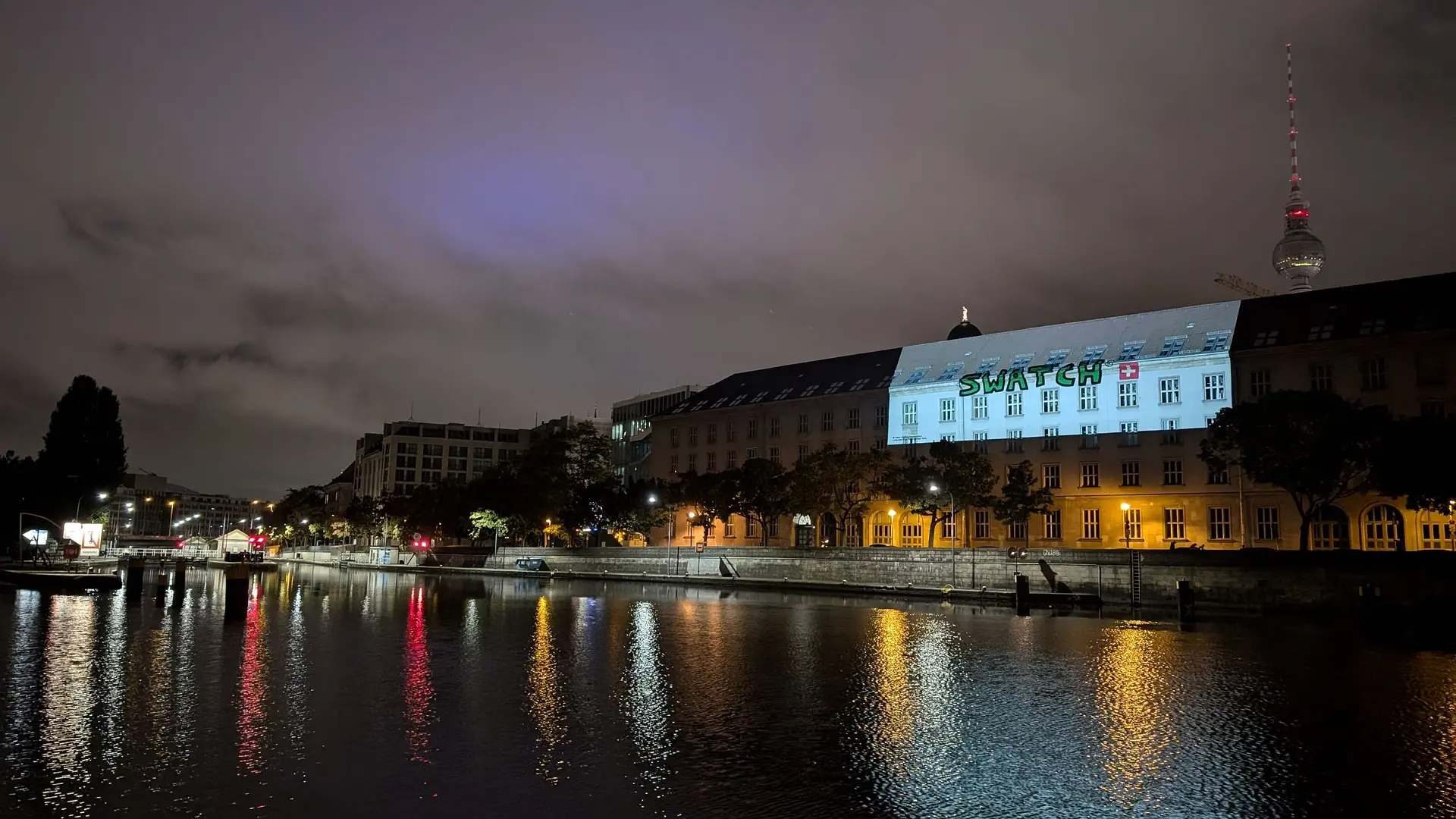
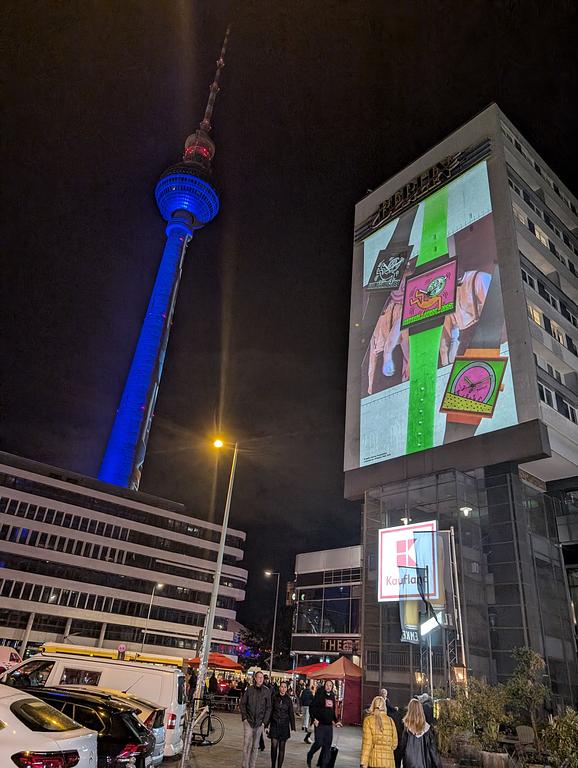
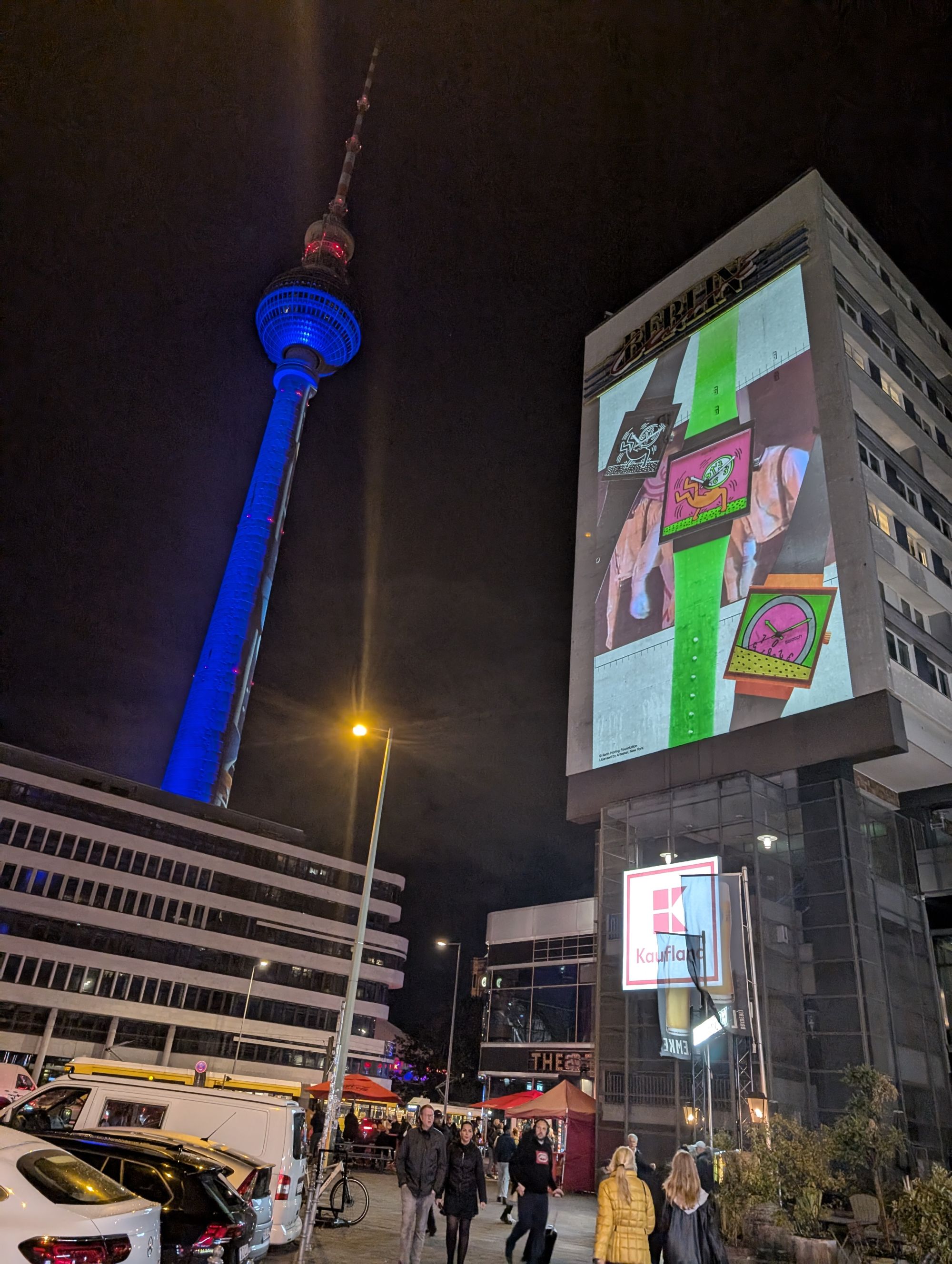
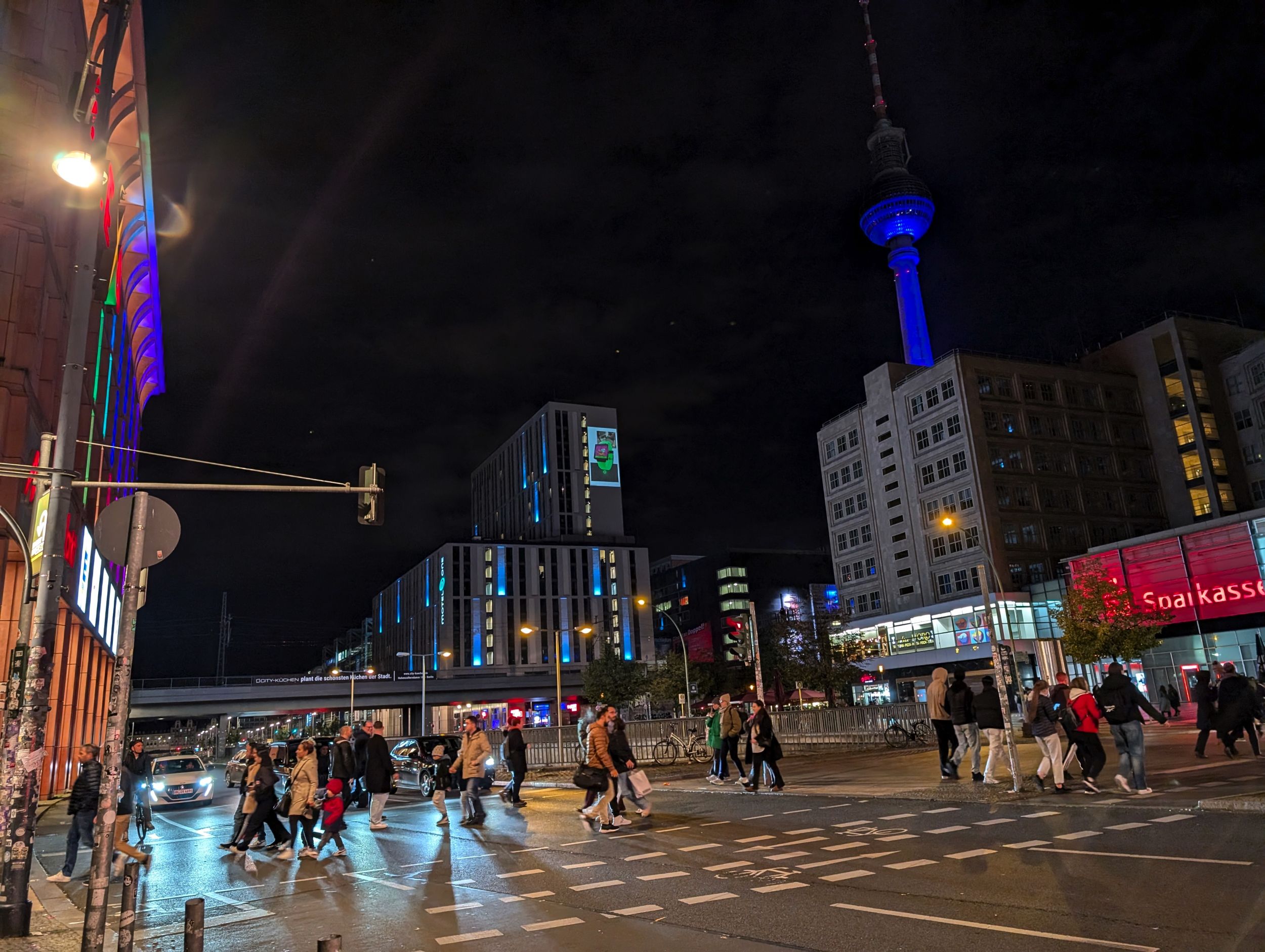
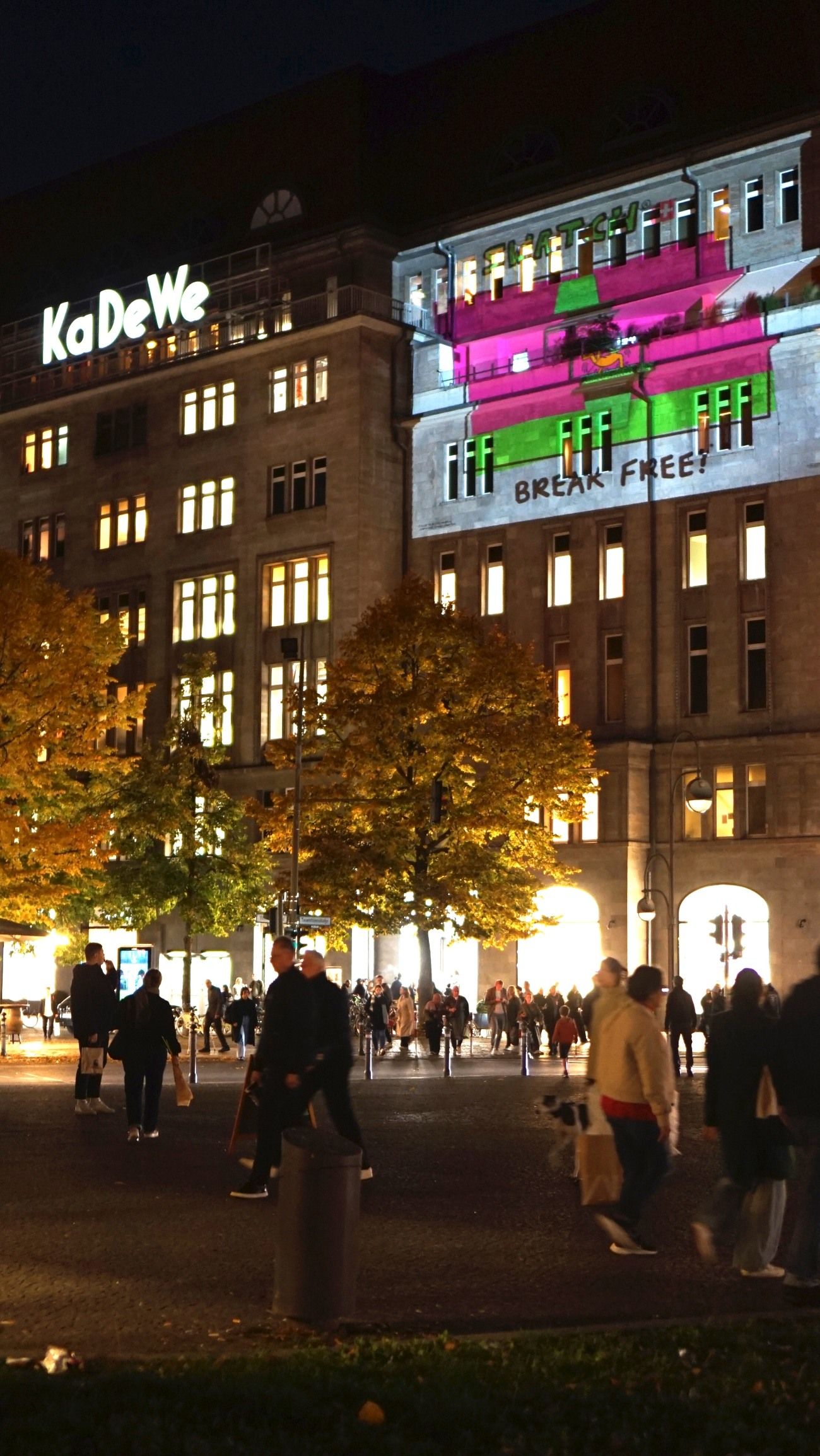
To deliver that, Basa Studio developed a guerrilla product launch campaign built around mobile projection mapping — a format that treats every blank building facade as an opportunity and the urban landscape itself as the campaign channel. Over nine consecutive evenings, Berlin's landmarks became screens. The Fernsehturm. The Brandenburg Gate. Some of the city's most recognisable facades. Each night, the projection moved. Each night, a new location lit up with Swatch's campaign visuals. Each night, people stopped.
It was a takeover in the truest sense: not a presence, but a dominance — nine nights, multiple landmarks, a city that couldn't look away.
Why Guerrilla, and Why Projection
A guerrilla product launch campaign operates on different logic than conventional media. There is no inventory to buy, no impression to serve, no algorithm to optimise. The format earns attention by being somewhere unexpected, doing something visually arresting, at a time and place where the audience hasn't consented to be advertised to.
That friction — the surprise of encountering something spectacular in the middle of an ordinary evening — is precisely what makes it work.
Projection mapping takes this logic further. Unlike a static installation or a mural, a projection is dynamic, large-scale, and ephemeral. It occupies space without leaving a trace. It can be set up and moved in minutes. And at scale — with the right equipment and the right artists — it produces images that no other format can replicate.
For Swatch, the decision to anchor the BREAK FREE launch around projection was not simply a tactical one. It was a statement about the brand's relationship with Berlin: bold, nocturnal, culturally embedded, and impossible to ignore. As Basa Studio's creative OOH advertising article notes, the guerrilla mapping approach allowed the campaign to behave like street culture itself — ephemeral, unexpected, embedded in Berlin's nighttime rhythm, and in direct dialogue with the BREAK FREE collection's breakdance heritage.
The Setup: An Electric Cargo Bike and a 20,000-Lumen Beamer
The technical infrastructure behind the Swatch activation explains why the campaign could achieve what conventional projection campaigns cannot.
The equipment was mounted on an electric cargo bike: a professional-grade projector running at 20,000 lumens, powered and fully mobile. No cranes. No permits tied to fixed locations. No advance notice to the public.
Charlotte Specht, co-founder of Basa Studio and artist-brand collaborations expert, describes the setup:
"An extra high-quality beamer is placed on an electric cargo bike. This way, our team on the ground is extra mobile and fast, and can set up and leave a location within minutes. The beamer can project onto any building with an even surface — the entire city becomes a screen."
The team could arrive at a location, set up, project, and leave within minutes — then repeat the same process at a different landmark the same night. Over nine evenings, that mobility transformed the campaign from a single spectacle into an ongoing city-wide event. Berliners never knew where the next projection would appear. That unpredictability is itself a form of cultural value: it gives people a reason to share what they've seen, because tomorrow night it will be somewhere else.
The artists behind the projections were LiCHTPiRATEN, a Berlin-based artist collective with roots in the city's underground club and festival scene, whose practice spans site-specific projection art, generative content, and audiovisual performance. Their involvement was not cosmetic. The visuals were conceived for Berlin's specific surfaces — taking into account the character of each building, the ambient light conditions at night, and the sightlines available to passers-by. This is what distinguishes a projection mapping product launch from a simple projection of branded assets: the city's architecture becomes compositional material, not just a screen.
Location Scouting as Creative Strategy
Before a single image was projected, Basa Studio conducted a full location scouting process across Berlin. This is a step brands often underestimate — and one that determines whether a projection mapping product launch lands as a cultural moment or disappears into the visual noise of the city.
The scouting process combined physical reconnaissance with satellite and street-level mapping tools, identifying surfaces that met three criteria simultaneously: high pedestrian traffic, even projection surface, and clear sightlines. The shortlist was compiled into a presentation delivered to Swatch for approval — with specific locations, expected visibility, and visual references for each site.
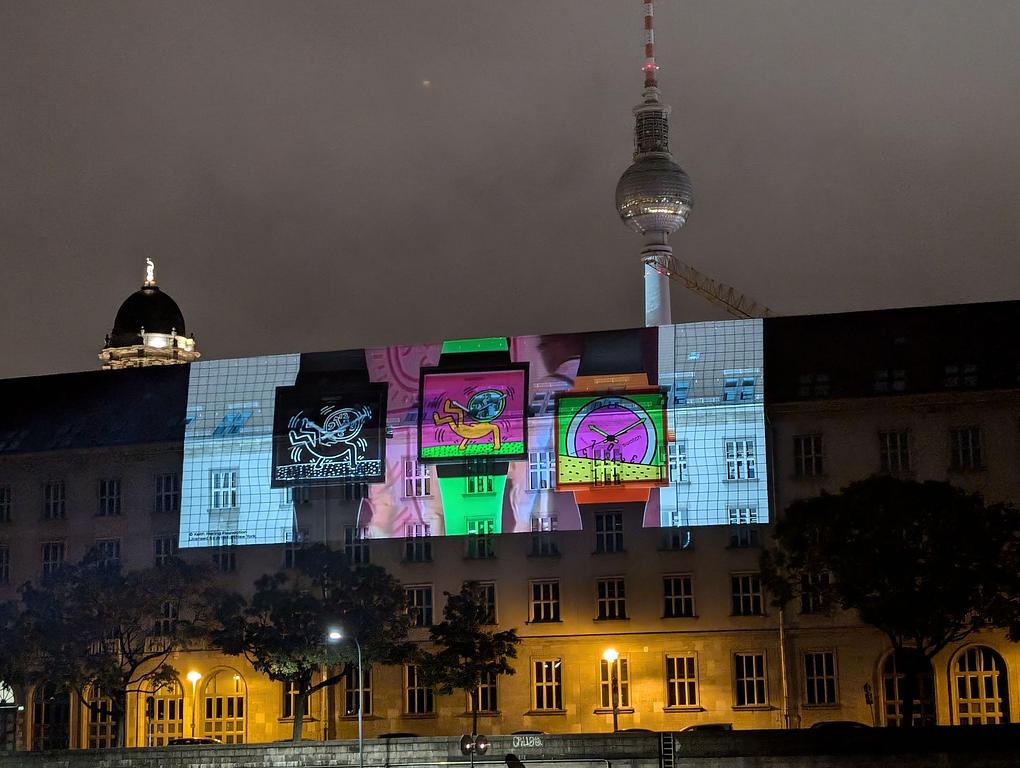
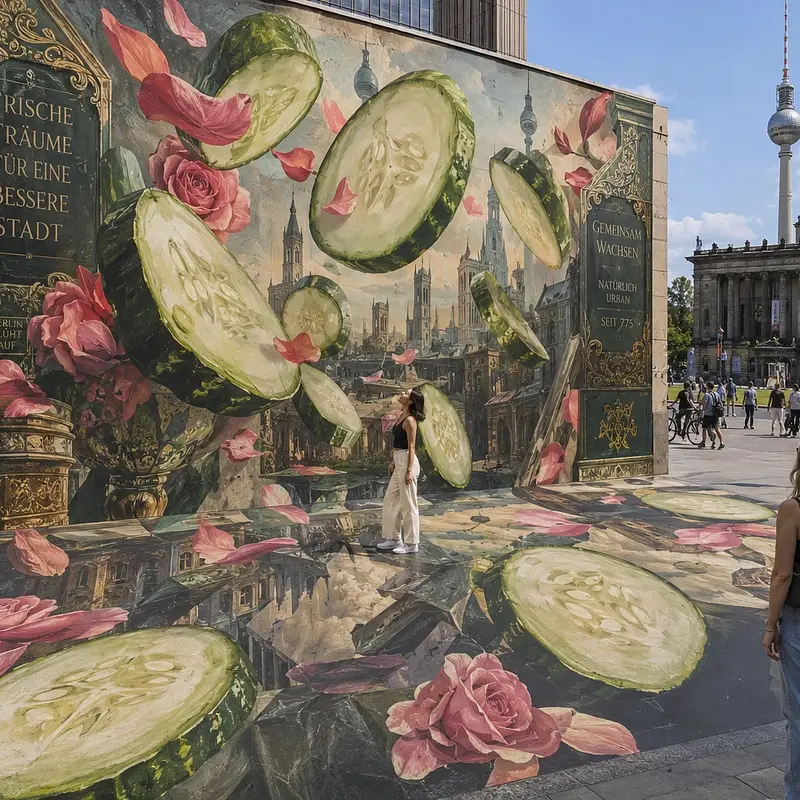
The inclusion of Berlin icons such as the Fernsehturm in the final selection was deliberate and strategic. These are not just recognisable buildings. They are visual shorthand for Berlin itself. When Swatch's visuals appeared on those surfaces, the campaign did not merely occupy Berlin — it associated the product with the city's identity in a way that stock photography or CGI could never replicate.
The city as canvas.
Specht notes the practical dimension of this process: "We provided Swatch with a presentation including a large number of spots that fit their briefing. Scouting is a mix of actually checking out the city physically and using Google Maps to find suitable surfaces."
The scouting stage also served a second function: it gave Swatch the confidence to approve the campaign quickly. Because the locations were presented visually and with clear context, the decision-making cycle was compressed. Basa Studio's direct relationship with the client — no agency intermediary — accelerated this further.
"We directly worked with Swatch like always," Specht adds. "We know exactly what they need in which format to approve projects fast."
Alexanderplatz, activated.
Timed to the Store: The Conversion Logic
What distinguishes this activation from a purely awareness-led campaign is the timing decision that sat behind it.
The projections were not scheduled to tease or announce — they ran concurrently with the product's in-store availability. Berliners who encountered the projection on a Berlin landmark could walk into a Swatch store the same evening and buy the watch they had just seen lit up across the skyline.
The results were measurable in a way that brand awareness campaigns rarely are. As Specht describes: "We even had viewers of the projections come into the Swatch store to check out the watch we were promoting. This was also possible because the projections were timed very strategically together with the product launch — it was not just an announcement that the product will be out, but a promotion of a product that could readily be purchased in the store."
This is not a common outcome for out-of-home advertising. The typical OOH campaign operates at the top of the funnel: it builds awareness, creates aspiration, and hopes the consumer converts later via another channel. Here, the spatial and temporal alignment between the projection and the retail location created a direct pipeline from street-level spectacle to purchase consideration.
For CMOs evaluating the ROI of cultural activations, this is a significant data point. A guerrilla product launch campaign that operates concurrently with retail availability is not simply a brand-building exercise. It becomes a conversion tool with a measurable footprint.
The Content Extension: Social as a Multiplier
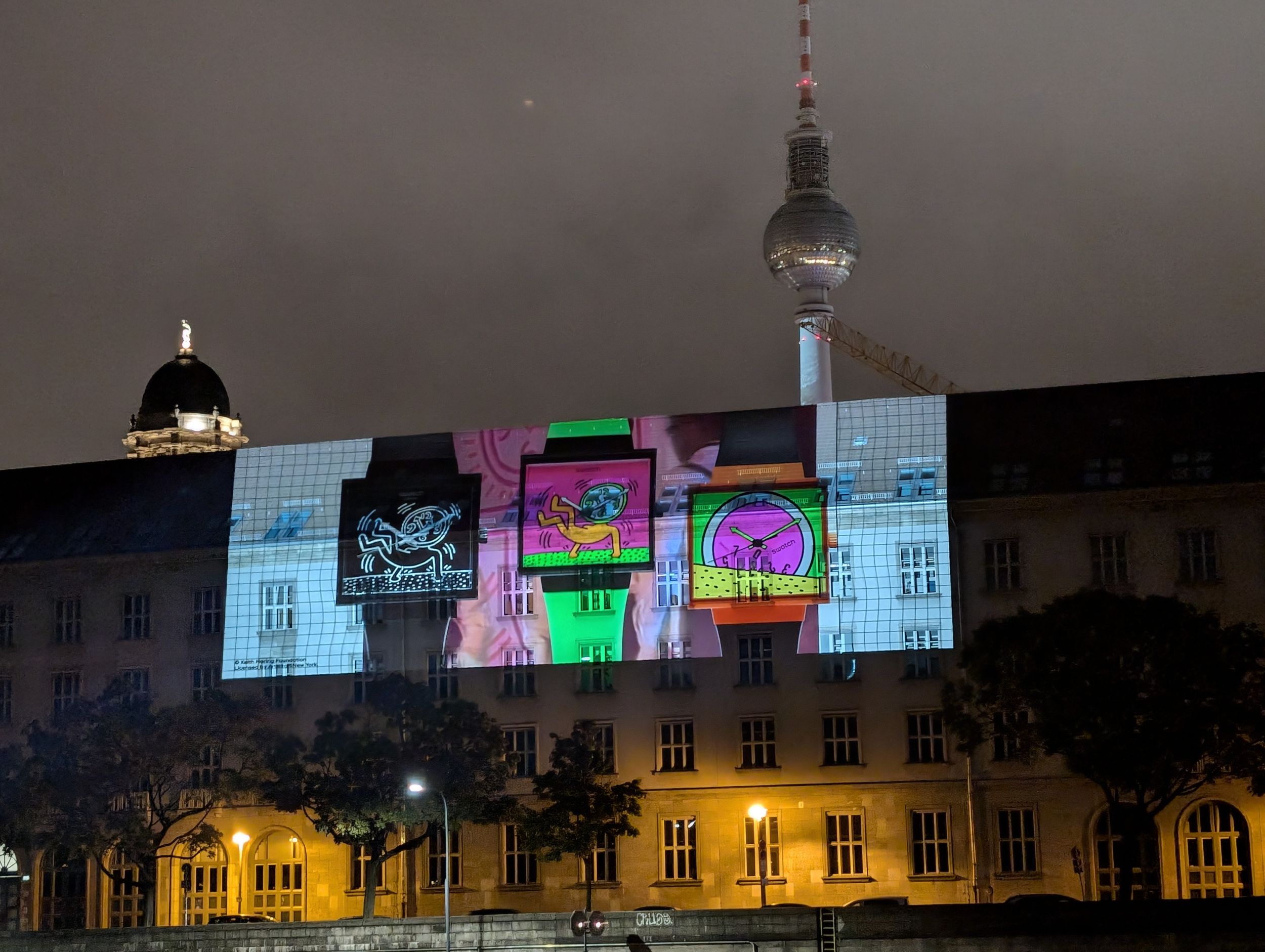
The physical campaign was designed from the outset to generate content. Specht is direct about this dual function: "The client wanted a campaign so visible and special that the entire city of Berlin would see it. On top of that, photos and a video were created to extend the campaign in social media channels. This impacted the briefing since we wanted to include Berlin icons like the TV tower visibly in the shot."
Seen across the city.
This is a structural feature of well-designed guerrilla campaigns, not an afterthought. The visual drama of a 20,000-lumen projection against a Berlin landmark produces imagery that performs on social media in a way that a billboard photograph never will. The content signals something happening — an event, a moment, a piece of the city transformed.
The deliberate integration of the Fernsehturm into the shot composition meant the social content was identifiably, unmistakably Berlin. It couldn't have been taken anywhere else. That specificity is what gives campaign content its reach: people share images that feel like they belong to a place and a moment, not images that could have been produced anywhere.
What Made This Possible: One Month, Local Artists, No Intermediaries
The production timeline for this campaign was one month from briefing to first projection. For a nine-night, multi-location guerrilla activation in a major European capital, that is a tight schedule — and a notable one.
Three factors made it achievable.
First, Swatch had their assets prepared. The BREAK FREE campaign creative was ready; what Basa Studio needed to deliver was execution architecture, not concept development from scratch.
Second, LiCHTPiRATEN are a Berlin-based collective. There were no hotels to book, no international freight logistics to manage, no equipment to source from outside the city. As Specht notes: "Since we worked with local artists, we didn't need any time to plan hotels and travel routes or equipment rental in other cities." The artists knew the terrain. They had relationships with the locations. They understood Berlin's streets at night in a way that a team flown in from elsewhere simply would not.
Third, the direct client relationship. Working with Swatch without an agency layer meant communication moved at the speed of decisions rather than the speed of approvals. A direct channel between brand and cultural partner is not a minor operational convenience — it is a structural advantage that affects cost, timeline, and creative quality simultaneously.
What This Approach Costs
Budget transparency is rare in the cultural activation space, and that opacity often prevents brands from planning properly. For a campaign of this scope — nine nights, 20,000-lumen professional mobile projection equipment, a curated artist team, full location scouting, nighttime operations, and content production for social — Specht places investment in the higher five-digit range, excluding travel costs.
That number needs context. It is the cost of nine nights across Berlin's most visible landmarks, a content library of campaign imagery and video, in-store conversion impact, and social reach that extends the campaign well beyond its physical footprint.
For brands evaluating a projection mapping product launch against conventional paid media alternatives — digital display, static OOH poster networks, paid social — the comparison is not simply cost per impression. It is cost per cultural moment: the kind of brand memory that paid media cannot manufacture at any price.
Nine nights across Berlin's most iconic landmarks — the Swatch BREAK FREE product launch activation, produced by Basa Studio in collaboration with LiCHTPiRATEN.
A Product Launch That the City Remembered
The brief was to make a campaign so visible and so special that the entire city of Berlin would see it. Nine nights. Multiple landmarks. In-store visitors who arrived directly from the street. A content library that extended the campaign's reach well beyond its physical footprint. A one-month production window from brief to first projection.
The Swatch BREAK FREE activation demonstrates what a product launch activation can be when the city is treated not as a distribution channel but as a cultural partner — when the format is chosen for its ability to create genuine moments rather than measurable impressions, and when the artists executing it are embedded in the place where the campaign runs.
For brands preparing a significant product launch and weighing their options, this is the conversation worth having.
Get in touch with Basa Studio to explore what a culturally-led product launch activation could look like for your next campaign.
Related creative stories
Browse through other features, interviews and guides to discover creative brand collaborations, meet innovative artists and creators, find out how new artforms are energizing advertising, & more.
We're excited to hear from you! If you're looking for artistic solutions for your next creative marketing campaign, send us your briefing. We can also help create a killer concept if you're in an early ideation phase. Check out our services for more.
Send your briefing
About you
THANK YOU
Your inquiry has been sent
We have received your inquiry. We'll get back to you within 24-48 hours to discuss your project. If you need urgent assistance, reach us on WhatsApp: +49 176 432 64506. In the meantime, we invite you to explore our insights, case studies, and lessons from building culturally grounded brand experiences.
Please contact us by phone if you're not able to reach us via this form.
THANK YOU
We have received your inquiry. We'll get back to you within 24-48 hours to discuss your project. If you need urgent assistance, reach us on WhatsApp: +49 176 432 64506. In the meantime, we invite you to explore our insights, case studies, and lessons from building culturally grounded brand experiences.
We use cookies to help empower our artists and make them accessible to clients. Check out our Privacy Policy and Terms of Service to see how your data can make a difference.