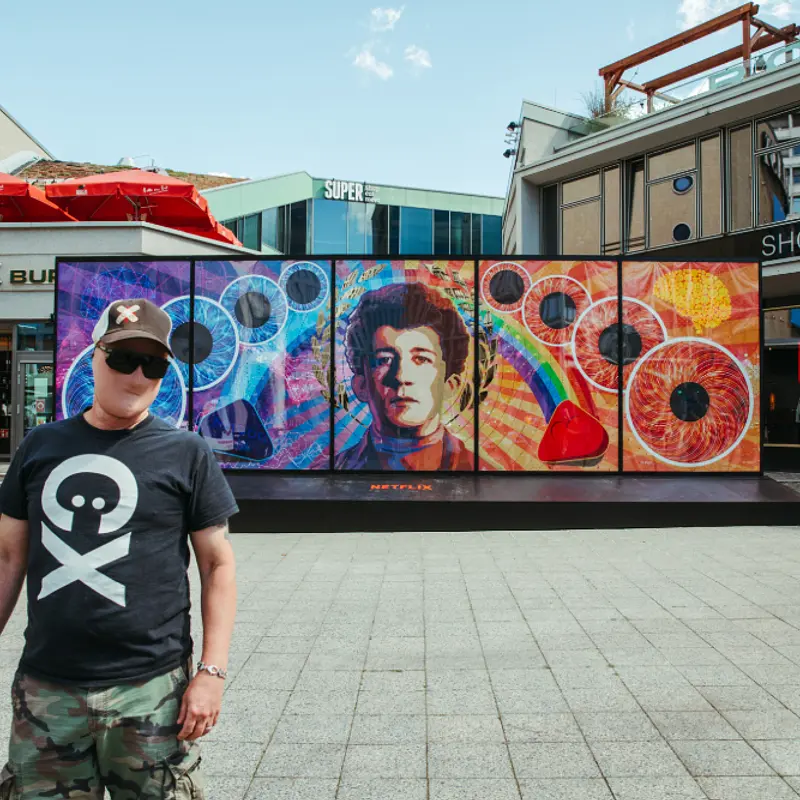
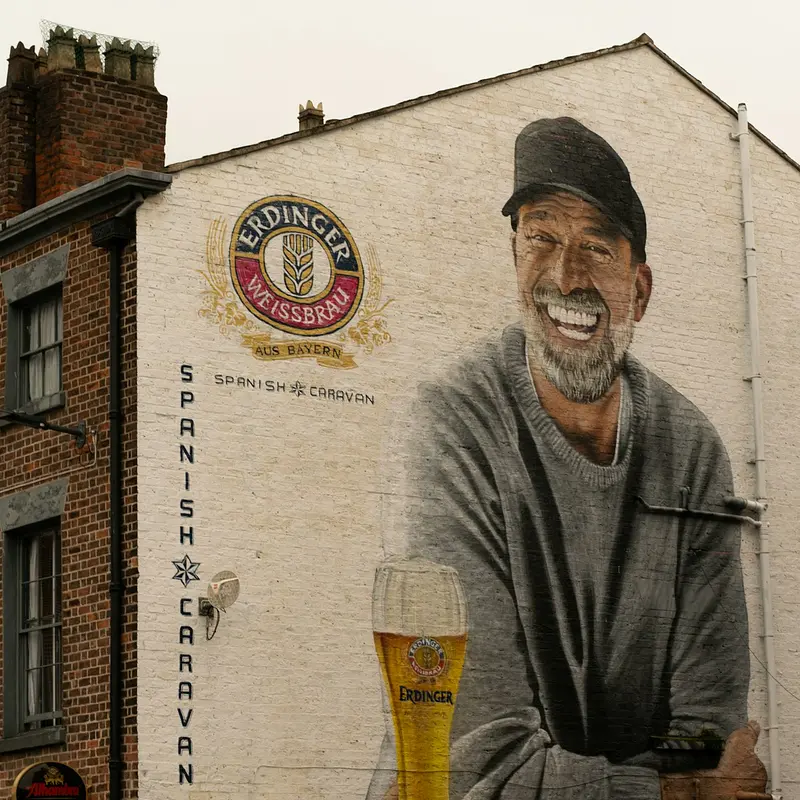
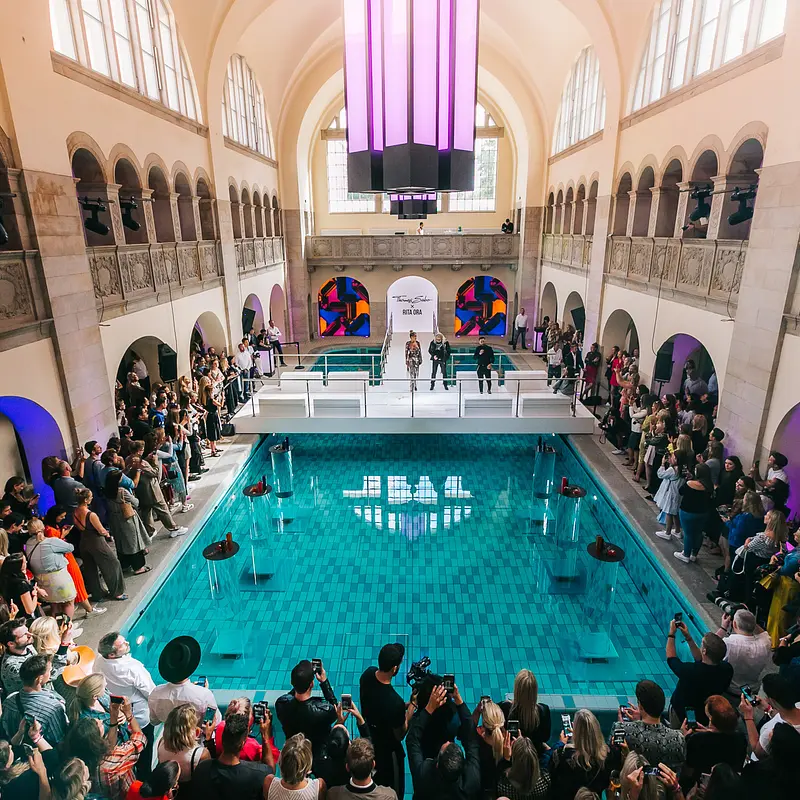
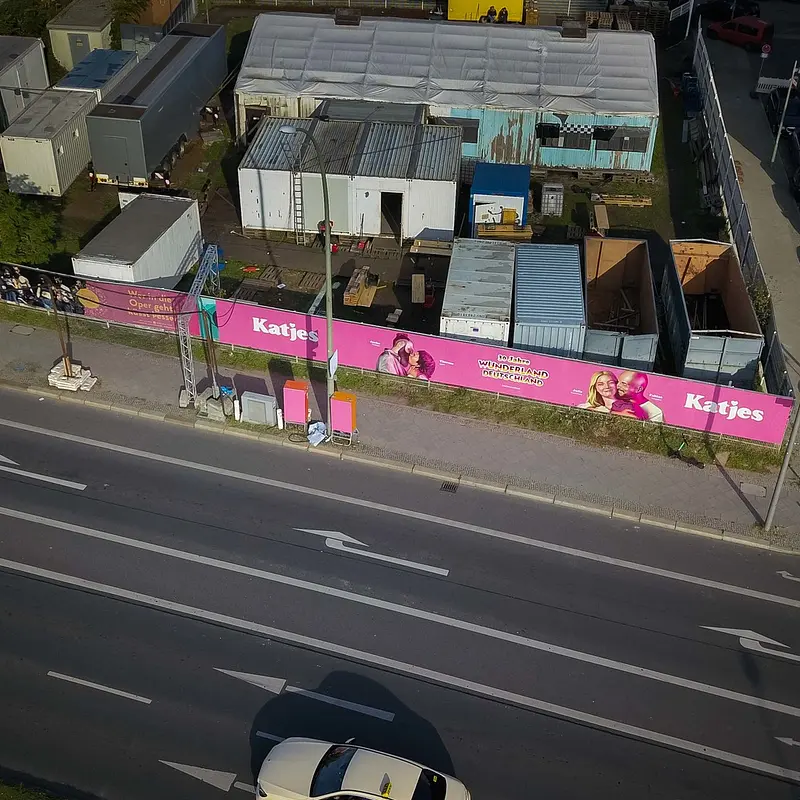
Most brand activations are well-produced, well-attended, and forgotten within a week. Here's what a real brand activation strategy looks like.
The Activation Trap
There is a familiar pattern in how brands approach activations. A brief goes out. An agency comes back with a format — pop-up, experiential booth, live event, product demo space. The format is refined, the production is polished, the footfall numbers are respectable. A day of social posts follows. Then silence.
This is not a budget problem. It is a brief problem.
The majority of activations are designed around logistics: where is it, when is it, what does it look like, how many people can we get through the door? These are not wrong questions. But they are the wrong starting point. Brand activations are one of the highest-potential touchpoints a brand can invest in — and one of the most consistently squandered, because the brief optimises for presence rather than cultural intent.
The structural failure is that most activation briefs are written before anyone has asked the question that actually determines the outcome: what moment are we creating, and why will people care about it?
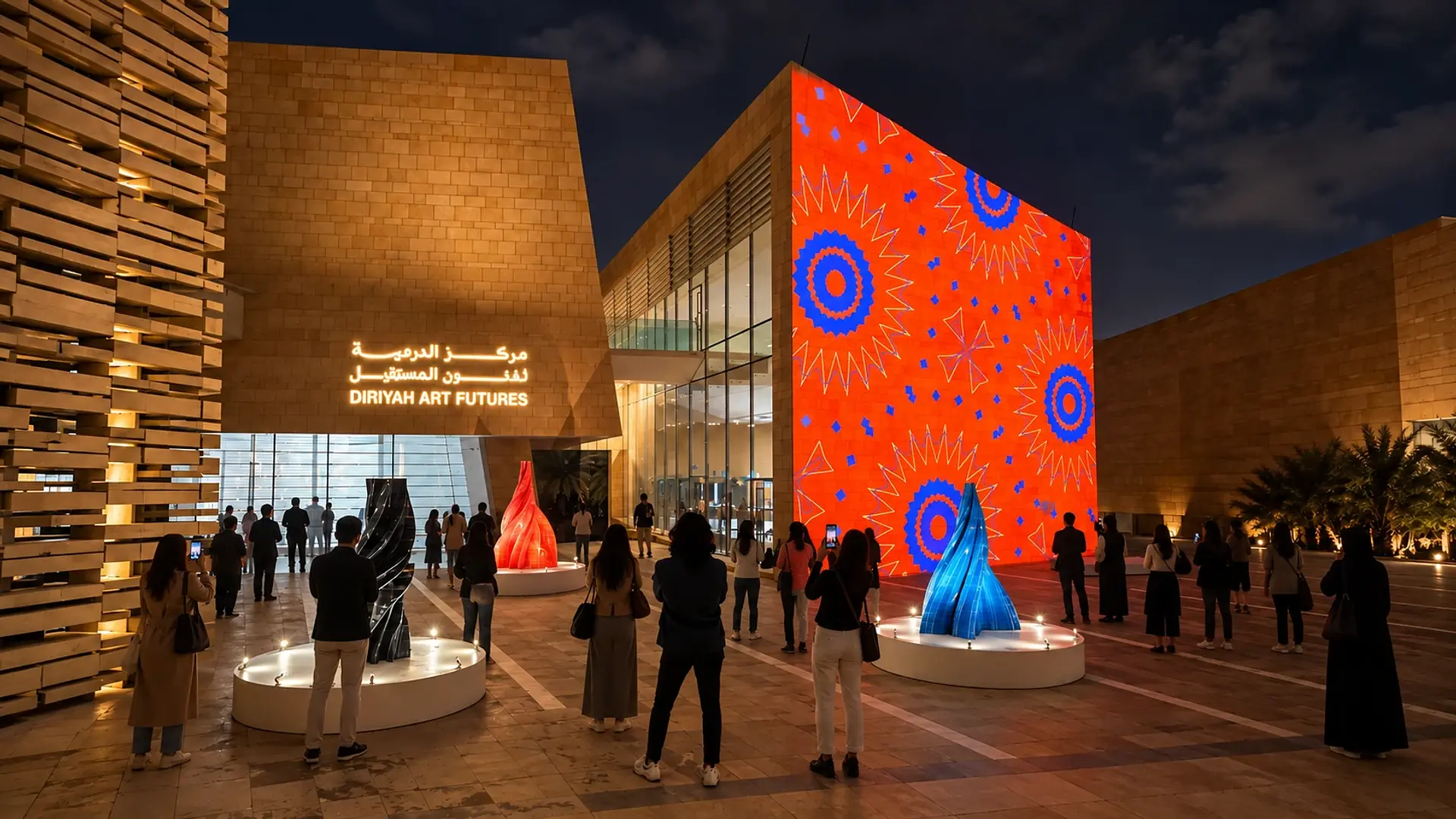
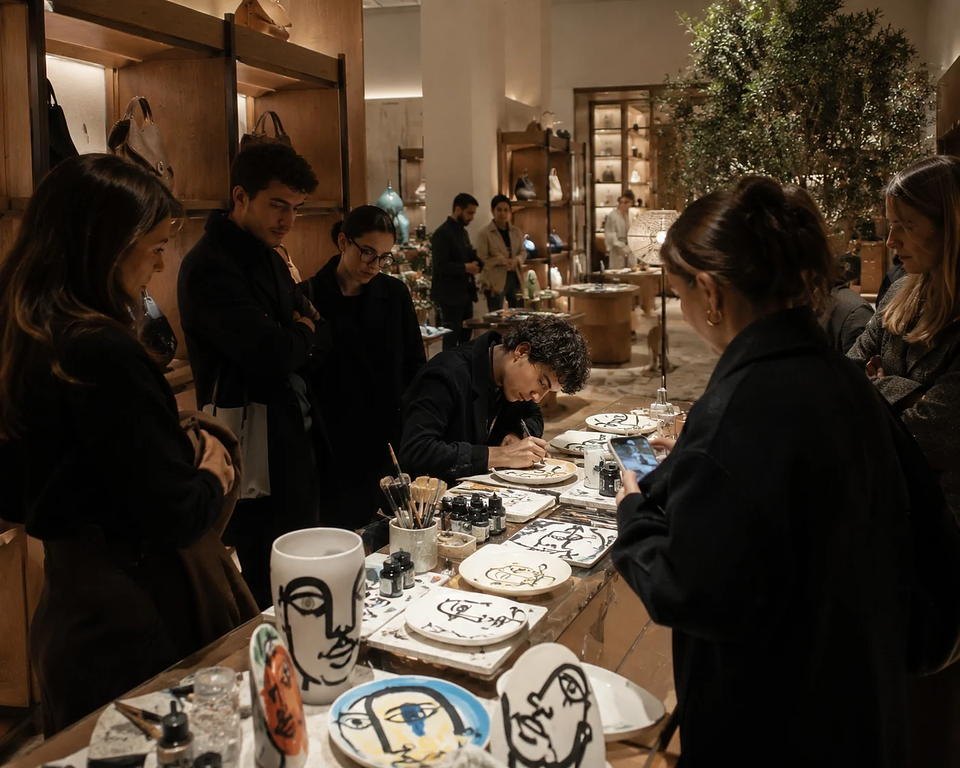
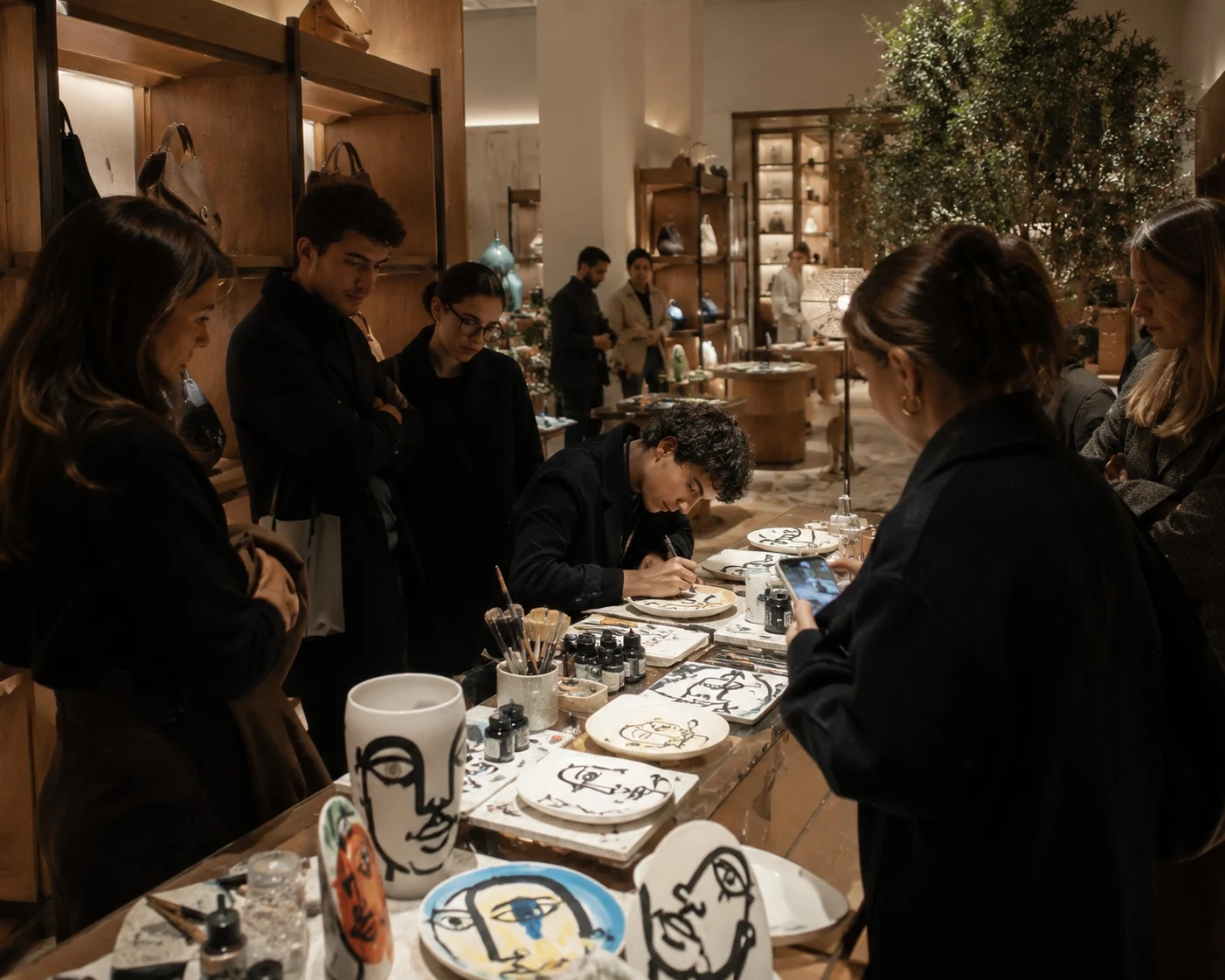
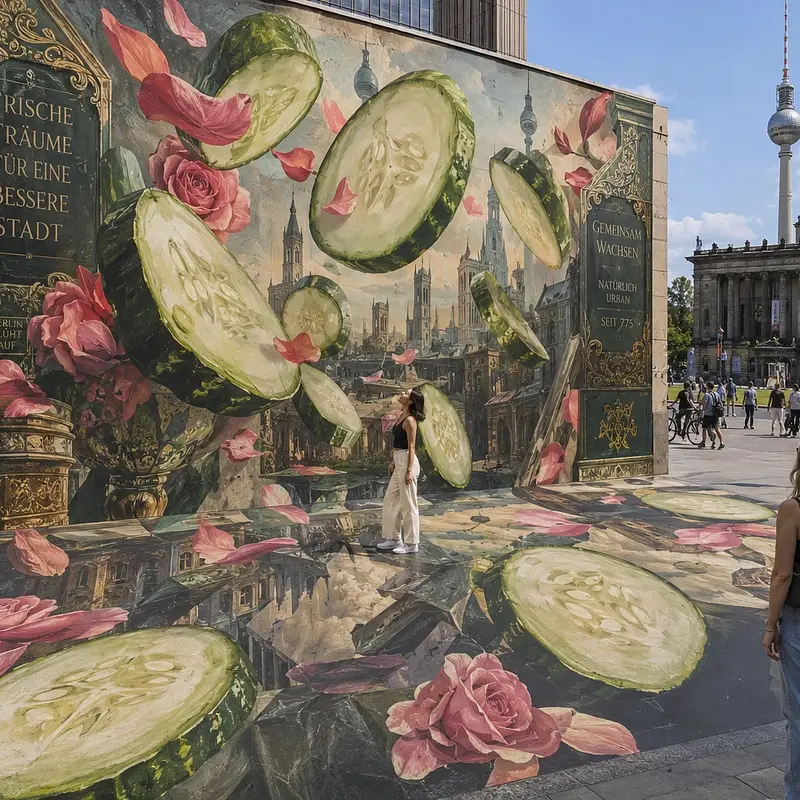
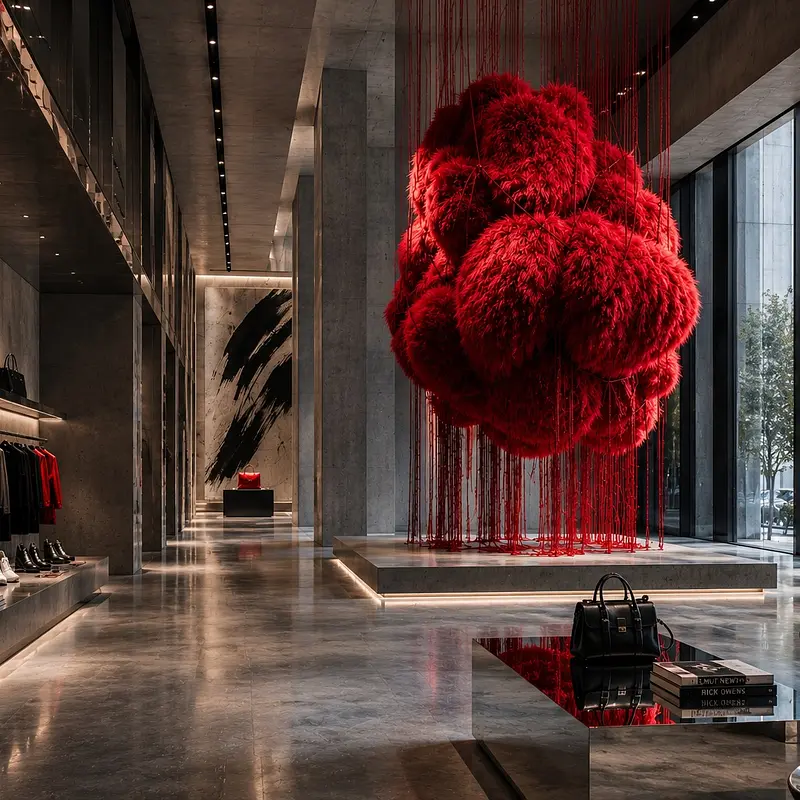
The activations that earn the most attention are rarely the most advertised. They are the ones that give people something worth photographing. AI-generated.
What Separates a Cultural Memory from a Forgettable Event
The activations people remember share a specific quality: they gave the audience something that felt like discovery rather than delivery. The brand was present, but the experience didn't feel like an ad. The value was intrinsic — you wanted to be there regardless of which brand made it possible.
This is what earning attention means in practice, as opposed to buying it.
When the brief is right, the result is an activation that generates organic social amplification, earned media, and community word-of-mouth — not because a distribution strategy was executed, but because the experience itself gave people something worth sharing. That multiplier effect cannot be bought after the fact. It has to be designed in from the start.
The Brief Is Where It's Won or Lost
If the activation brief determines the outcome more than the budget, it's worth examining what a culturally-led brief actually looks like — and how it differs from the standard format.
A standard event brief typically specifies: format, location, duration, target footfall, KPIs (impressions, social posts, email sign-ups), and budget. This structure works for logistics. It does not produce cultural moments.
A culturally-led activation brief starts with different questions:
What is the cultural territory this brand legitimately occupies? Not the category it sells in — the cultural space it can speak to with credibility. A luxury automotive brand has different cultural rights than a direct-to-consumer sportswear brand. Confusing these is one of the most common reasons activations feel inauthentic.
What moment are we creating, and for whom? Not "who is the target audience," but: whose cultural world does this activation need to belong to in order to earn their attention? The answer shapes everything — location, medium, collaborator, tone.
Who should lead the cultural conversation? The most important question in a culturally-led brief, and the one most often skipped. When the brand is the loudest voice in an activation, the audience's cultural antennae go up. When the brand creates the conditions for a cultural collaborator — an artist, an artisan, a cultural institution — to lead the conversation, the brand's presence is earned rather than asserted.
That third question is where Basa Studio's approach is distinct. Cultural collaborators are not brought in at the execution stage to decorate a pre-decided concept. They are integrated from strategy, which means their perspective shapes the brief itself, not just its output.
Types of Culturally Grounded Activations
The formats are not the strategy — but format does constrain or enable cultural depth. These are the activation types most capable of generating lasting cultural impact when the brief is right:
Artist-led pop-ups work when the artist's presence is genuinely integral to the experience, not decorative. The audience comes for the artist's perspective; the brand benefits from the association. This requires genuine creative latitude for the collaborator — not a brand-approved concept handed to an artist for execution.
Community-rooted events earn cultural authority by belonging somewhere specific. The most effective are those where the brief is built around the cultural character of a place — where artist selection, medium, and concept respond to the specific neighbourhood, institution, or community the activation is entering. Imposed concepts, however polished, read as exactly that.
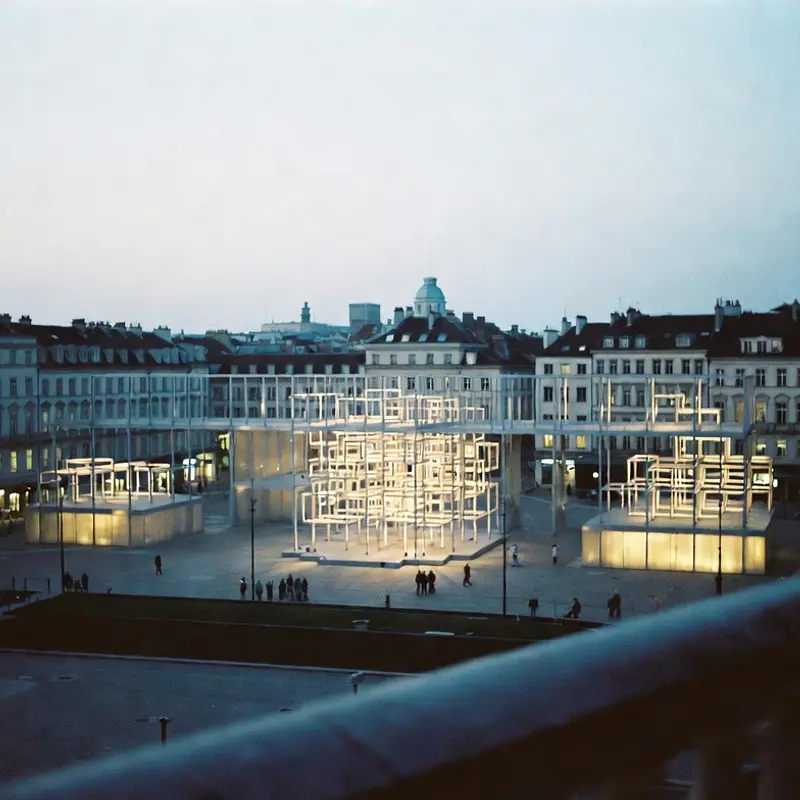
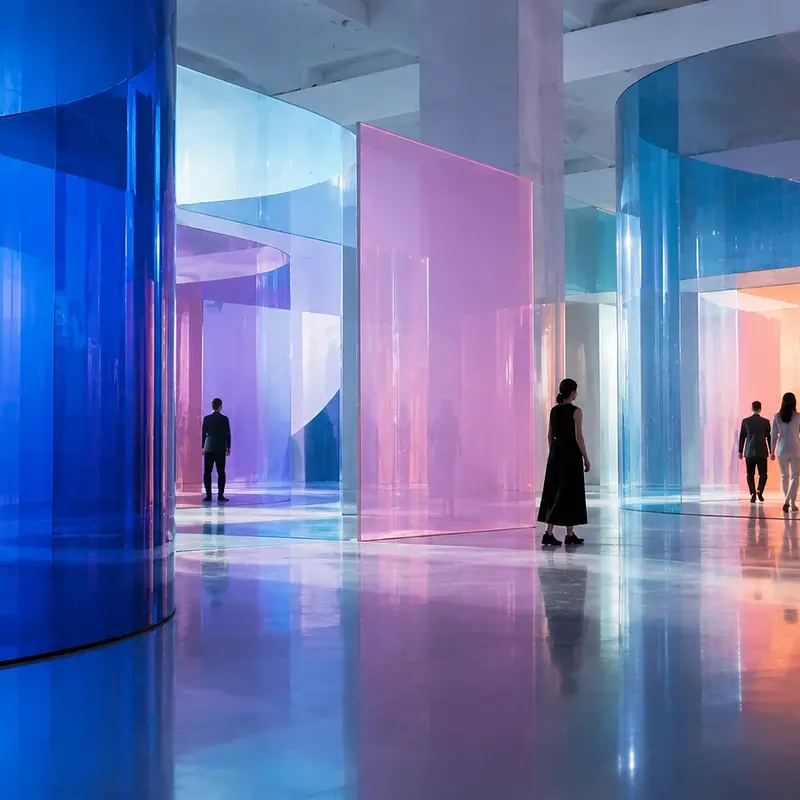
Site-specific installations create destination value — people travel to see them. The condition is that the work must be genuinely site-responsive: medium, scale, and concept shaped by the physical and cultural context of the location. Generic installations in interesting locations do not generate destination behaviour.
Brand × cultural institution partnerships are the highest-credibility format when the partnership is genuine. The brand's involvement must add something to the institution's mission, not just borrow from its reputation. Activation as extraction — where the brand takes cultural credibility without contributing cultural value — is immediately legible to culturally literate audiences.
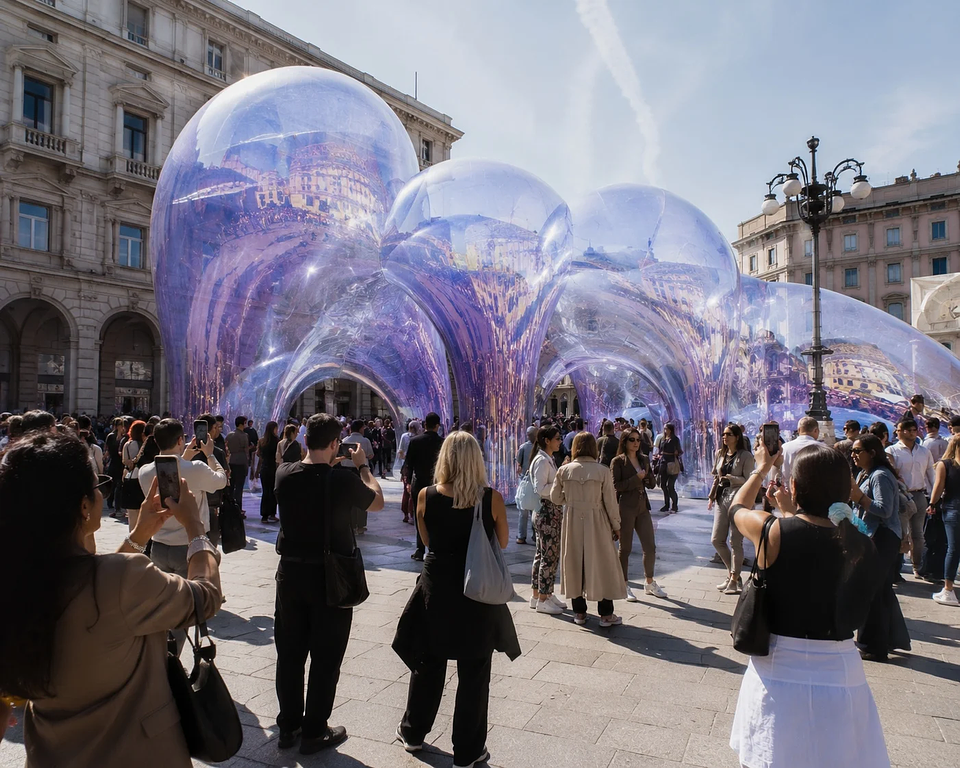
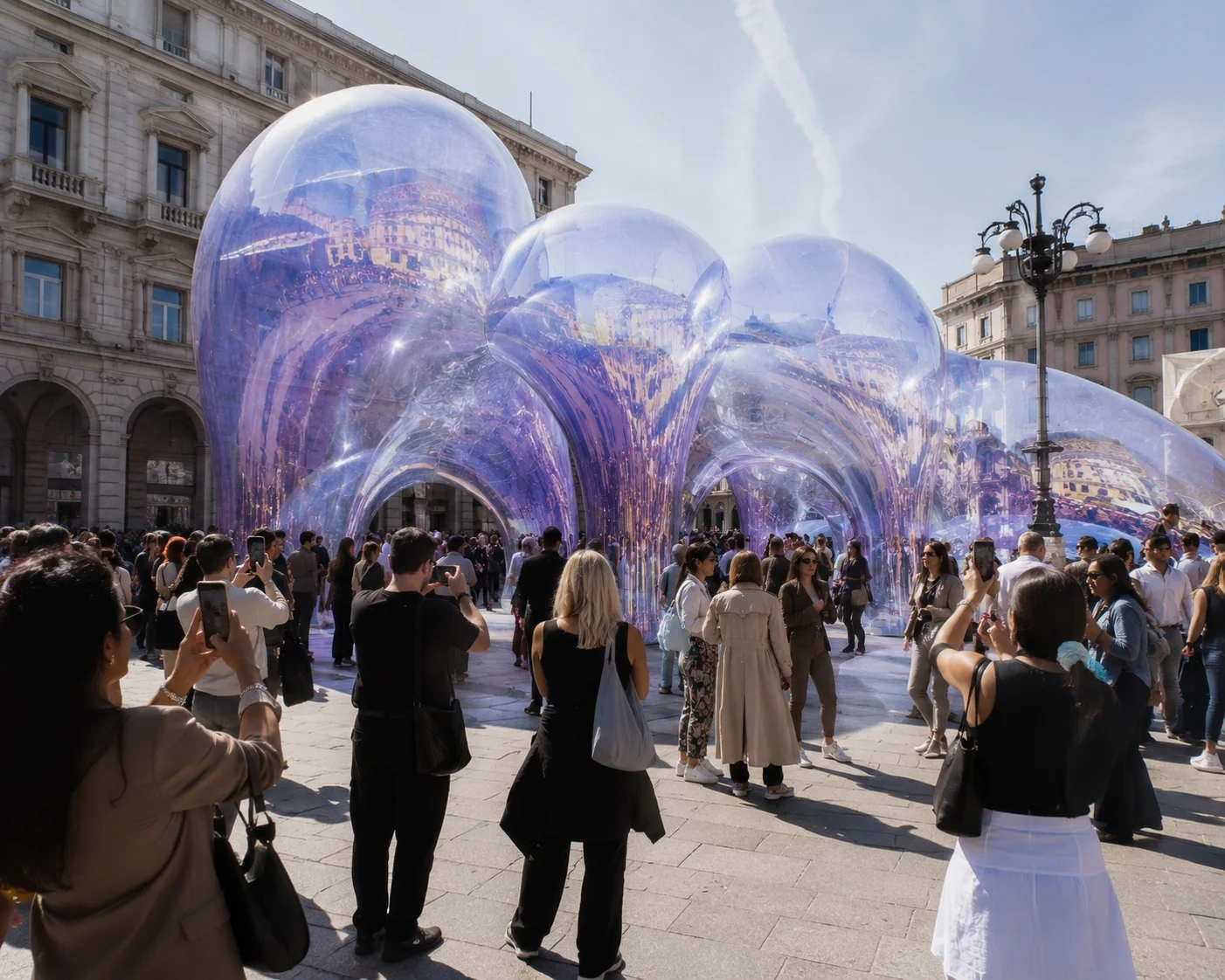
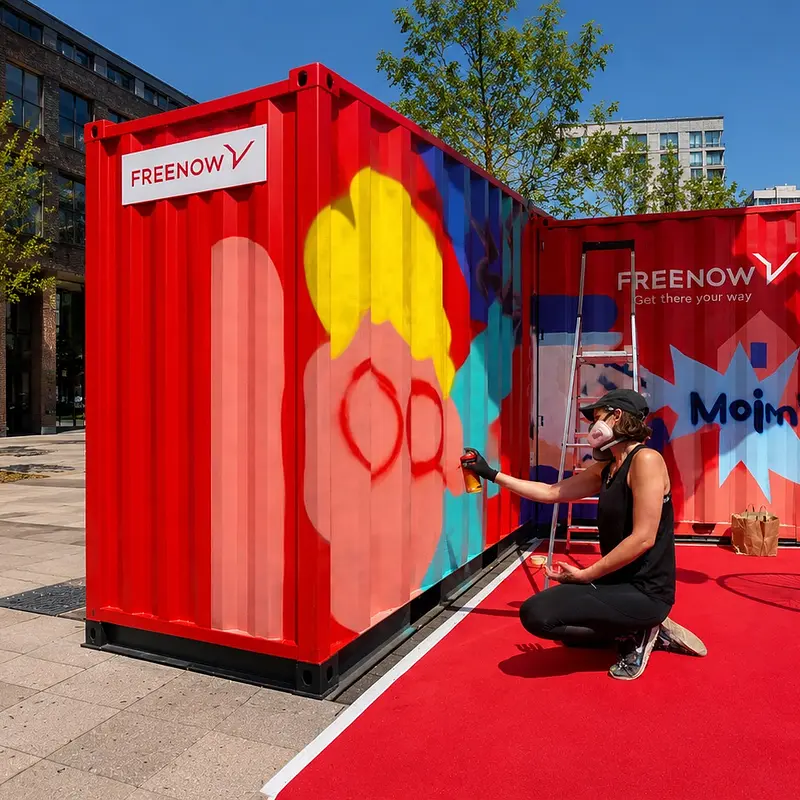
Artist-led activations work when the artist's presence is integral to the experience — not decorative. The customer isn't watching an ad. They're watching something being made for them. AI-generated.
Cultural Brand Activation Examples Worth Examining
The following examples illustrate what brand moment creation looks like when cultural intent drives the brief. They are not a formula — each worked because of the specificity of its context, not despite it.
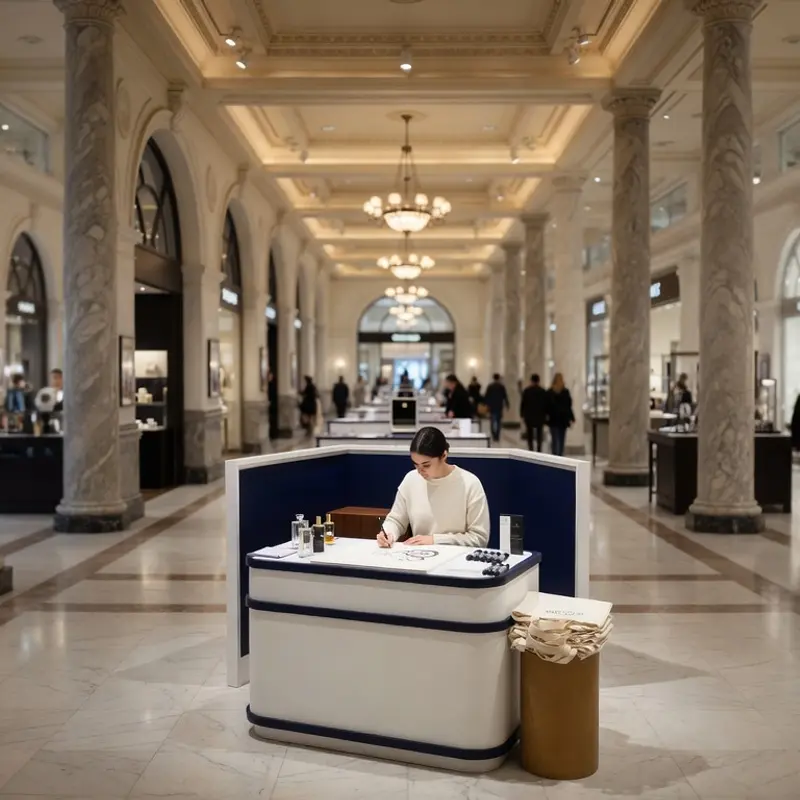
Biotherm × Douglas, Germany. The Biotherm Les Eaux Parfums activation, produced by Basa Studio, deployed live sketch artists across Douglas stores in Frankfurt, Metzingen, and Berlin over two consecutive weekends. Each artist was briefed on the sensory profile of each fragrance and produced personalised tote bag illustrations on the spot — then spritzed the finished piece with the corresponding scent. The result was a retail touchpoint that customers didn't passively receive — they witnessed something being made specifically for them, tied directly to the product they had just chosen. That shift, from transaction to cultural moment, is what makes the format work: the customer leaves not with a promotional item but with a one-of-a-kind object that carries both the visual and olfactory memory of the experience. The multi-weekend structure extended that effect across cities, building word-of-mouth momentum between activations rather than concentrating everything into a single day that most of the target audience would never see. Jacquemus, 24/24 vending machine series. The Jacquemus 24/24 pop-up staged three iterations of a 24-hour vending machine format for handbags and accessories across Paris, Milan, and London between December 2021 and May 2022. Each iteration had a distinct colour identity, a new exclusive product range, and a site chosen for cultural resonance rather than commercial footfall. None of the three activations ran paid media, yet all three generated sustained earned coverage and significant organic social content from audiences who sought them out specifically — part of an approach to brand building that, according to Forbes, has grown the brand's Instagram following to over 5 million through emotionally charged moments designed to interrupt, not advertise.
Loewe, Crafted World. The Loewe Crafted World exhibition debuted in Shanghai in 2024 before moving to Tokyo's Harajuku district in 2025, spanning over 1,300 square metres and tracing nearly 180 years of craft history through interactive rooms, artisan documentation, and cultural collaborations including the Loewe Foundation Craft Prize and partnerships with Studio Ghibli and Kyoto ceramicists. It received over 20,000 reservations in its first days in Tokyo. Loewe did not create a branded marketing event. It created something with genuine cultural value that a wide audience chose to attend — positioning the brand's craft identity as a living argument rather than a heritage claim.
How to Measure Whether an Activation Actually Worked
Footfall and impression counts are not wrong metrics. They are incomplete ones. They measure reach, not resonance. An activation with 10,000 attendees and zero earned media, zero organic social amplification beyond the day itself, and zero community conversation is a logistical success and a cultural failure.
A more complete measurement framework for culturally-led activations includes:
Earned media value — coverage generated in editorial, design, and culture media without paid placement. This is the clearest signal that an activation crossed from marketing into culture.
Social amplification rate — the ratio of organic social content created by attendees and observers to paid or brand-generated content. A high ratio indicates the activation gave people something they wanted to share on their own terms.
Dwell time — how long people stayed, and whether they returned. Destination behaviour — people travelling specifically to see the activation, or returning more than once — indicates genuine cultural value rather than incidental foot traffic.
Community word-of-mouth reach — evidence of conversation in relevant cultural communities that originated from the activation. This is harder to quantify but often the most durable signal of cultural impact.
Post-event brand attribution — whether the activation is still associated with the brand in coverage, social conversation, and audience recall beyond 30 days. Most standard activations have a cultural half-life of under a week. The ones that become cultural memories are still cited months or years later.
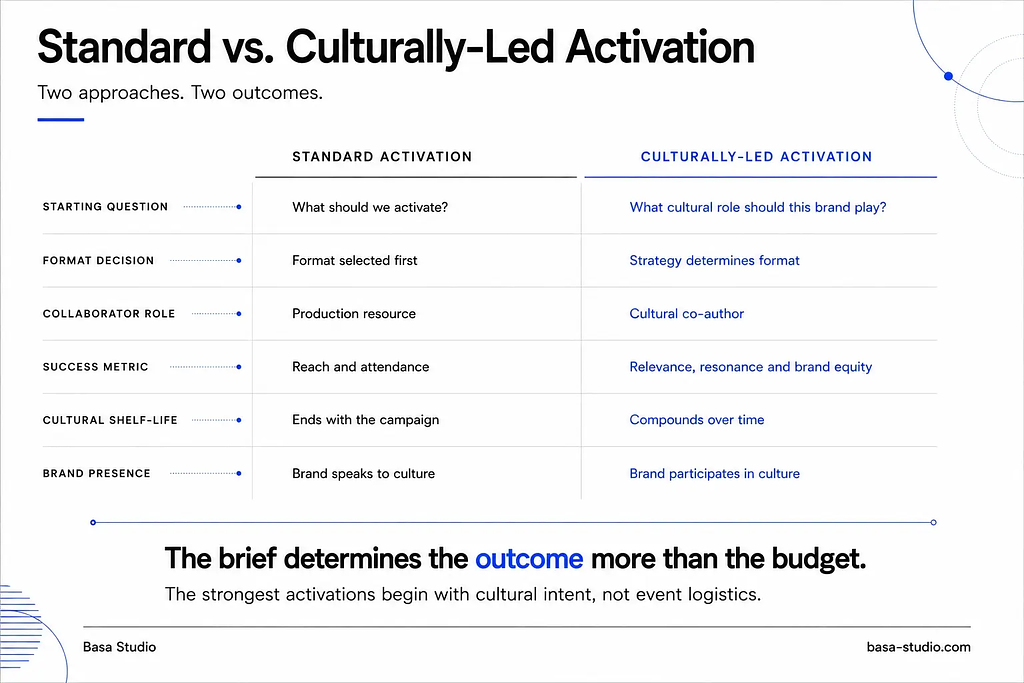
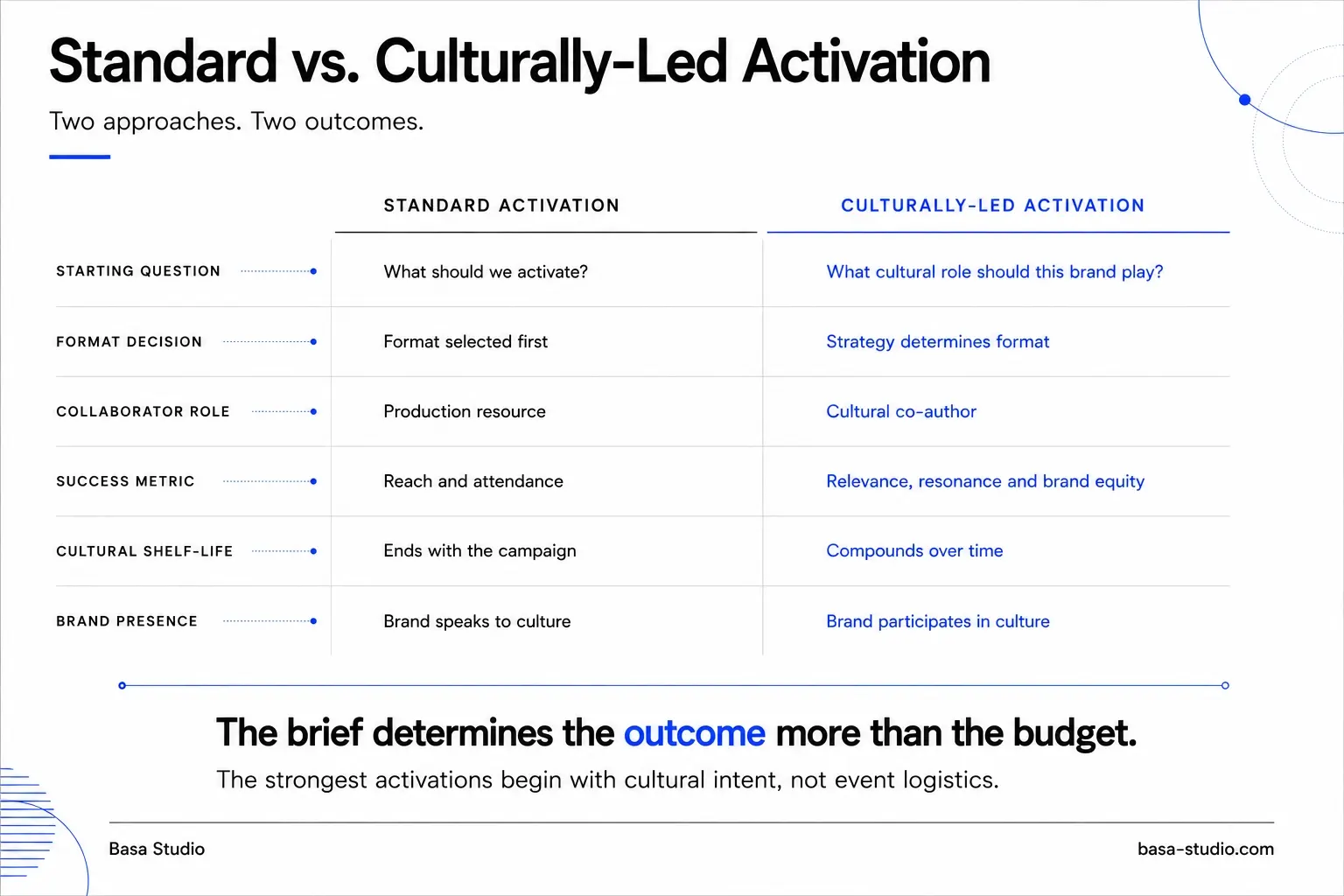
The differences between a standard activation brief and a culturally-led one show up across six dimensions: the starting question, how the format is decided, the role of collaborators, what success looks like, how long the cultural impact lasts, and how prominently the brand leads versus enables. On every dimension, the culturally-led brief produces a different kind of outcome — and a different kind of asset.
The brief determines the outcome more than the budget. These are the six questions that separate an activation strategy from an event plan.
The Strategic Argument
The reason most experiential marketing strategy defaults to logistics over cultural intent is not laziness. It's that logistics are measurable in advance, and cultural intent is not. A brand can guarantee footfall with enough media spend. It cannot guarantee that an activation will become a cultural memory. The risk feels asymmetric.
What culturally-led brands have understood is that this framing inverts the actual risk. A logistics-first activation is expensive and forgettable by design. A culturally-led activation — when the brief is right, the collaborators are chosen with precision, and the production can match the ambition — creates assets that generate returns long after the event closes. Earned media, community association, brand perception shifts, and the compounding credibility of being known as a brand that makes things worth seeking out: these are not soft outcomes. They are the difference between a brand that earns cultural authority and one that perpetually rents it.
The starting point is the brief. Specifically, the moment in the brief where the question shifts from what format should this be? to what cultural moment are we building, and who should lead it?
That shift is not cosmetic. It changes who is in the room at the beginning of the process, what kind of collaborators are sought, and what success looks like when the activation is over.
Ready to Build an Activation Strategy That Earns Attention?
If your activation is tied to a launch, the cultural stakes are often higher, see our thinking on product launch experiences.
If you're planning an activation and want to start with the brief rather than the format, get in touch with Basa Studio. We work from strategy through execution, integrating cultural collaborators from the beginning, not the end.
Related creative stories
Browse through other features, interviews and guides to discover creative brand collaborations, meet innovative artists and creators, find out how new artforms are energizing advertising, & more.
We're excited to hear from you! If you're looking for artistic solutions for your next creative marketing campaign, send us your briefing. We can also help create a killer concept if you're in an early ideation phase. Check out our services for more.
Send your briefing
About you
THANK YOU
Your inquiry has been sent
We have received your inquiry. We'll get back to you within 24-48 hours to discuss your project. If you need urgent assistance, reach us on WhatsApp: +49 176 432 64506. In the meantime, we invite you to explore our insights, case studies, and lessons from building culturally grounded brand experiences.
Please contact us by phone if you're not able to reach us via this form.
THANK YOU
We have received your inquiry. We'll get back to you within 24-48 hours to discuss your project. If you need urgent assistance, reach us on WhatsApp: +49 176 432 64506. In the meantime, we invite you to explore our insights, case studies, and lessons from building culturally grounded brand experiences.
We use cookies to help empower our artists and make them accessible to clients. Check out our Privacy Policy and Terms of Service to see how your data can make a difference.