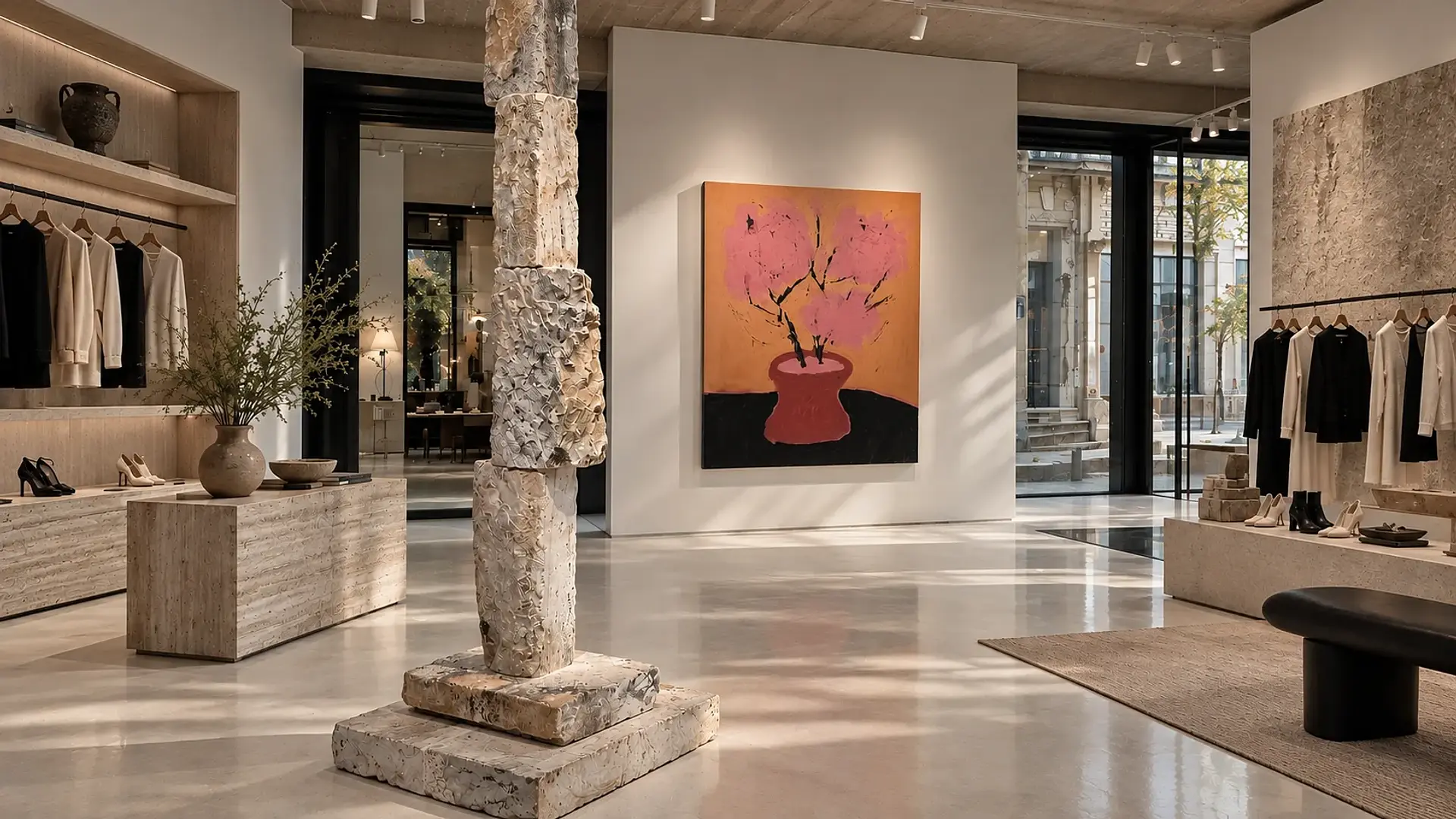
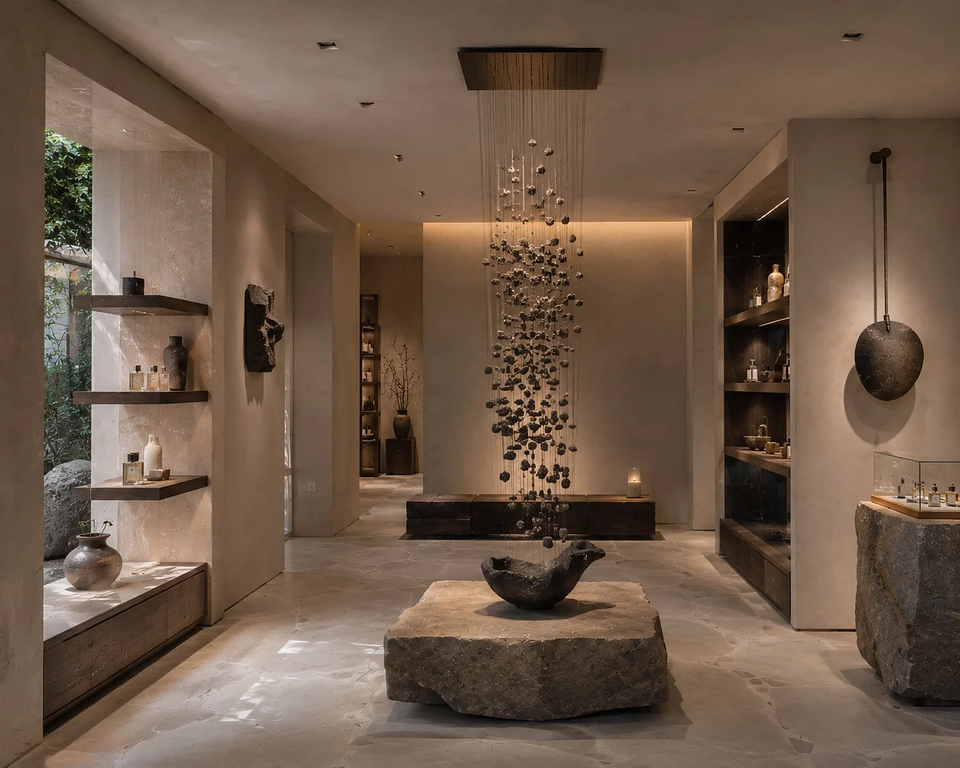
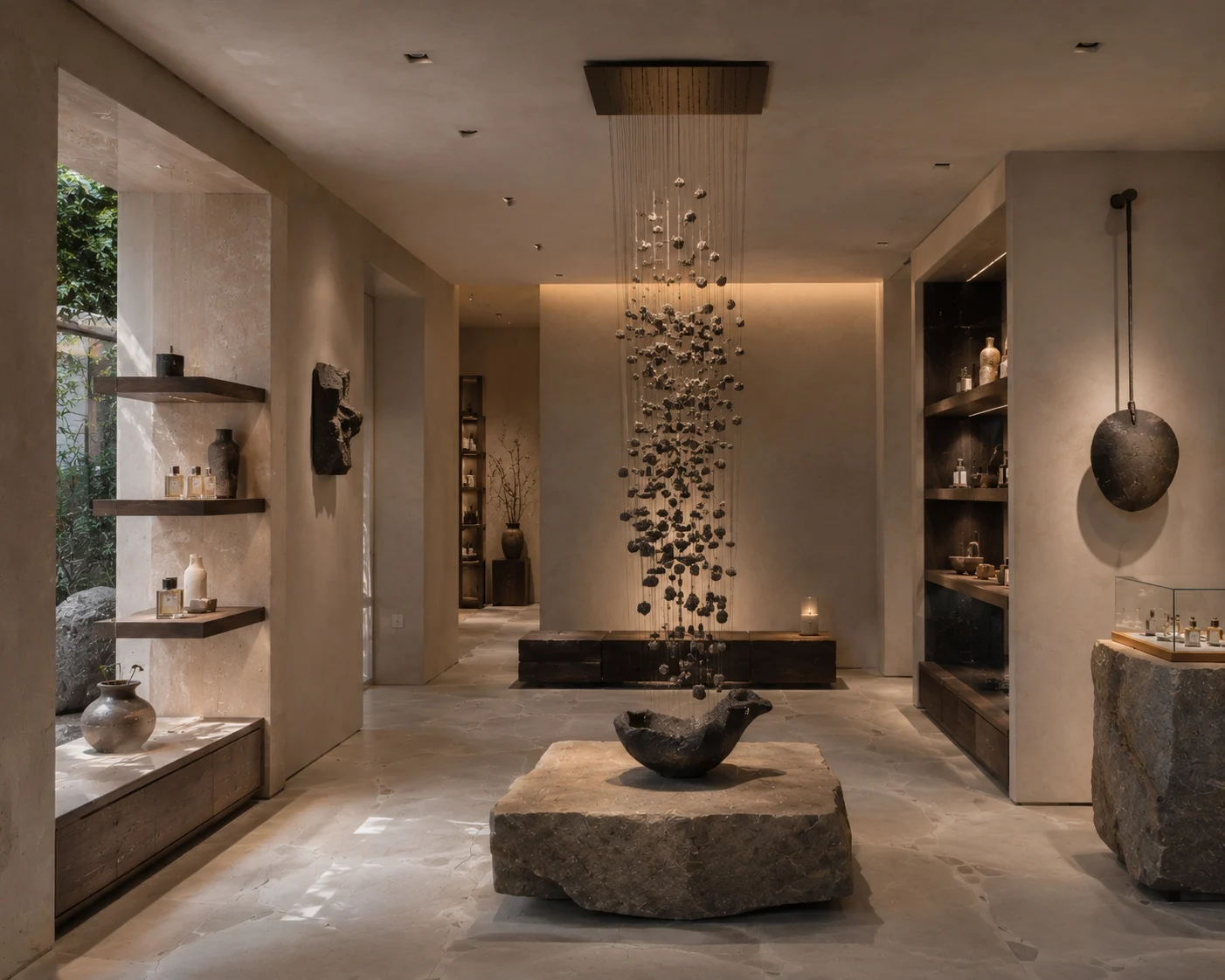
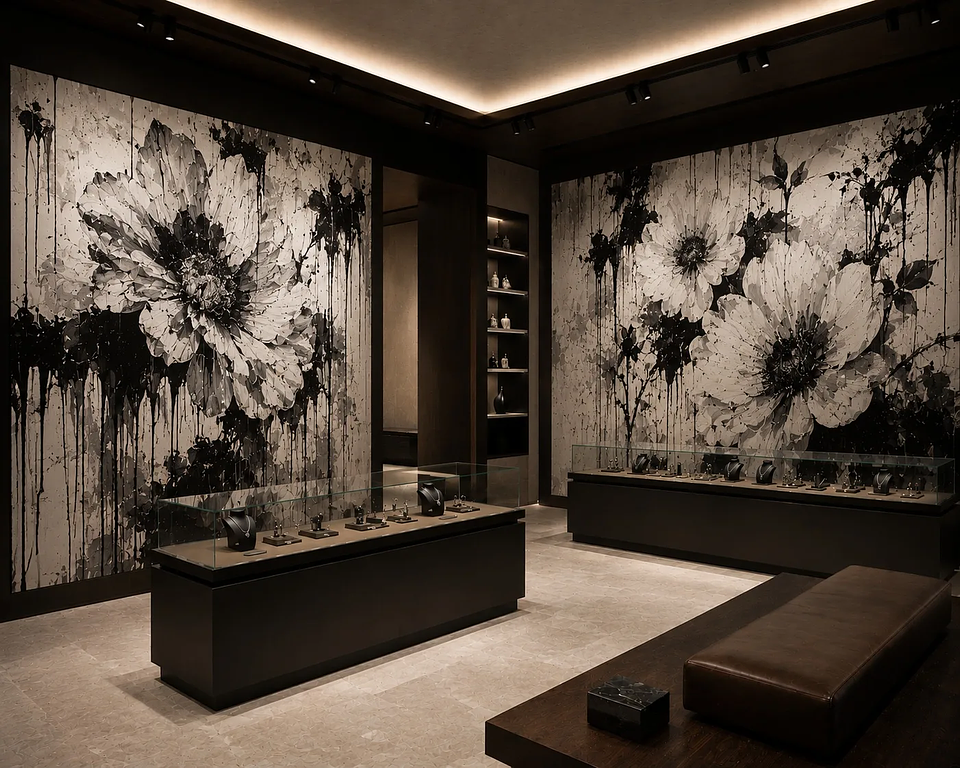
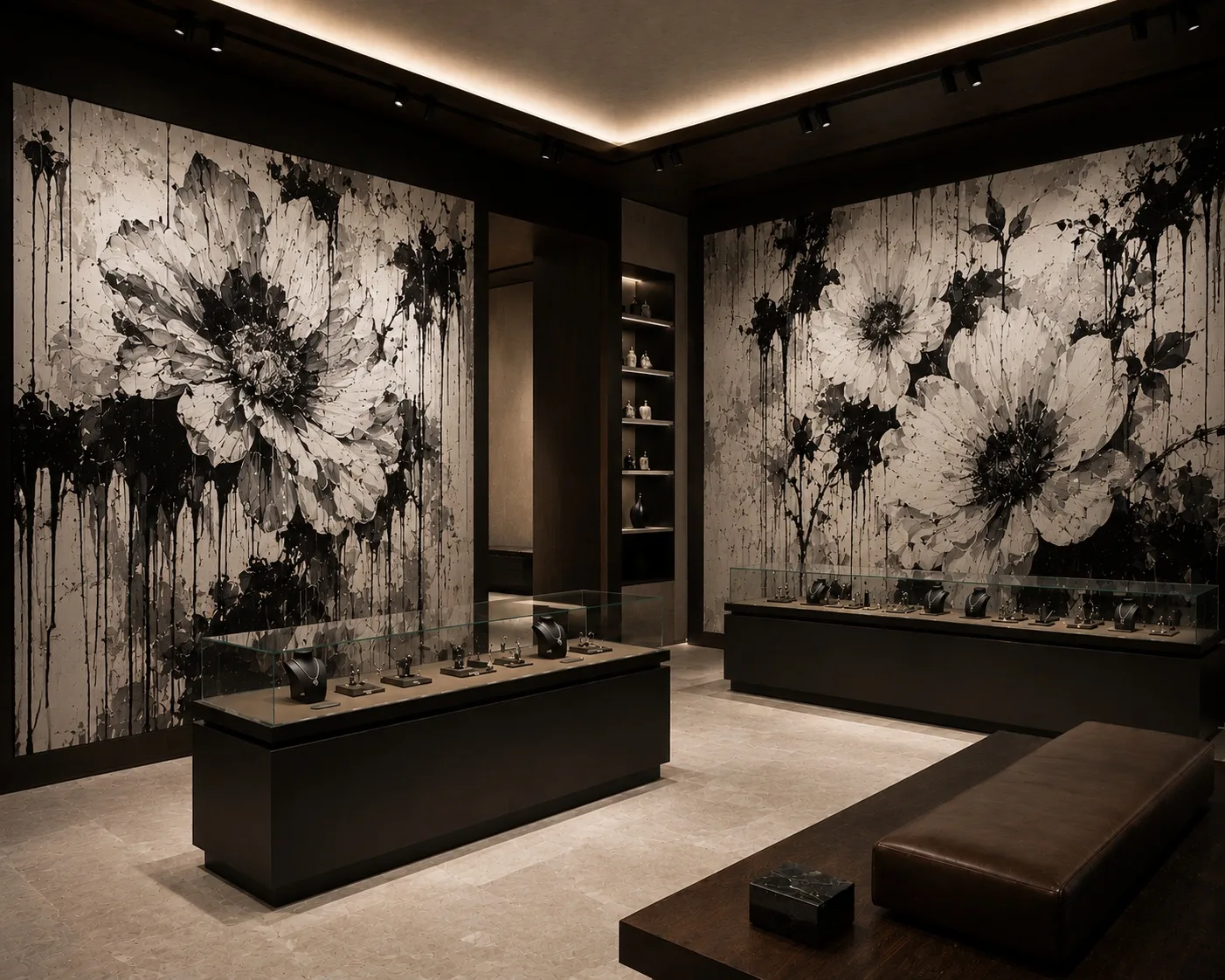
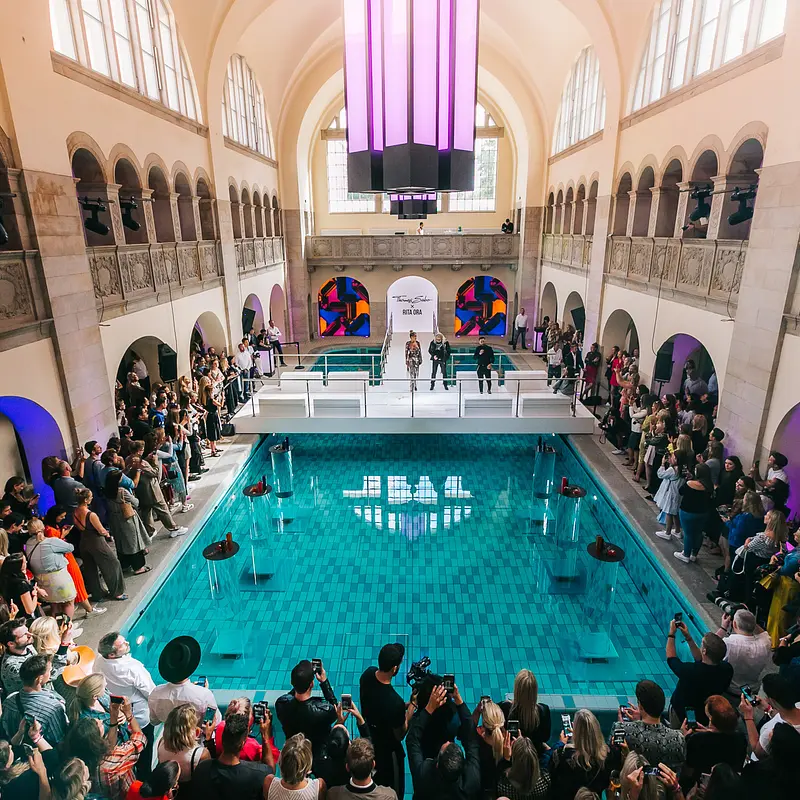
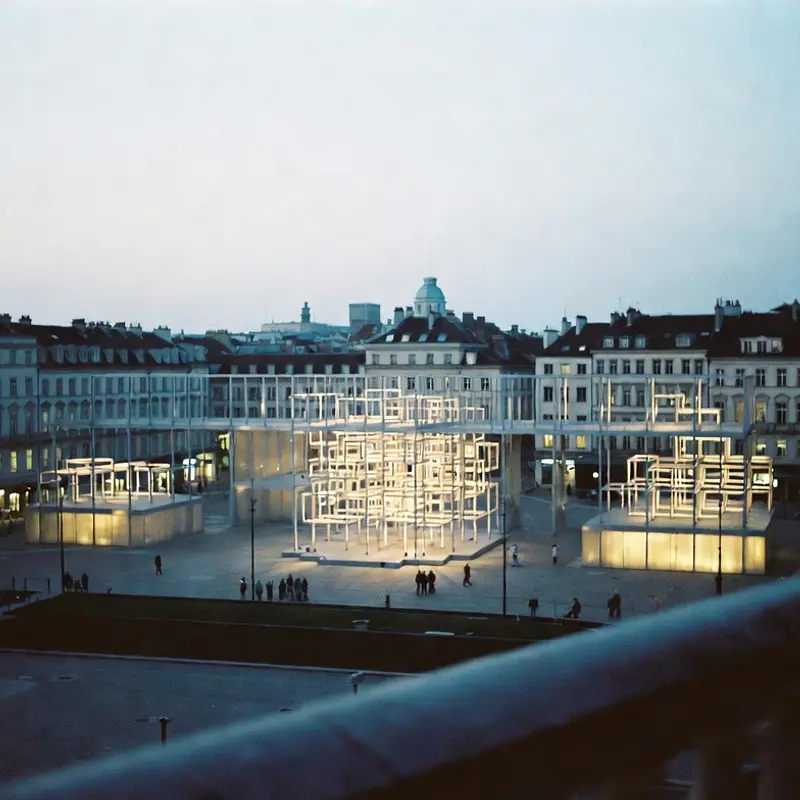
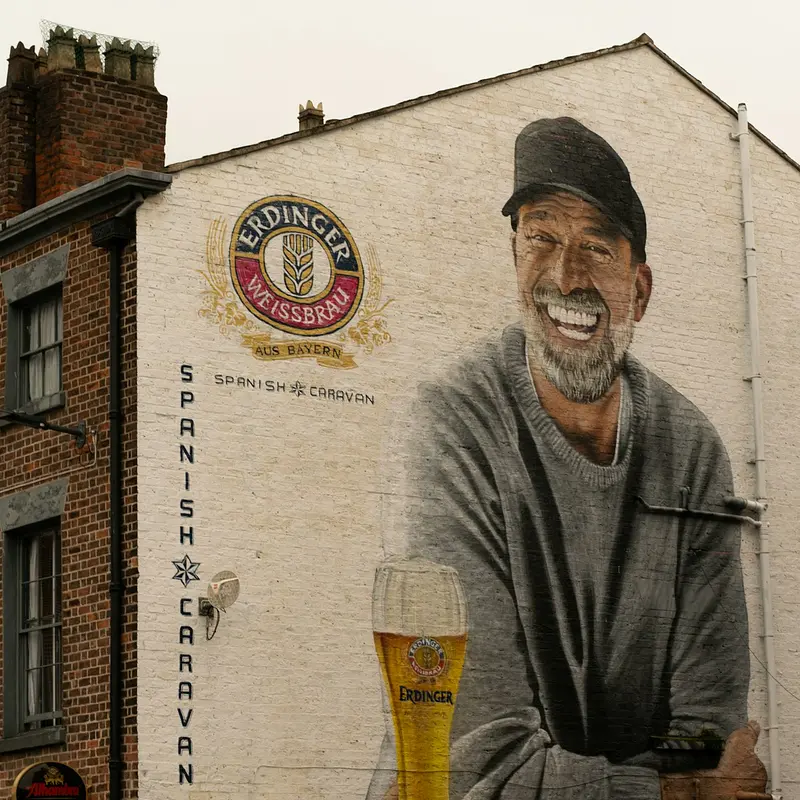
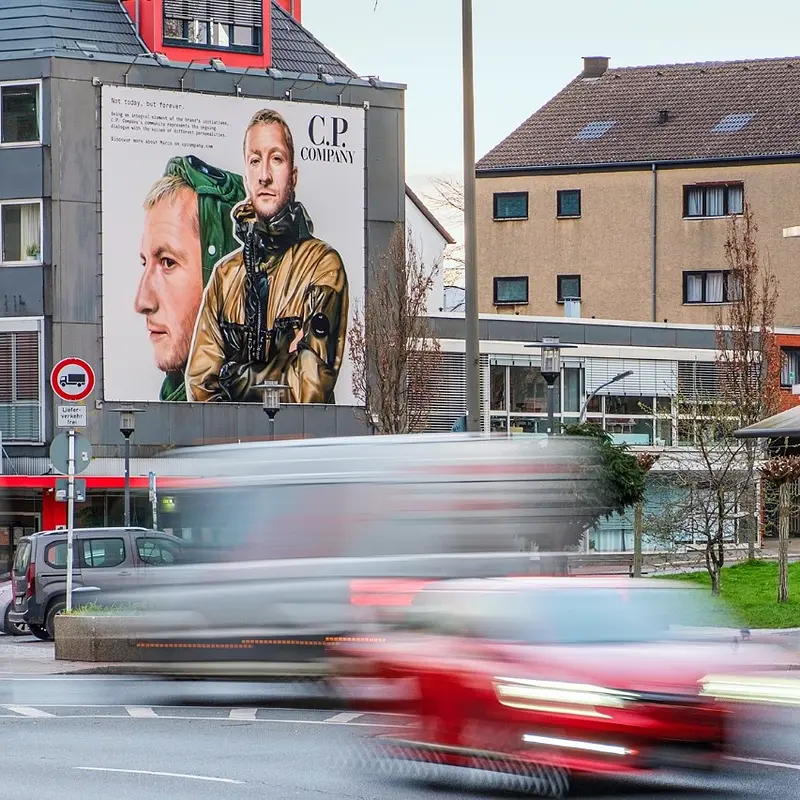
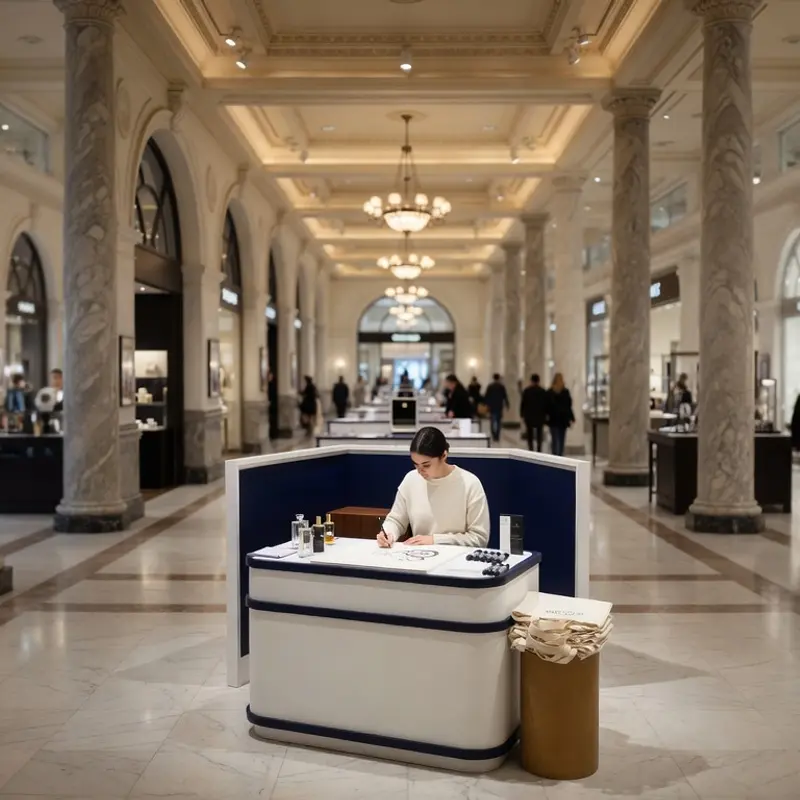
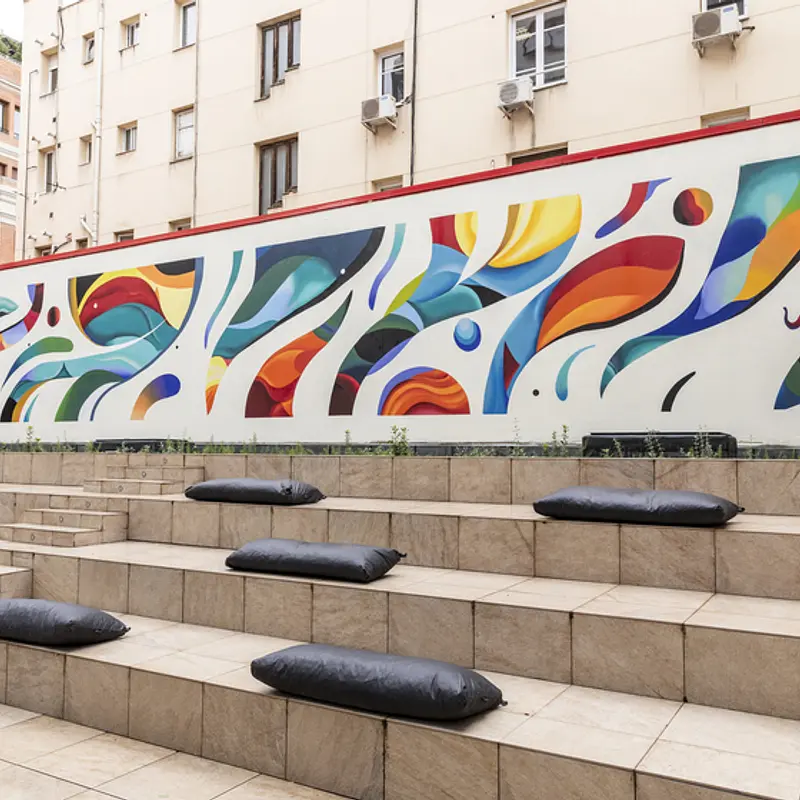
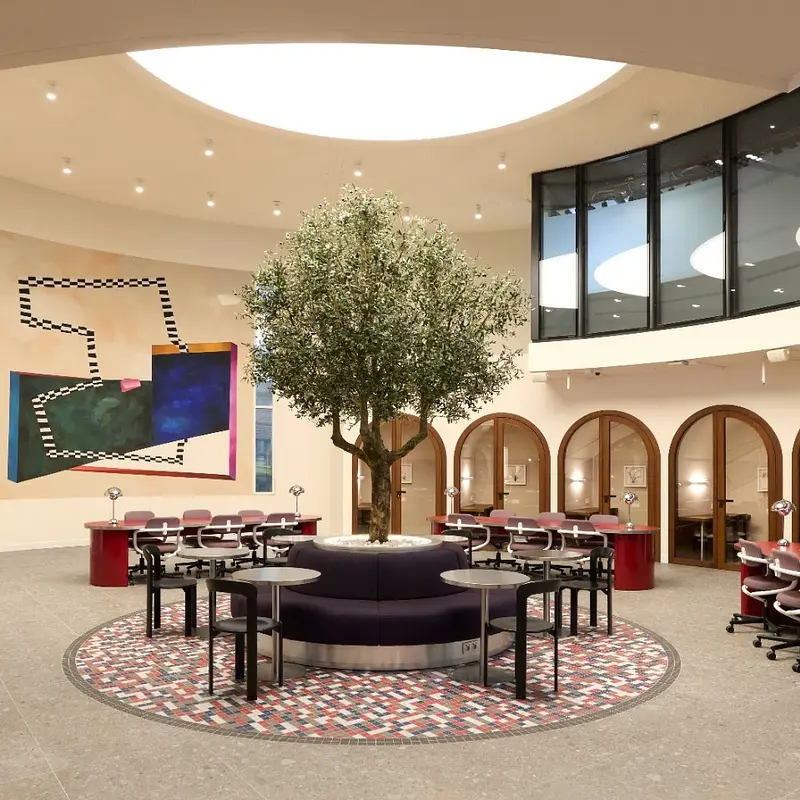
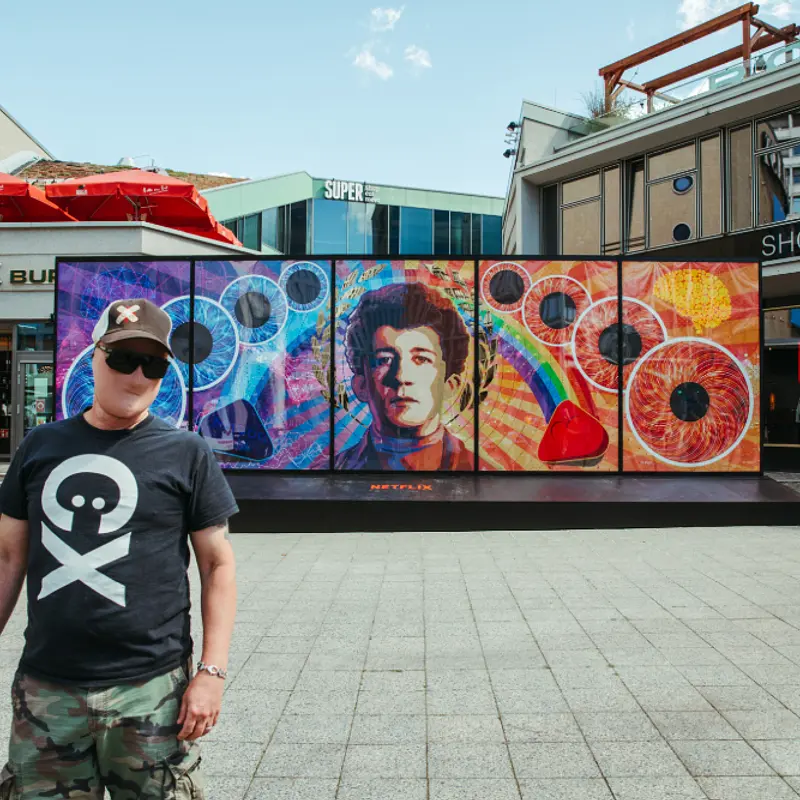
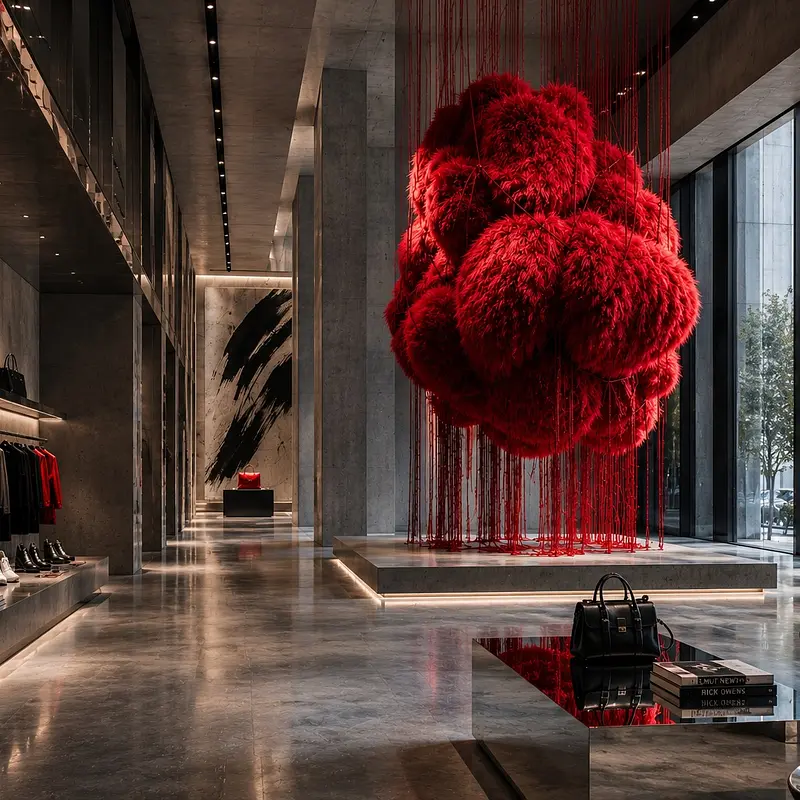
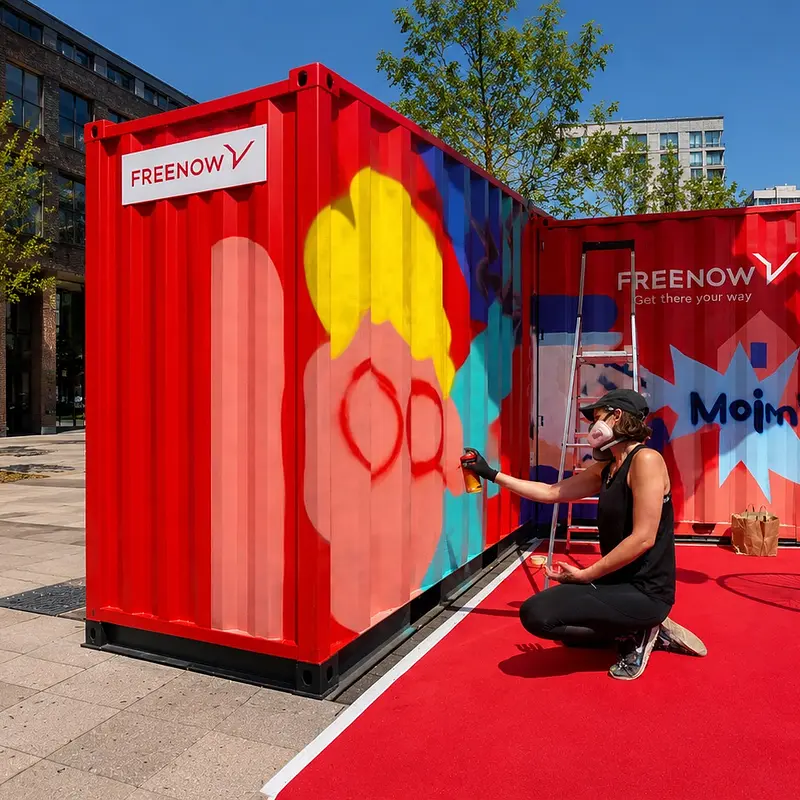
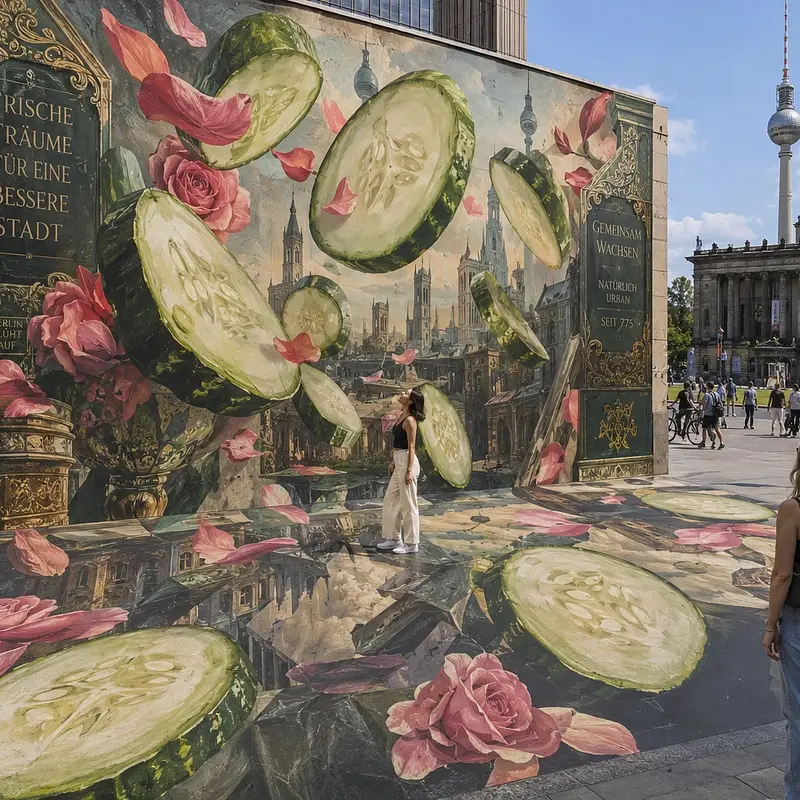
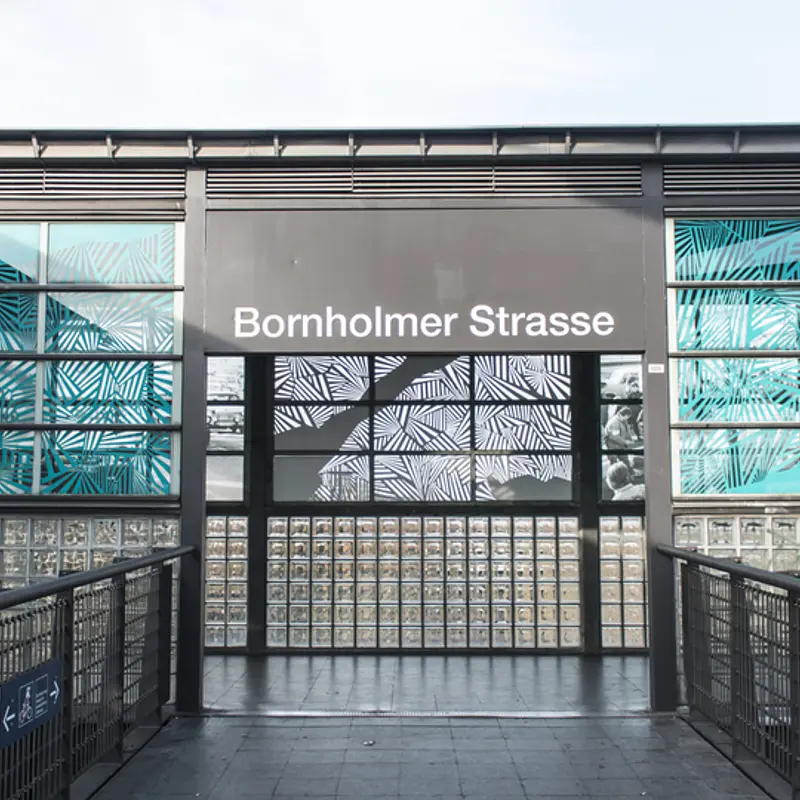
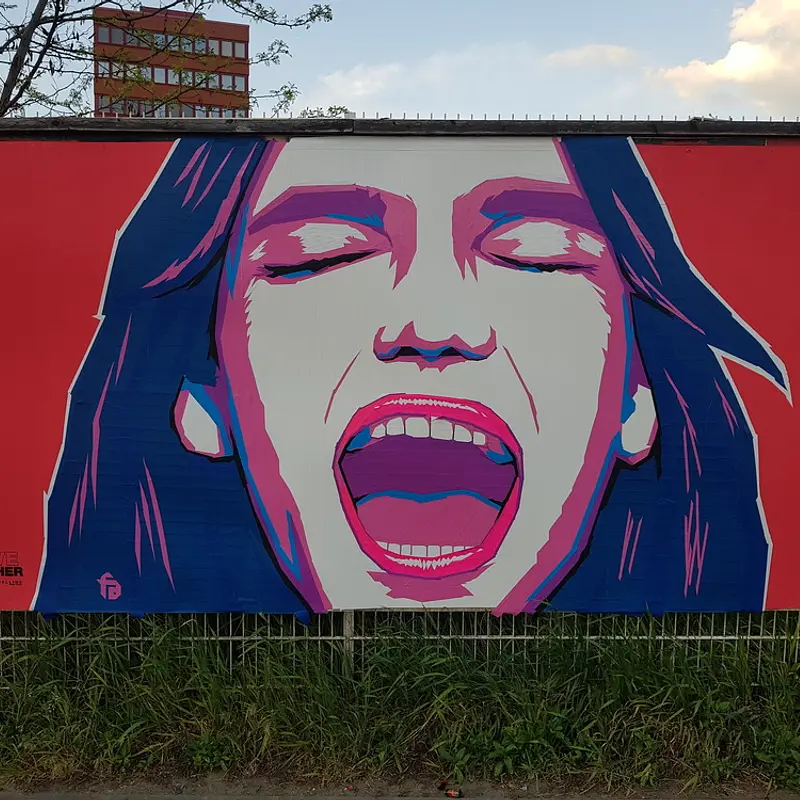
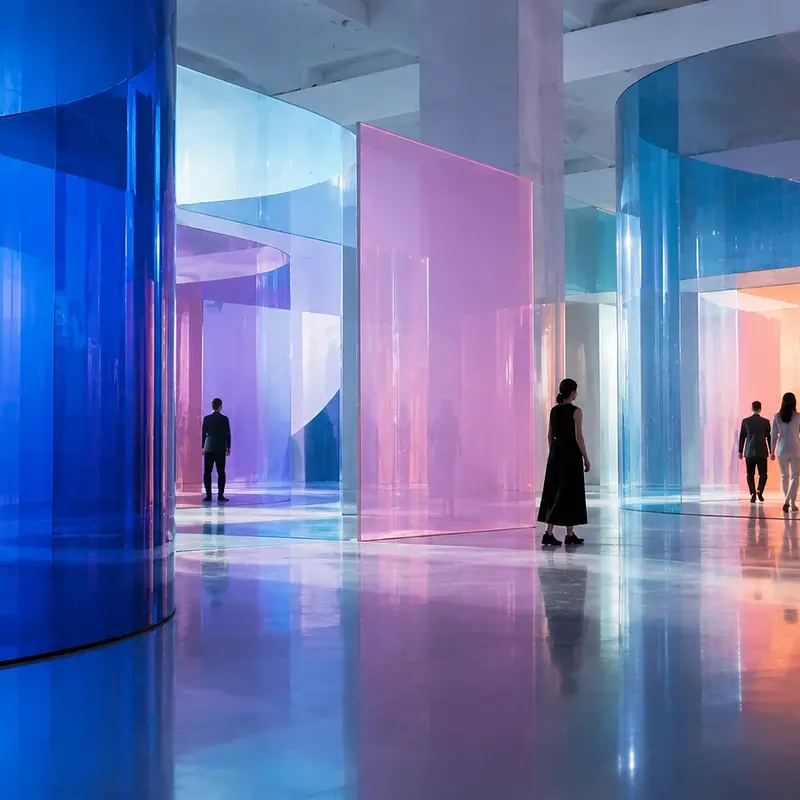
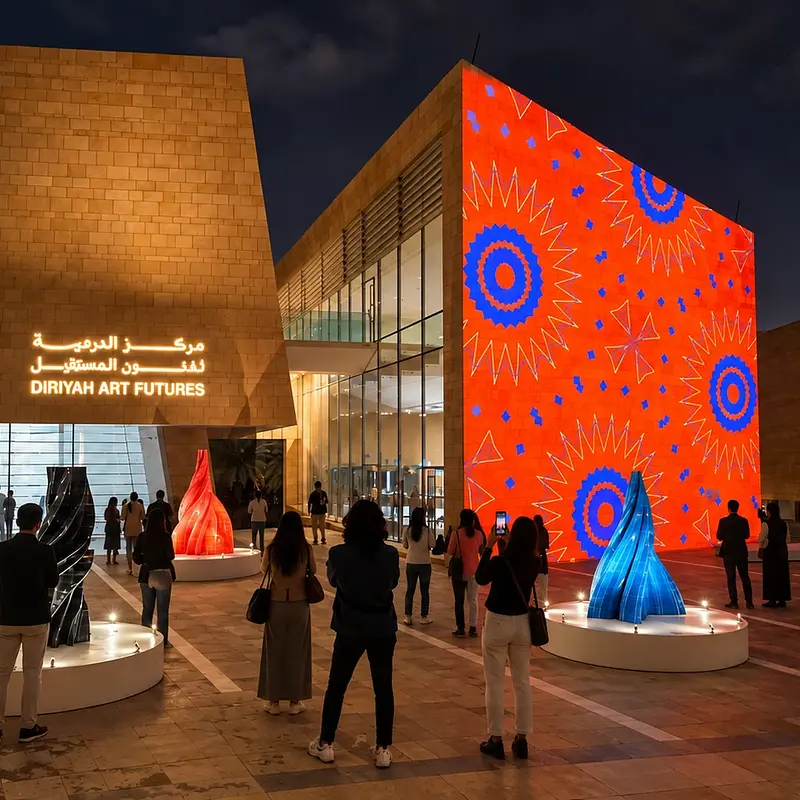
No digital channel controls every sensory dimension. The retail brand experience does — which is why, for luxury brands, the store is a cultural statement.
The Case for Physical Retail in a Digital-First World
The conventional wisdom says digital has won. Brand budgets have shifted accordingly — performance marketing, social, e-commerce, influencer. Physical retail is treated as a legacy cost, a necessary distribution channel, managed rather than invested in.
The luxury sector tells a different story.
Physical luxury retail is not losing share to e-commerce as quickly as other categories — stores are expected to keep pace with e-commerce growth through the end of the decade. The reason is structural, not sentimental. The physical store is shifting from transactional to experiential. In luxury retail, customers demand personalised experiences and outstanding service — and they remain most likely to complete their purchases in a brand store.
This is not a defence of retail as it was. It is a recognition of what retail can be — and what it uniquely offers that no digital channel can replicate.
A brand's website can be beautifully designed, but it cannot control temperature, scent, acoustics, or the weight of a door handle. It cannot determine how a customer's footsteps sound on the floor, or what they feel when they run a hand across a surface. These are not details. They are the entire sensory architecture of an encounter — and they are available only inside a physical space.
For luxury brands, this matters more than ever. The segments recording the strongest growth in the luxury market are all experience-related. The brands that continue to hold pricing power and customer loyalty are those that have invested in genuine experiential differentiation — not just beautiful products, but the culturally grounded environments in which those products live.
The numbers that confirm this are not abstract. Savills's 2024 Global Luxury Retail Outlook reported that luxury real estate acquisitions by major groups exceeded €6 billion in 2023 — six times the level of the previous year — as LVMH, Kering, and Hermès secured flagship locations in Paris, Milan, and New York. These are not real estate plays. They are brand equity investments. LVMH has been explicit: as Glossy reported from the group's own communications, the bulk of its growth comes from physical stores, and the bulk of its capital has been invested in the real estate that houses them.
The difference between a store that looks premium and one that feels culturally grounded is rarely about price — it is about the intelligence of the decisions behind every surface and spatial choice.
Premium Aesthetics vs. Cultural Depth: Why the Difference Matters
There is a version of luxury retail design that is impeccably executed and entirely forgettable. Marble floors. Brass fixtures. Soft lighting. Products displayed with generous negative space. Everything signals quality. Nothing signals meaning.
Sophisticated customers — the kind who have walked through Hermès on Rue du Faubourg Saint-Honoré, the Dior flagship in Seoul, or the Louis Vuitton Maison on the Champs-Élysées — recognise the difference immediately. They do not articulate it as "this space has cultural depth" or "this is merely premium aesthetics." But they feel it. A space that has been genuinely conceived — where every material choice, every surface, every spatial decision carries an idea — produces a different quality of attention and memory than one that has simply been expensively furnished.
The most enduring luxury houses have always understood the store as a hybrid of commerce and culture — engaging art, architecture, and spatial narrative to create environments that go far beyond the act of purchase. This is not a recent development. It is the foundational logic of the flagship store, and it is why the brands with the most culturally coherent retail environments consistently outperform those that treat the store as a distribution point with better lighting.
What has changed is the competitive pressure to get this right. When online channels provide convenience and aspiration simultaneously, the physical store must justify the journey. It must offer something that cannot be accessed from a screen.
A culturally grounded retail environment does this. One that is only aesthetically premium does not.
And increasingly, this is understood beyond the luxury sector. Luxury brands were the early adopters — but the logic is spreading. COS, the H&M Group fashion brand, has built a consistent practice of integrating commissioned artists and artisans into its retail environments across Europe. Its 2025 collaboration with interior design studio Studio Ashby brought site-specific artworks into stores in London, Paris and Helsinki — each selected for its relationship to the specific location. In Mexico City, the inaugural COS flagship integrated local artisan craft traditions directly into the interior — thread-weaving by female-led collective Caralarga, handcrafted furniture by local makers. When brands that built their identity on accessibility start investing in cultural depth at the store level, the direction of travel is clear.
How Artisans Elevate a Space Beyond What Mass Production Can Achieve
The most immediate and legible form of cultural depth in a retail interior is material honesty — the quality of surfaces, finishes, and craft details that mass production cannot replicate.
Artisan collaboration in retail design operates at this level. It is not decorative. It is structural to the experience.
A hand-formed ceramic tile carries information in its surface that a machine-made equivalent does not. A bespoke cabinet constructed by a cabinetmaker using traditional joinery techniques will behave differently to the touch — and to the eye at close range — than one that has been CNC-routed and veneered. A handwoven textile wall panel introduces a texture and warmth that industrial fabric cannot approximate. These differences are perceptible even to customers who cannot name what they are responding to. The experience of a well-made surface registers below the level of conscious analysis.
For luxury brands, this alignment between product values and environmental values is critical. A jewellery house that positions its collections on craft, heritage, and material excellence cannot credibly present those objects in an environment made from materials that contradict those values. The store is not just a backdrop. It is a continuation of the argument the brand makes in everything it produces.
The Hermès flagship on Rue de Sèvres in Paris makes this visible at its most considered. The Petit H métier — centred on material reuse and reinvention — occupies its own dedicated space within the store, translating the brand's artisan values directly into the spatial experience. The store does not reference craft. It enacts it. The same logic governs the Madison Avenue flagship in New York, where individual salons, each organized around one of the house's 16 craft disciplines, connect through considered thresholds — the spatial layout making the brand's heritage of making legible in three dimensions.
How Artists Transform a Space from Designed to Meaningful
Artisan collaboration grounds a space in material quality. Artist collaboration does something different: it gives a space a point of view.
A retail interior that incorporates commissioned artworks — developed specifically for that location, by artists with independent and recognised practices — moves from designed to meaningful. Artworks introduce a narrative layer that the architecture alone cannot carry. They give the customer something to read, something to return to, something to talk about. They position the brand as a participant in culture, not merely a consumer of it.
This is not the same as placing reproduction prints on walls, or installing generic sculptures in corners. The distinction lies in specificity and integrity. Commissions that emerge from genuine dialogue between the brand's identity and the artists' practices — where the brief is specific without being prescriptive, and each collaborator is selected for genuine conceptual alignment rather than decorative compatibility — produce work that carries both parties' credibility simultaneously.
The Dior Seoul flagship discussed earlier makes this visible at its most ambitious: Peter Marino integrated rotating gallery exhibitions curated by guest curators every three to six months — alongside bespoke artisan-made furniture — positioning Dior explicitly as a cultural entity as well as a commercial one.The gallery gives customers a reason to return that has nothing to do with whether they need to make a purchase.
At the Hermès flagship on Rue du Faubourg Saint-Honoré, the approach extends to monumental site-specific installation. Designer Faye Toogood was commissioned to create a dramatic sculptural intervention — constructed from steel, aluminium, and fibreglass — coinciding with the launch of a new haute jewellery collection. The installation directed visitors' gaze upward through the store's architecture, making spatial experience and cultural encounter inseparable.
Commissioned artworks developed in genuine dialogue with the brand give a space something no interior design alone can provide: a point of view.
Spatial Strategy: How the Architecture of a Space Shapes Brand Perception
Cultural depth is not only expressed in what hangs on the walls or sits on the floors. It is expressed in how a space is organised, how a customer moves through it, and what that movement produces in terms of experience and memory.
The commercial logic is straightforward: a customer who stays longer spends more time with the brand, encounters more of the product range, and forms a stronger association between the physical experience and the brand's identity. Coach found this out at scale — after adding cafés to its retail locations, according to eMarketer's 2026 analysis of luxury retail expansion, some stores saw double- or triple-digit sales gains. The spatial decision to give customers a reason to stay produced a measurable commercial outcome.
But dwell time is a downstream effect. The upstream question is: what architecture of experience produces it?
In culturally grounded retail environments, spatial strategy addresses audience flow not as a logistics problem but as a narrative one. Entrance sequences establish tone — the transition from street to store, managed through materials, light, and scale, is the first brand statement. The organisation of the interior creates a rhythm of discovery: zones of focus alternating with pause points, each with its own sensory register. Sightlines are designed, not incidental. The back of the store — where the most considered purchases often happen — is reached through an experience, not a queue. Product display is organised to reward attention rather than maximise exposure, drawing the customer deeper into the space rather than front-loading inventory.
This is where the integration of commissioned artworks becomes spatially strategic rather than merely decorative. Works positioned at the end of a sightline draw the customer forward. Works placed in pause zones — seating areas, thresholds between spaces — give meaning to moments that would otherwise be transitional. The artworks and the spatial strategy are not separate decisions. The best retail environments treat them as a single problem.
The Long-Term Brand Equity Case
A well-executed retail interior is not a campaign. It does not have a flight date or a sunset. It accrues value over time.
This is the argument that tends to unlock investment at board level. Digital campaigns produce measurable short-term returns — and equally measurable decay once the spend stops. A culturally designed retail environment produces something different: a sustained signal of brand values, experienced by every customer who walks through the door, compounding over years rather than weeks.
The financial logic has been validated externally. McKinsey's analysis of retail performance during and after the 2008 financial crisis found that brands which had invested most heavily in customer experience outperformed the market by a factor of three in total shareholder returns over the long run — navigating the downturn more cleanly and emerging from it faster than their peers. The differentiator was not budget. It was the depth of the customer relationships those brands had built.
In the luxury segment specifically, this plays out at the level of institutional strategy. The same Glossy report referenced earlier is unambiguous on this point: LVMH has committed the bulk of its capital to physical stores because, in management's own words, the bulk of its growth comes from them. Hermès committed €900 million to operational investment in stores and real estate in 2023 alone. Kering acquired a historic building on Via Monte Napoleone in Milan for €1.3 billion — the largest European property deal in two years at the time. These are not costs. They are the structural foundations of brand equity that no performance marketing budget can replicate.
At the deepest level, a culturally grounded space builds the kind of association that is resistant to competitive pressure. A customer who has had a genuinely memorable experience in a space — who encountered something that surprised them, that they described to someone else — has formed a relationship with the brand that no algorithm can displace.
And at the longest timescale, the brands that have most consistently invested in their physical environments — Hermès, Louis Vuitton, Dior — have built reputations for cultural seriousness that function as filters. They attract the collaborators, the press, and the customers that reflect the quality of their cultural commitments. The store is never just a store. Over time, it is evidence.
What Brand-Led Retail Design Looks Like in Practice
Brand-led retail design starts with a brief that is strategic before it is aesthetic. The question is not "what should this store look like?" but "what should this store make the customer feel, believe, and remember?"
From that brief, the decisions about architecture, materials, artisan collaboration, and artist commissions follow a logic rather than a preference. Artisans are selected because their specific craft tradition aligns with the brand's material values — not because their work is generically beautiful. Artists are selected because their conceptual practices intersect meaningfully with the brand's identity — not because their names provide cultural cover.
For luxury brands operating at this level, the environment must be coherent at every register simultaneously: the quality of the materials, the intelligence of the spatial layout, the cultural authority of the commissioned works, and the alignment between all of these and what the brand claims about itself in every other touchpoint it controls.
This is the standard that separates a culturally designed retail environment from one that has simply been expensive to build. It is also the standard that produces the long-term return — in brand equity, in customer loyalty, and in the compounding value of a space that earns attention rather than demanding it.
The Store as the Brand's Most Durable Statement
Every brand touchpoint makes a claim. Social content claims relevance. Advertising claims desirability. Packaging claims quality. The physical store is the only touchpoint where a brand must substantiate all of those claims simultaneously, in three dimensions, in real time, in the presence of a customer who has chosen to be there.
That is both the challenge and the opportunity. A culturally designed retail environment — one that integrates artisan material quality with artist-led conceptual vision, structured by spatial intelligence — does not just sell products. It makes the case for the brand's place in the world.
That case, made well, outlasts any campaign. It is the brand's most durable statement. Basa Studio designs brand experiences rooted in cultural depth — from strategy through execution. If you are rethinking your physical retail environment, let's talk.
Related creative stories
Browse through other features, interviews and guides to discover creative brand collaborations, meet innovative artists and creators, find out how new artforms are energizing advertising, & more.
We're excited to hear from you! If you're looking for artistic solutions for your next creative marketing campaign, send us your briefing. We can also help create a killer concept if you're in an early ideation phase. Check out our services for more.
Send your briefing
About you
THANK YOU
Your inquiry has been sent
We have received your inquiry. We'll get back to you within 24-48 hours to discuss your project. If you need urgent assistance, reach us on WhatsApp: +49 176 432 64506. In the meantime, we invite you to explore our insights, case studies, and lessons from building culturally grounded brand experiences.
Please contact us by phone if you're not able to reach us via this form.
THANK YOU
We have received your inquiry. We'll get back to you within 24-48 hours to discuss your project. If you need urgent assistance, reach us on WhatsApp: +49 176 432 64506. In the meantime, we invite you to explore our insights, case studies, and lessons from building culturally grounded brand experiences.
We use cookies to help empower our artists and make them accessible to clients. Check out our Privacy Policy and Terms of Service to see how your data can make a difference.